


Iraq Denies Approval of US-Saudi Strikes, Refutes Trump's Claims
On thursday, the iraqi government firmly rejected allegations that it had sanctioned the recent us-saudi airstrikes conducted on its soil. officials emphasized
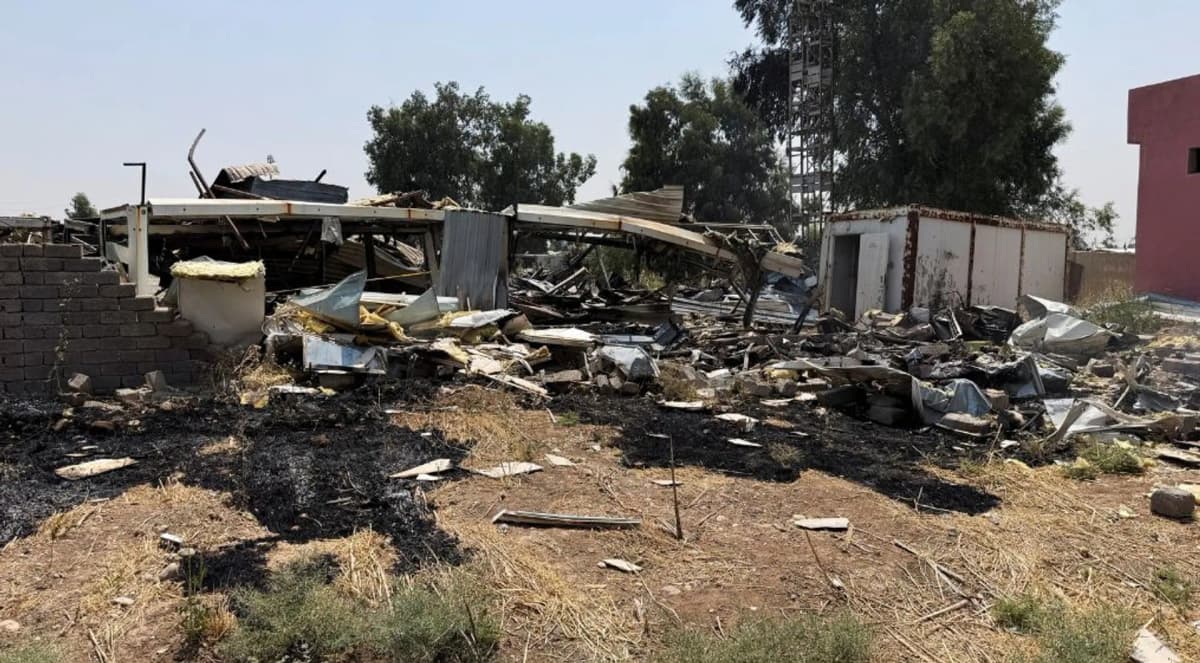
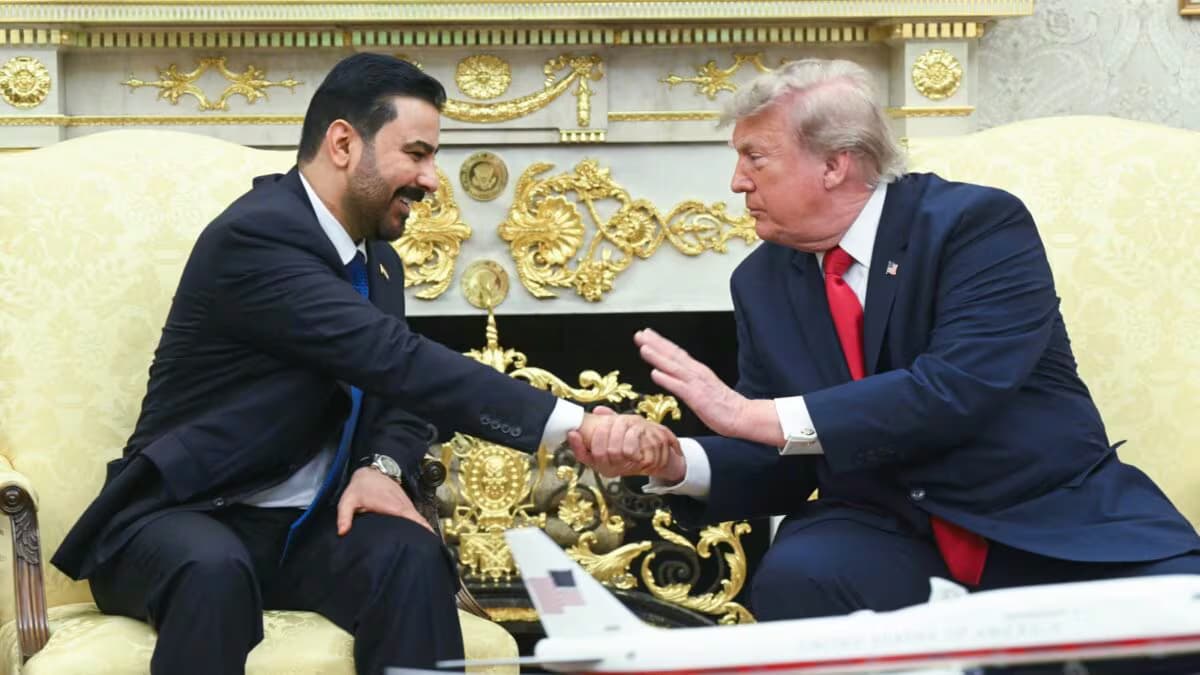
On Thursday, the Iraqi government firmly rejected allegations that it had sanctioned the recent US-Saudi airstrikes conducted on its soil. Officials emphasized that there was no coordination with Baghdad regarding these military actions aimed at Iran-aligned groups. The spokesperson for the Iraqi government, Haider al-Aboudi, made it clear that the administration was unaware of the operations and had not given any consent for such attacks to take place within its borders. Al-Aboudi's remarks were broadcast on state television, where he stated, “The government did not have any knowledge of the strikes and did not approve any attacks on specific sites or groups in Iraq.” This assertion directly counters claims made by US President Donald Trump, who, during an interview with Fox News, suggested that the strikes were executed in collaboration with the Iraqi authorities.
The controversy surrounding the airstrikes has raised questions about the dynamics of military cooperation in the region, particularly concerning the involvement of Iraq in operations against Iranian-backed factions. The Iraqi government has been navigating a complex relationship with both the United States and Iran, balancing its sovereignty with the influence of foreign powers. Trump's comments, which implied a level of agreement between the US-Saudi coalition and Iraq, have sparked significant backlash from Iraqi officials, who are keen to assert their independence and control over national security matters. The insistence on a lack of prior knowledge about the strikes underscores Iraq's position on maintaining its territorial integrity and sovereignty in the face of external military actions.