







Bombay High Court Establishes Special Courts for Exam Misconduct Cases

On july 24, the bombay high court took a significant step in addressing examination-related misconduct by designating two special courts in maharashtra. these c
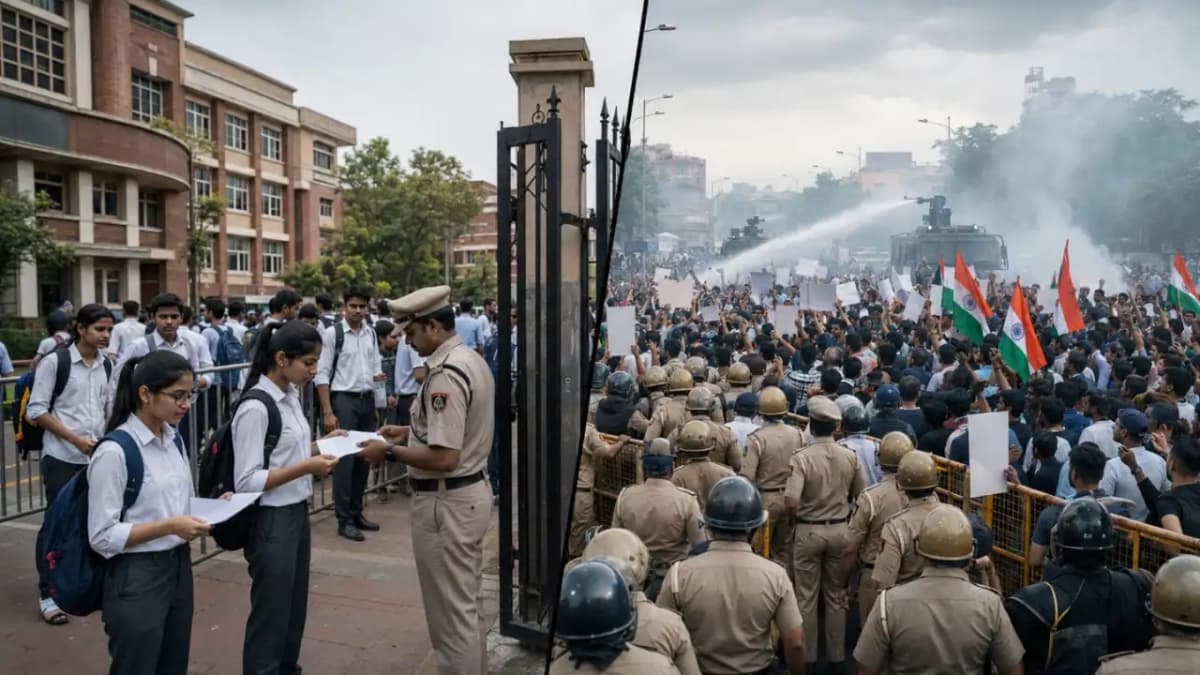
On July 24, the Bombay High Court took a significant step in addressing examination-related misconduct by designating two special courts in Maharashtra. These courts, located in Nagpur and Chhatrapati Sambhajinagar, will specifically handle cases of malpractice associated with public examinations, including the National Eligibility-cum-Entrance Test (NEET). This initiative comes in response to the central government's recent decision to establish fast-track courts aimed at expediting the judicial process surrounding examination irregularities. The move is particularly timely, given the ongoing protests at Jantar Mantar in Delhi, where students and activists are voicing their concerns over the integrity of the examination system and demanding accountability from the authorities. The protests have intensified following allegations of widespread malpractices, including a recent leak of the NEET UG 2026 exam paper, which has further fueled public outrage and calls for reform.
In a statement reflecting the urgency of the situation, Prime Minister Narendra Modi emphasized the importance of safeguarding the future of the youth, stating, "Nothing is more important than the welfare and future of our youth!" He underscored the government's commitment to ensuring swift justice for those implicated in examination fraud. The Prime Minister's remarks were part of an official communication that outlined the government's directive to implement stringent measures against individuals involved in such unethical practices. The establishment of these special courts is a direct response to the Centre's call for enhanced legal frameworks to protect students and maintain the integrity of public examinations. The courts will operate under the provisions of the Public Examinations (Prevention of Unfair Means) Act and the Bharatiya Nyaya Sanhita (BNS), which mandate that trials for these offenses must be concluded within a three-month timeframe.