









Indian Government Greenlights 13 AI Projects to Combat Deepfakes
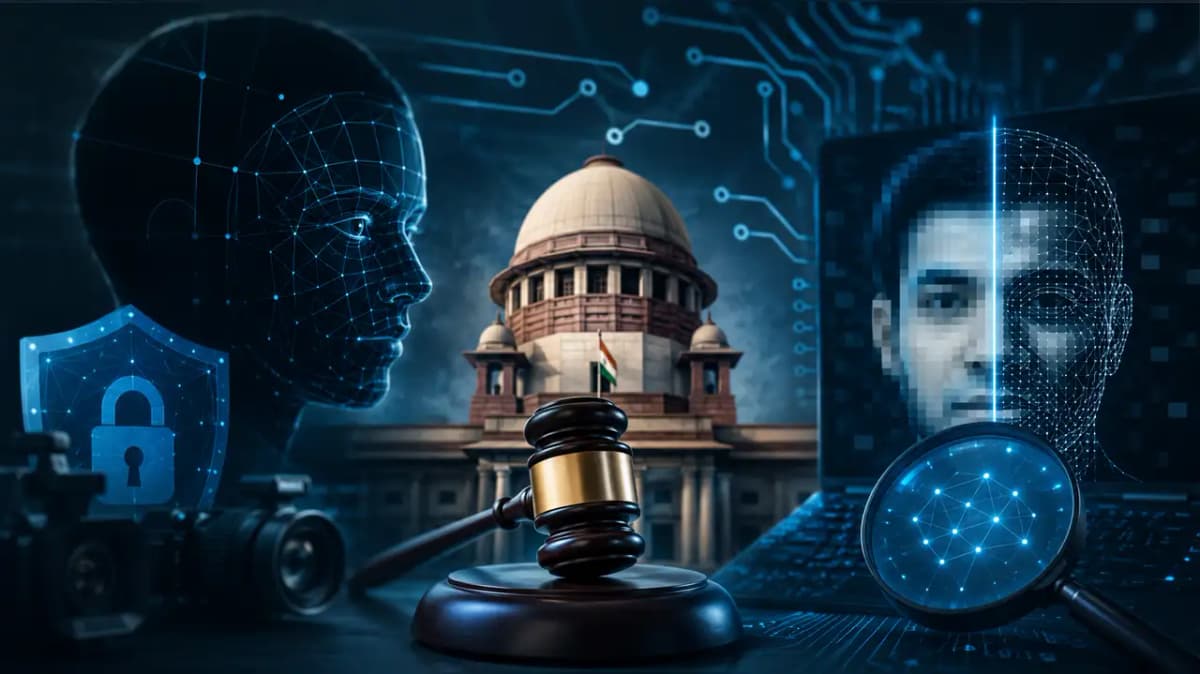
In a significant move to combat the rising threat of ai-generated deepfakes and harmful synthetic content, the indian government has officially approved 13 inno
In a significant move to combat the rising threat of AI-generated deepfakes and harmful synthetic content, the Indian government has officially approved 13 innovative projects under its 'Responsible AI' initiative. These projects are primarily focused on developing advanced technologies to detect deepfakes, which have become increasingly prevalent in today's digital landscape. The announcement was made by Jitin Prasada, the Union Minister of State for Electronics and Information Technology, during a session in the Lok Sabha. He highlighted the alarming ease with which artificial intelligence can now create deceptive videos, images, and audio, which are often exploited for scams, impersonation, misinformation, and various cybercrimes. To effectively counter these emerging threats, the government has taken proactive steps to enhance existing regulations, specifically amending the Information Technology (Intermediary Guidelines and Digital Media Ethics Code) Rules, 2021, to ensure a more robust framework for online safety.
One of the most notable amendments is the reduction of the takedown deadline for unlawful AI-generated content from 36 hours to a mere three hours upon receiving a valid order from the government or a court. This swift action is aimed at curbing the rapid spread of misleading content across social media platforms. Additionally, the revised rules mandate that online platforms, including major players like Meta and X, must expedite their responses to user complaints, particularly in sensitive cases involving nudity, impersonation, and other harmful materials. Furthermore, intermediaries are now required to clearly label AI-generated content and maintain traceable metadata, which will aid users in distinguishing between authentic and synthetic media. These measures are designed to empower users and mitigate the risks associated with deepfakes, thereby fostering a safer online environment.