









Exploring India's Educational Reforms: The Role of Expert Committees

The indian government's recent initiative to form a high-level committee led by nandan nilekani aims to revamp the country's examination and assessment framewor
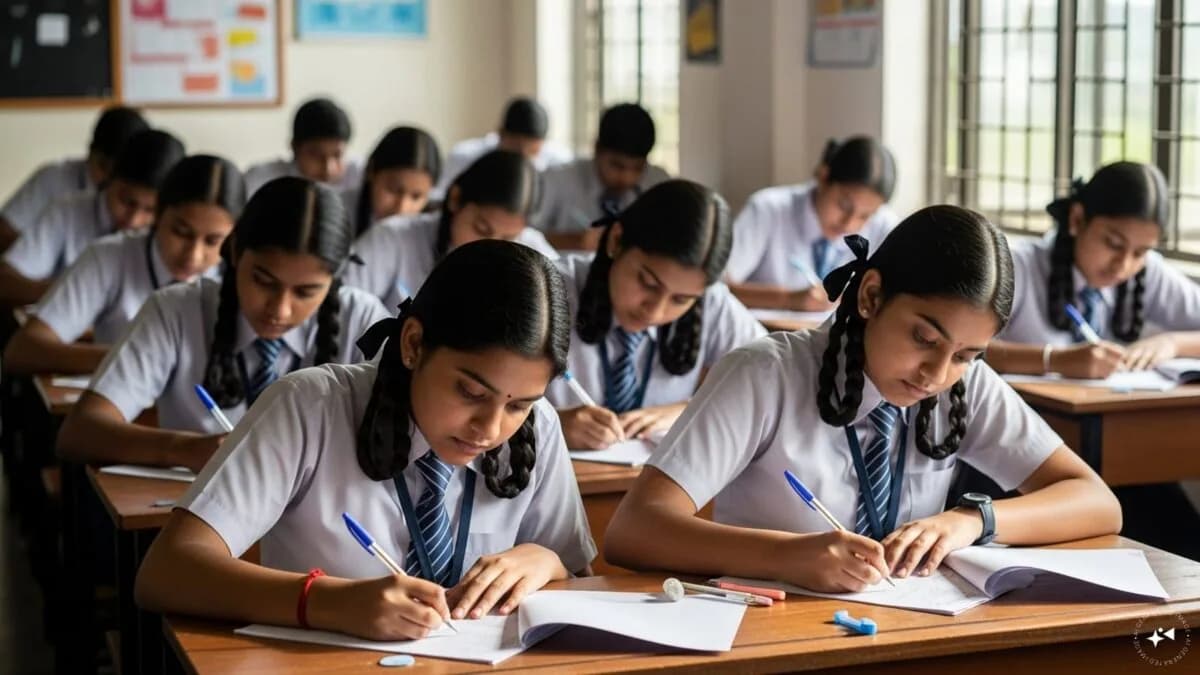
The Indian government's recent initiative to form a high-level committee led by Nandan Nilekani aims to revamp the country's examination and assessment framework, marking yet another chapter in the ongoing saga of educational reform in India. Historically, when faced with significant challenges in the education sector—ranging from inadequate university systems and rote learning practices to unequal access and outdated educational structures—Indian policymakers have often sought guidance from a diverse array of experts. This includes not only politicians but also scientists, scholars, and technocrats, all of whom have contributed to shaping the educational landscape over the decades.
The establishment of the Nilekani committee comes at a critical juncture, as public examinations and recruitment tests are under heightened scrutiny. This initiative is part of a long-standing tradition of expert-led reform efforts that have been initiated since the early years of independent India. Notable commissions, such as those led by Dr. S. Radhakrishnan in 1948 and Dr. K. Kasturirangan in 2019, have proposed transformative changes in the educational framework. These changes include the introduction of the 10+2+3 structure, the promotion of science education, the push for university autonomy, and the implementation of activity-based learning methodologies. More recently, the National Education Policy (NEP) 2020 introduced the 5+3+3+4 structure, reflecting the ongoing evolution of educational strategies in response to contemporary needs.