










Discovering Lycodon Irwini: The Unique Wolf Snake of Great Nicobar Island
In the realm of biodiversity, the great nicobar island stands out as a unique ecological treasure, home to a newly identified species of wolf snake, lycodon irw
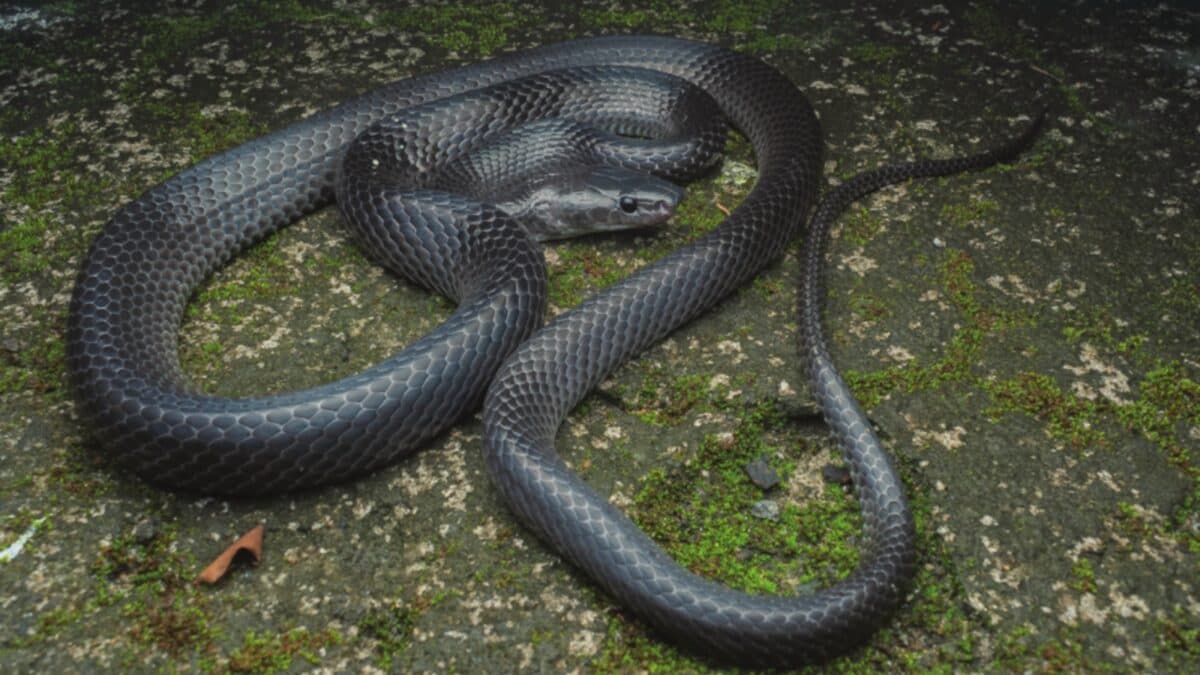
In the realm of biodiversity, the Great Nicobar Island stands out as a unique ecological treasure, home to a newly identified species of wolf snake, Lycodon irwini. This remarkable discovery was made by a team of herpetologists, including R. S. Naveen and Zeeshan A. Mirza from the Max Planck Institute for Biology, alongside Girish Choure and S. R. Chandramouli from Pondicherry University. Their findings were published in the peer-reviewed journal Evolutionary Systematics on November 7, 2025. The snake, which pays homage to the late Australian conservationist Steve Irwin, is a non-venomous creature that can grow up to 1.2 meters in length and is characterized by its striking glossy black coloration, reminiscent of polished obsidian. This species had previously gone unrecognized for over two centuries, having been mistaken for a relative found thousands of kilometers away in Southeast Asia. The researchers emphasized that discovering an endemic species like this wolf snake is just the beginning of uncovering the rich biodiversity that Great Nicobar Island has to offer.
The Lycodon irwini is not just another snake; it represents a significant addition to the biodiversity of the Nicobar Archipelago, which is already known for its unique flora and fauna. The snake's discovery highlights the importance of conservation efforts in this region, especially given that it is classified as endangered. The authors of the study noted that the species is only found on Great Nicobar Island, which is situated approximately 190 kilometers north of Sumatra and about 1,300 kilometers southeast of the Indian mainland. The holotype, or the specimen used to describe the species, was collected from a moist evergreen forest near Galathea Bay, within the boundaries of the Great Nicobar Biosphere Reserve. This reserve, designated by UNESCO in 2013, encompasses around 103,870 hectares and is home to a diverse range of wildlife, including the Nicobar scrubfowl and giant leatherback sea turtles. The unique ecological characteristics of the island make it a vital area for conservation, and the discovery of Lycodon irwini underscores the need for continued research and protection of its habitats.