







If your ceiling fan has started to operate at a reduced speed, it may not necessarily mean that it needs to be replaced. there are several factors that can cont
If your ceiling fan has started to operate at a reduced speed, it may not necessarily mean that it needs to be replaced. There are several factors that can contribute to this issue, ranging from simple maintenance problems like dust accumulation to more complex electrical failures involving components such as capacitors, regulators, bearings, or the motor itself. Understanding these potential causes can help you identify the problem and determine the best course of action to restore your fan's functionality.
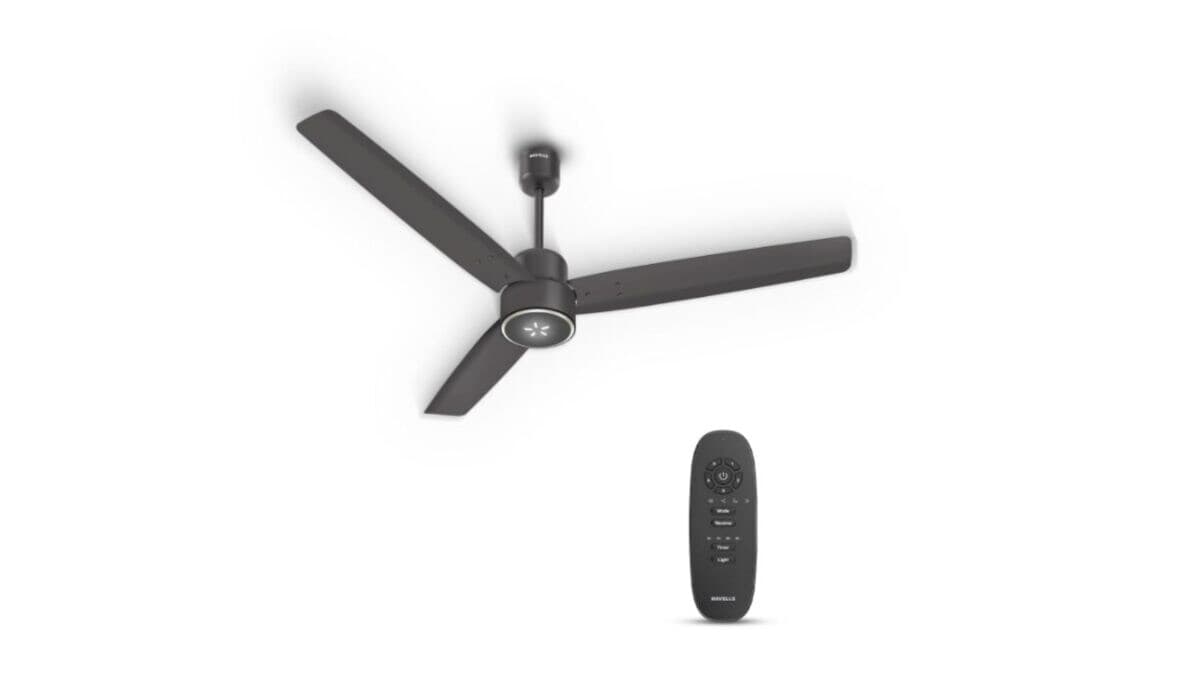
Before you begin any inspection or maintenance on your ceiling fan, it is crucial to ensure safety first. Start by turning off the fan and disconnecting it from the main power supply to avoid any electrical hazards. It is important not to touch any wiring or open the motor housing while the power is still connected. Once you have ensured that the fan is safely powered down, set it to its highest speed and test the wall regulator to see if it makes a difference. If the fan continues to operate at a single speed, the wall regulator may be malfunctioning and might need replacement. For fans that are operated via remote control, check the batteries in the remote and ensure that settings like Sleep, Timer, or low-speed mode have not been inadvertently activated. Sometimes, simply turning the fan off at the wall for a few minutes can reset it and restore normal operation.

Another common issue that can lead to reduced airflow from your ceiling fan is the accumulation of dust on the blades. A significant build-up of dust can add weight to the blades, which in turn affects their ability to move air efficiently. To clean the blades, turn off the power, wait for them to come to a complete stop, and then wipe them down with a soft, slightly damp cloth while using a sturdy ladder for support. Additionally, inspect the blades to ensure they are not bent or misaligned, as uneven blades can cause wobbling, noise, and inadequate air delivery. If you notice any damage, it is advisable to consult a technician for inspection or replacement. For traditional induction ceiling fans, a weak capacitor can also be a culprit, as it helps the motor start and maintain speed. If the capacitor is failing, the fan may struggle to reach its intended speed or may even require a manual push to start. Replacing a capacitor involves working with electrical wiring and should only be performed by a qualified electrician to prevent further damage. In contrast, BLDC fans operate differently and may face speed issues related to their electronic motor controllers or power supply. If you hear grinding noises, notice stiffness, overheating, or detect a burning smell, these could be signs of worn bearings, loose wiring, or motor damage. In such cases, it is essential to turn off the fan immediately and call an electrician for assistance, as attempting to repair it yourself could lead to further complications.
Tragic Accident in Telangana: Man Killed by Speeding Car Captured on CCTV
The Rise of 'Pitch-A-Friend': A New Way to Find Love in 2026
Kerala Schools and Colleges Closed Due to Heavy Rain Alerts
Top Handheld Garment Steamers Under Rs 1,800 for Travel and Home
Employee Questions Manager's Use of Office Resources for Personal Social Media
Security Guard Showcases Affordable Company Meal for Just Rs 10
Barack Obama's 2026 Summer Reading List Explores Family and Power Dynamics
The Great Molasses Flood: A Sticky Disaster in Boston's History
Gurgaon Woman Charges Husband for Home-Cooked Meals, Sparks Debate
Dramatic Rescue as JCB Swept Away by Floodwaters in Odisha
Ahmedabad Faces Red Alert as IMD Predicts Heavy Rainfall Until August 2