




E20 Petrol May Affect Rubber Parts in Older Vehicles, Says Nitin Gadkari
The indian government has recently issued a statement regarding the use of e20 petrol in older bs-iii vehicles, indicating that certain rubber components and ga
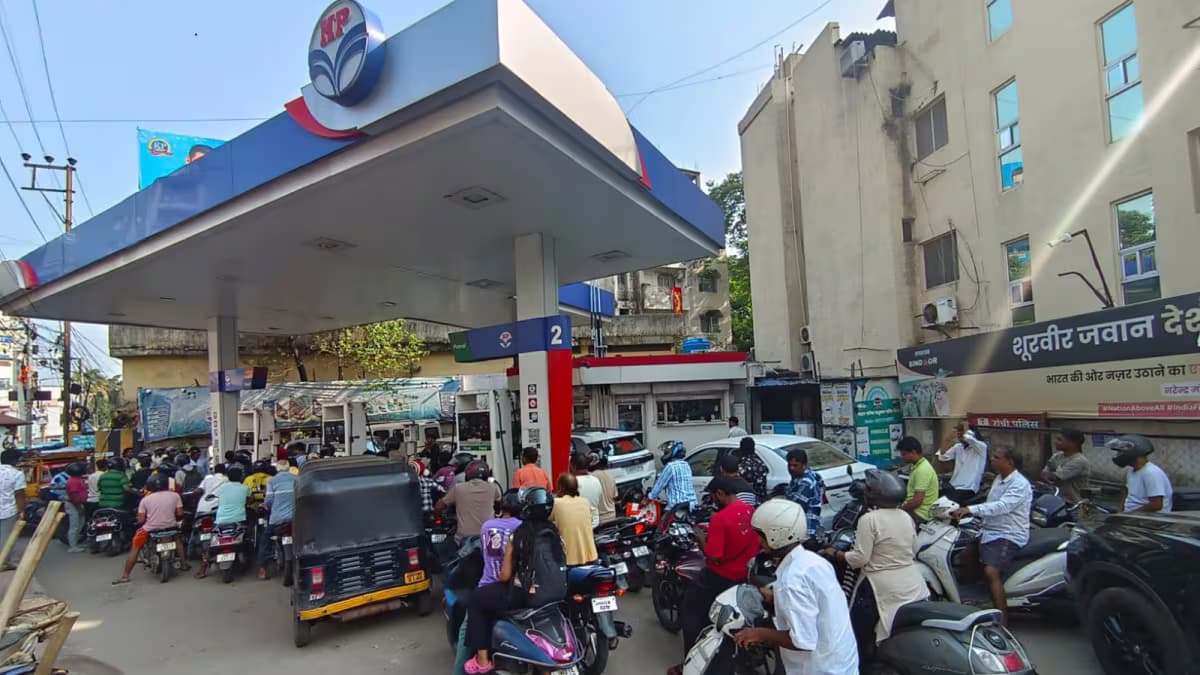
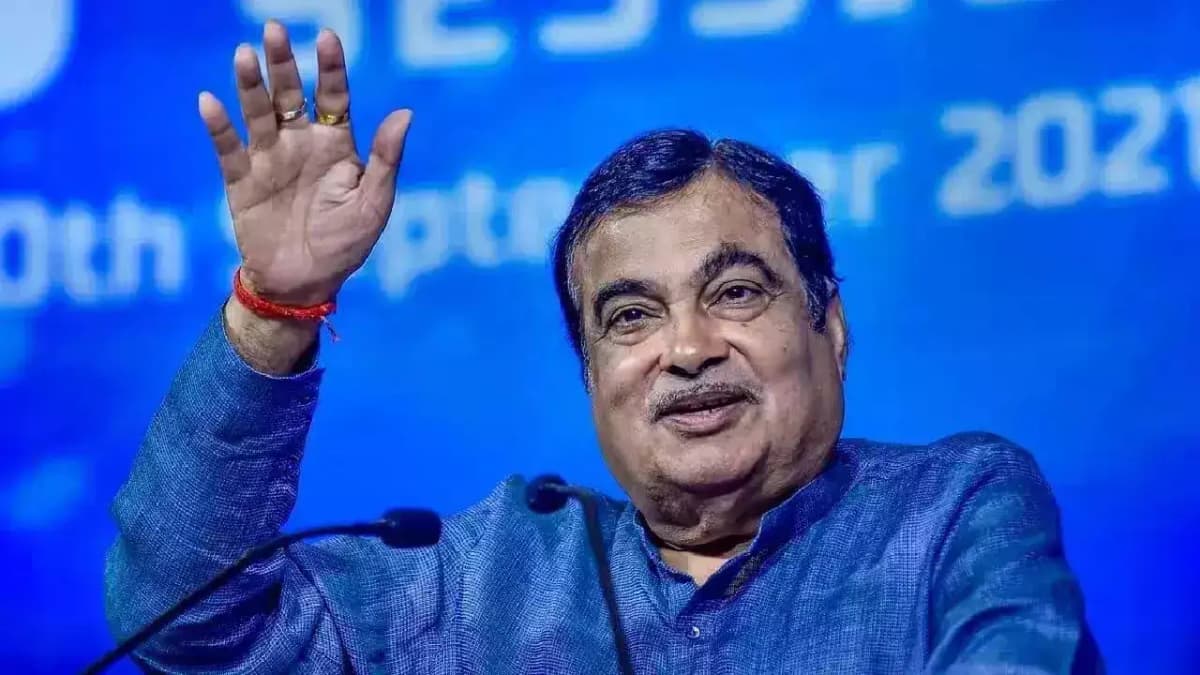
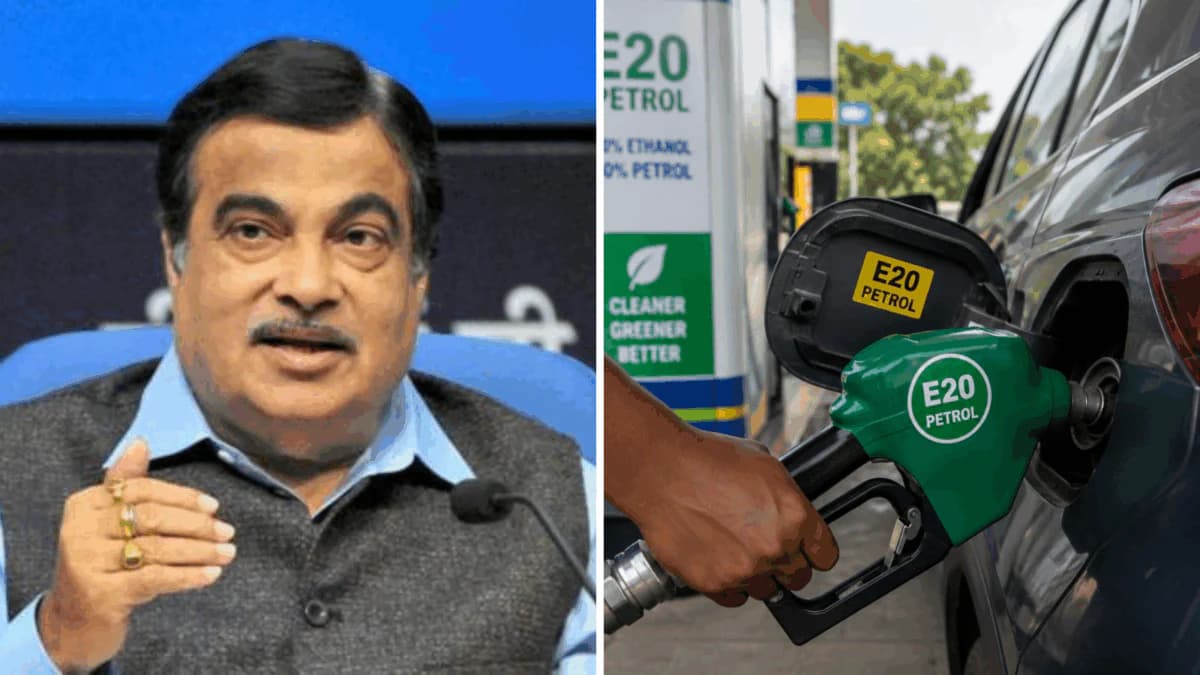
The Indian government has recently issued a statement regarding the use of E20 petrol in older BS-III vehicles, indicating that certain rubber components and gaskets may require replacement when these vehicles operate on the new fuel blend. Union Minister for Road Transport and Highways, Nitin Gadkari, addressed this issue in the Rajya Sabha in response to a query from CPI MP A A Rahim. The minister emphasized that while the E20 fuel does not significantly impact the overall performance of vehicles or necessitate engine modifications, there are specific considerations for older models manufactured prior to 2016. Reports from various organizations, including the Indian Oil Corporation Limited (IOCL) and the Automotive Research Association of India (ARAI), have been instrumental in assessing the effects of E20 on both two-wheelers and four-wheelers.
Gadkari highlighted that studies conducted on BS-VI vehicles demonstrated compliance with emission standards even when tested with E20 fuel. The findings suggested that the engines of cars and two-wheelers do not require any alterations to function effectively with this ethanol-blended fuel. The minister reassured that the performance of legacy vehicles has not shown any significant deterioration, nor have they experienced abnormal wear and tear when using E20. Parameters such as drivability, startability, and compatibility with metals and plastics remained unaffected, according to the studies. However, it was noted that for older BS-III vehicles, introduced from April 1, 2005, and manufactured before 2016, there is a possibility that some rubber parts may need to be replaced, which can be managed during routine vehicle servicing.