







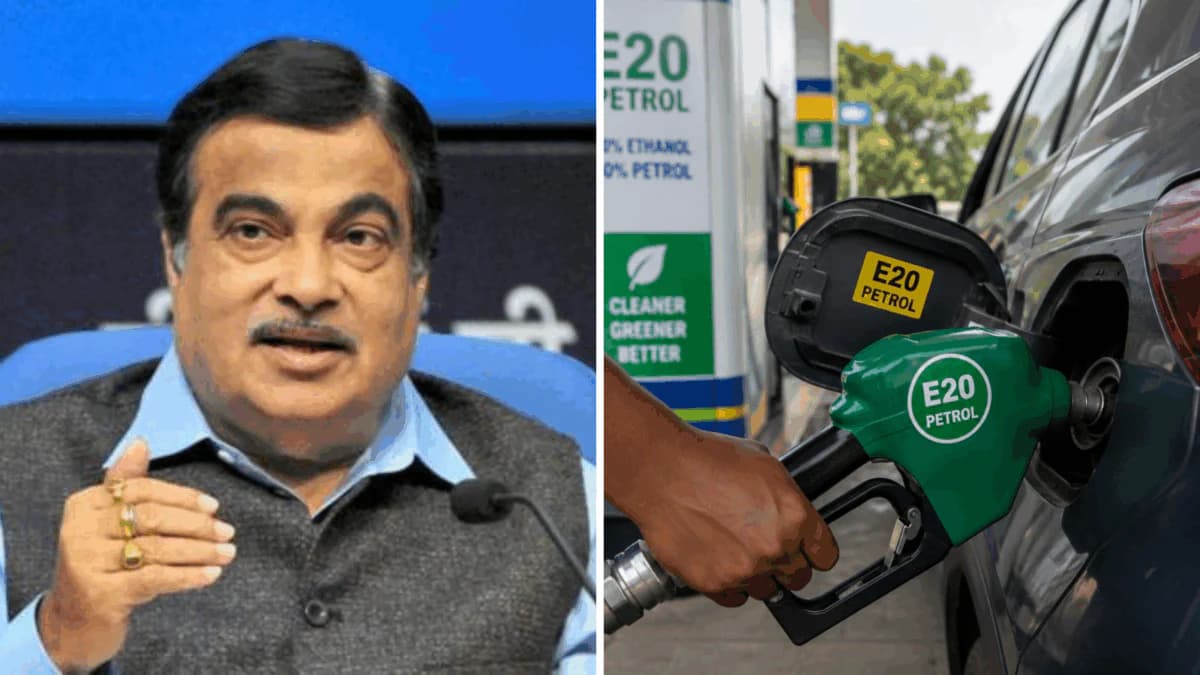
Government Addresses E20 Petrol Concerns Over Mileage and Engine Issues
In response to growing public apprehension regarding the new e20 petrol, the government has clarified that the introduction of this fuel was executed in a syste
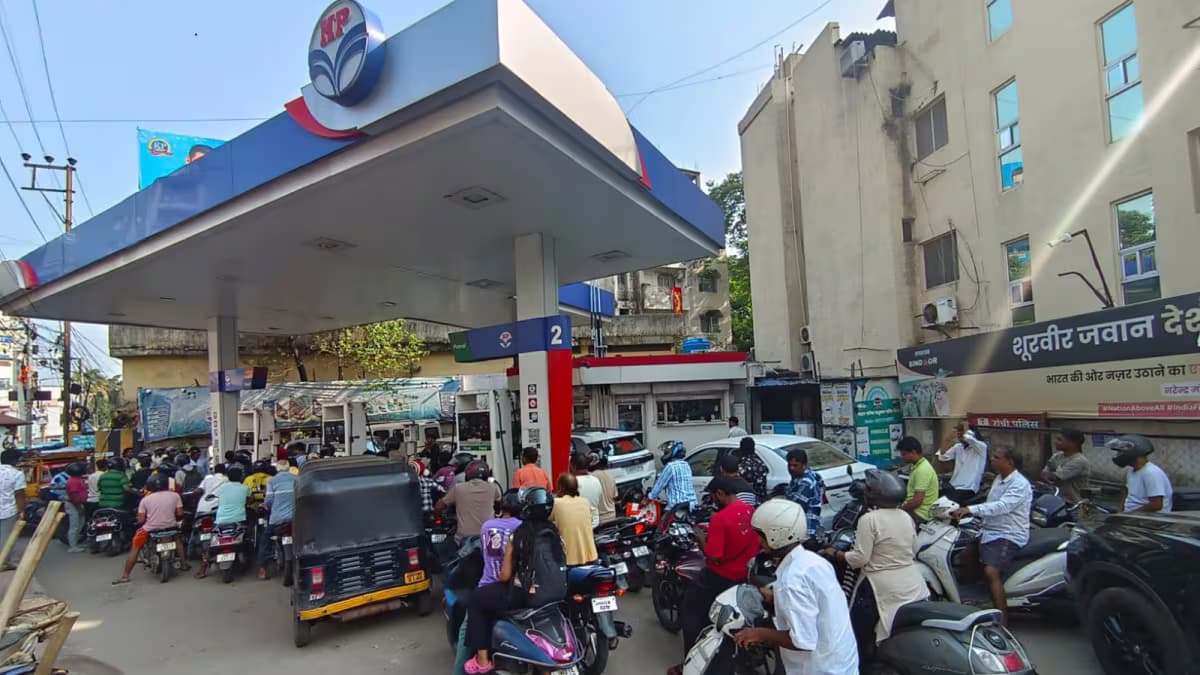
In response to growing public apprehension regarding the new E20 petrol, the government has clarified that the introduction of this fuel was executed in a systematic and scientifically backed manner, following extensive consultations and tests involving various stakeholders. Officials emphasized that thorough studies have indicated no adverse effects on vehicle performance or engine longevity, effectively countering claims that ethanol-blended fuel could lead to significant engine issues or decreased fuel efficiency. The phased rollout of E20 petrol was designed to ensure compliance with stringent environmental standards, and the government remains steadfast in its position that the fuel is safe for use across a wide range of vehicles.
The government referenced collaborative research conducted by several reputable organizations, including the Indian Oil Corporation Limited (IOCL), the Indian Institute of Petroleum (IIP) in Dehradun, the Society of Indian Automobile Manufacturers (SIAM), and the Automotive Research Association of India (ARAI). These studies confirmed that E20 petrol meets the BS-VI emission regulations, which are crucial for reducing vehicular pollution. Furthermore, the findings revealed that most two-wheelers and four-wheelers do not require any modifications to accommodate E20 fuel. While the government acknowledged that some older BS-III vehicles manufactured prior to 2016 might need certain rubber components and gaskets replaced during regular maintenance, it reassured the public that this was a minor concern compared to the overall compatibility of E20 with the existing vehicle fleet.