







Impact of New US Tariffs on India-US Trade Deal Discussed by Piyush Goyal
On wednesday, piyush goyal, india's minister of commerce and industry, addressed the media regarding the anticipated india-us bilateral trade agreement (bta), i
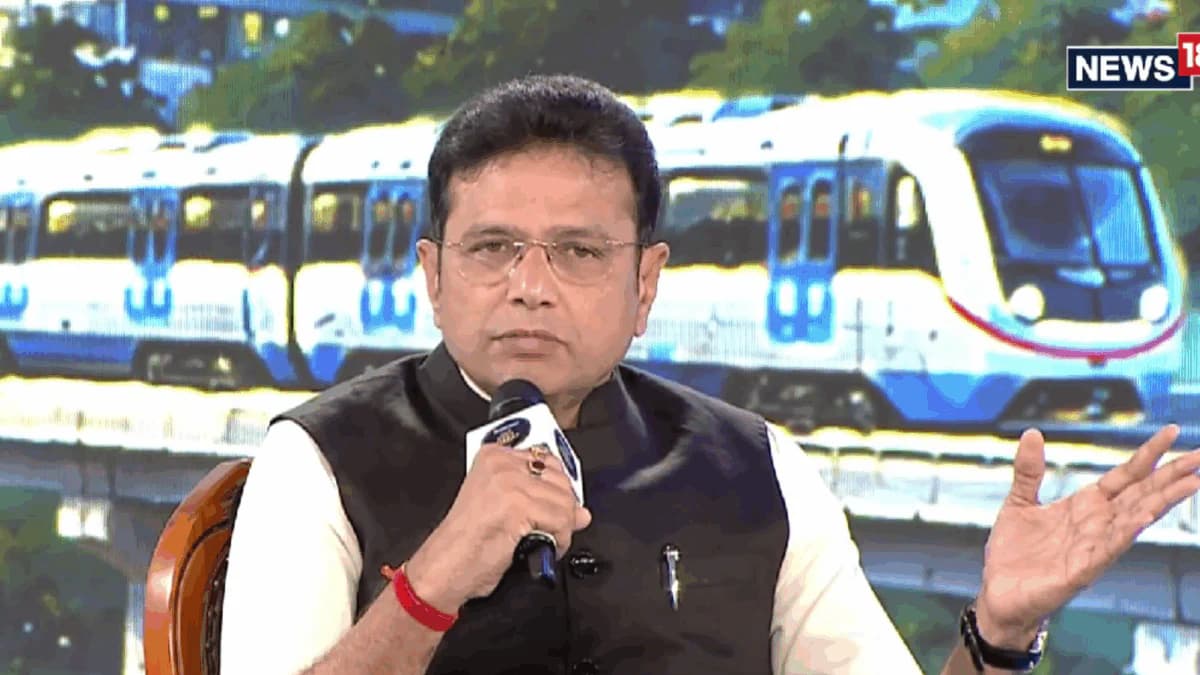
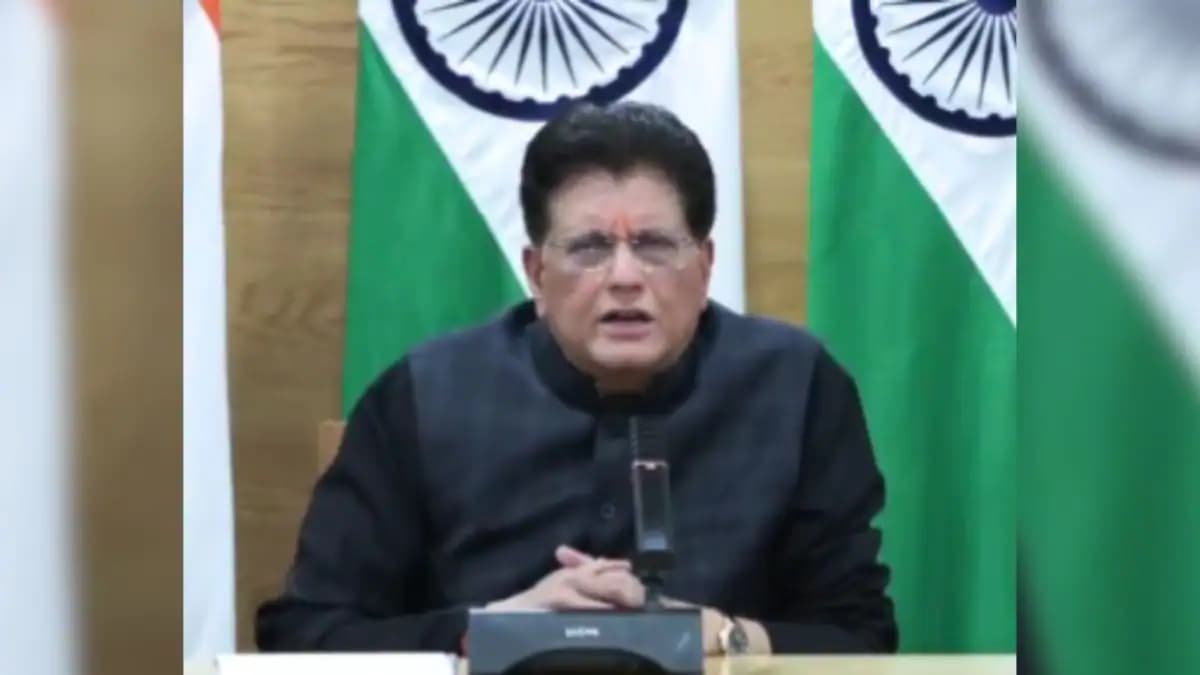
On Wednesday, Piyush Goyal, India's Minister of Commerce and Industry, addressed the media regarding the anticipated India-US Bilateral Trade Agreement (BTA), indicating that the initial phase is poised for implementation, contingent upon the United States ensuring that India maintains a competitive edge over its rivals. His comments come in the wake of the US Senate's progression of a bipartisan sanctions bill aimed at curtailing Russia's energy revenue, which includes provisions that could lead to significant tariffs on imports from nations that persist in purchasing Russian oil and gas, with India being a notable example. Goyal emphasized that the groundwork for the first tranche of the BTA has been laid, and it will be activated as soon as the US can guarantee that India enjoys a favorable position compared to other countries in the region, particularly those in close proximity and within the ASEAN bloc. He stated, “The first tranche of the bilateral trade agreement, which was announced by our leaders on February 3, is ready to be implemented as soon as we receive the necessary assurances from the United States.” This statement underscores the importance of ensuring that India can effectively compete in the global market, especially in light of the evolving geopolitical landscape.
The recent actions by the US Senate, which voted overwhelmingly to advance the sanctions bill with an 86-12 majority, reflect a growing consensus on the need to apply economic pressure on Russia. The proposed legislation, while still undergoing further scrutiny, would grant the US President the authority to impose tariffs of up to 100% on goods imported from nations that continue to engage in the purchase of Russian energy resources. This move is part of a broader strategy to diminish Russia's financial capacity to sustain its military operations in Ukraine, which has been ongoing for nearly five years. Goyal's remarks highlight the potential implications of these sanctions for India, which has emerged as a significant buyer of discounted Russian crude oil since the onset of the conflict. The bill's focus on India and China as major consumers of Russian energy raises concerns about the potential for tariffs that could disrupt existing trade dynamics.