







Japan is set to receive its first shipment of canadian crude oil since 2025, marking a significant shift in its energy sourcing strategy. this delivery, facilit
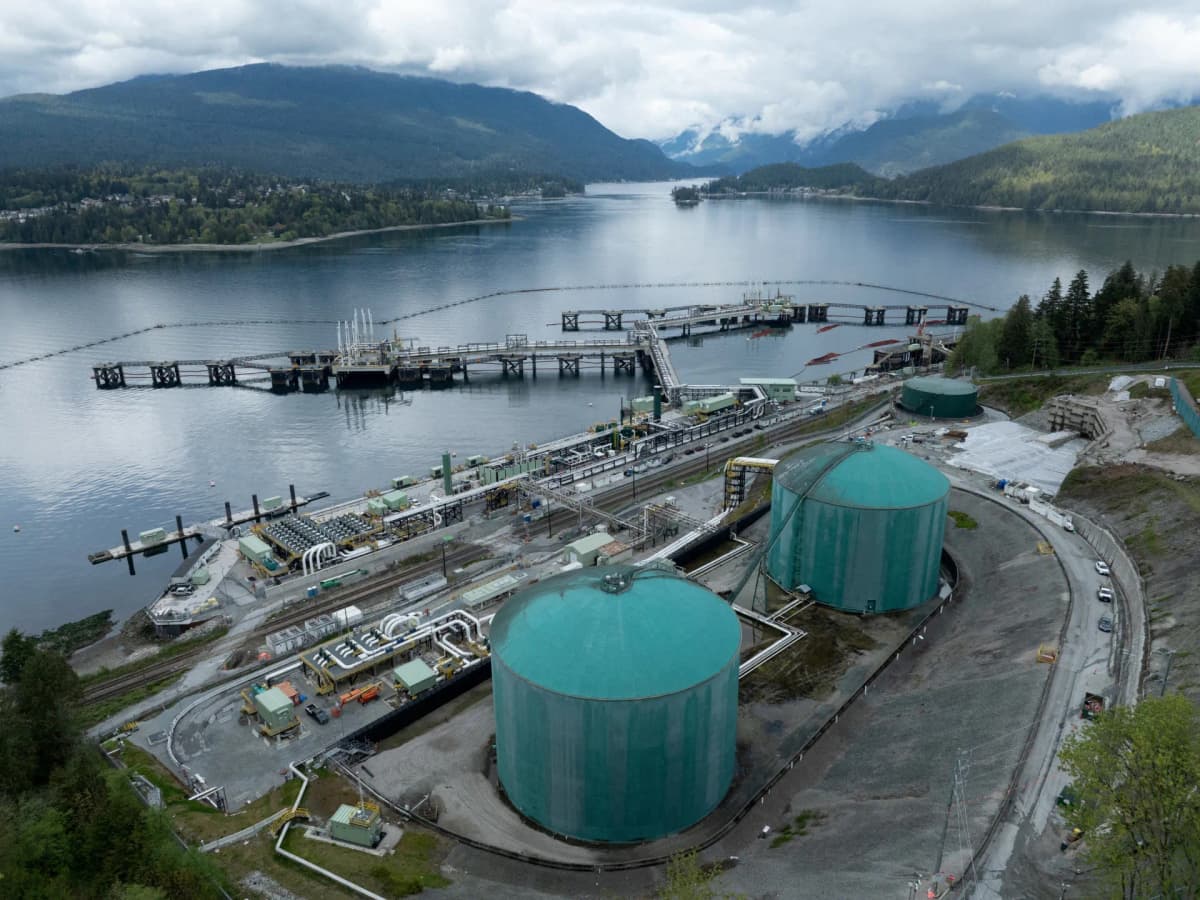
Japan is set to receive its first shipment of Canadian crude oil since 2025, marking a significant shift in its energy sourcing strategy. This delivery, facilitated by Exxon Mobil, is aboard the Freedom Glory, a vessel registered under the Marshall Islands flag, capable of transporting up to 750,000 barrels of crude oil. The ship departed from Vancouver on Wednesday, carrying crude sourced from the Trans Mountain pipeline (TMX). Notably, this shipment has been acquired by Eneos, Japan's leading oil refiner, as the country seeks to secure alternative energy supplies in light of recent geopolitical tensions.
The urgency for Japan to diversify its oil suppliers has intensified following the outbreak of conflict in the Middle East, particularly after the US and Israel initiated military actions against Iran in February. Prior to this, Japan relied heavily on the Strait of Hormuz for over 90 percent of its oil imports. However, the ongoing conflict has severely disrupted oil shipments through this critical passage, prompting Japan and other Asian nations to explore new avenues for energy procurement. In a recent adjustment to its economic outlook, Tokyo revised its growth forecast for the year down to 0.9 percent from an earlier estimate of 1.3 percent, attributing this change to escalating oil prices.

The Trans Mountain pipeline plays a pivotal role in Canada's oil export strategy, transporting up to 890,000 barrels of crude daily from Alberta to Burnaby, British Columbia. Currently, the pipeline operates at nearly 90 percent capacity, reflecting its importance in meeting international demand. In 2023, nearly 77 percent of oil exports from Vancouver were directed to Asia, a notable increase from approximately 51 percent in 2024. Countries such as India, Malaysia, and Singapore have resumed purchasing crude via TMX since the onset of the conflict in Iran, while Canadian oil now constitutes around 60 percent of crude oil imports into the United States, according to the US Energy Information Administration. Amid these developments, Canadian Prime Minister Mark Carney has emphasized that Canada will not leverage its oil resources in negotiations with the United States, despite recent tariff announcements from the Trump administration. Carney reassured that Canada remains a reliable supplier of essential commodities, highlighting the importance of maintaining trust in international energy markets.
Tragic Accident in Telangana: Man Killed by Speeding Car Captured on CCTV
Vedanta's Real Estate Demerger: Shareholder Benefits and Future Plans
Saudi Arabia's Economy Contracts 4.8% Amid Ongoing Regional Tensions
Foreigner Alleges Zomato Support Executive Misused Personal Contact Info
E20 Fuel Proven Safe for Over 230 Million Vehicles, Government Reports
Vedanta Reports 72% Surge in Q1 FY27 Net Profit to Rs 5,473 Crore
CBDT Launches New ITR Form for Block Assessment Taxpayers
Bengaluru Enforces Water Conservation Measures Amid Shortage
Bengaluru Faces 15-Hour Water Supply Disruption Tomorrow
Indian Stock Market Rises Despite Global Concerns; Sensex Gains 274 Points
India's Gold Demand Declines 6% in Q2 2026 Amid High Prices