








South Korea's Stock Market Faces Significant Decline Amid AI Investment Retreat
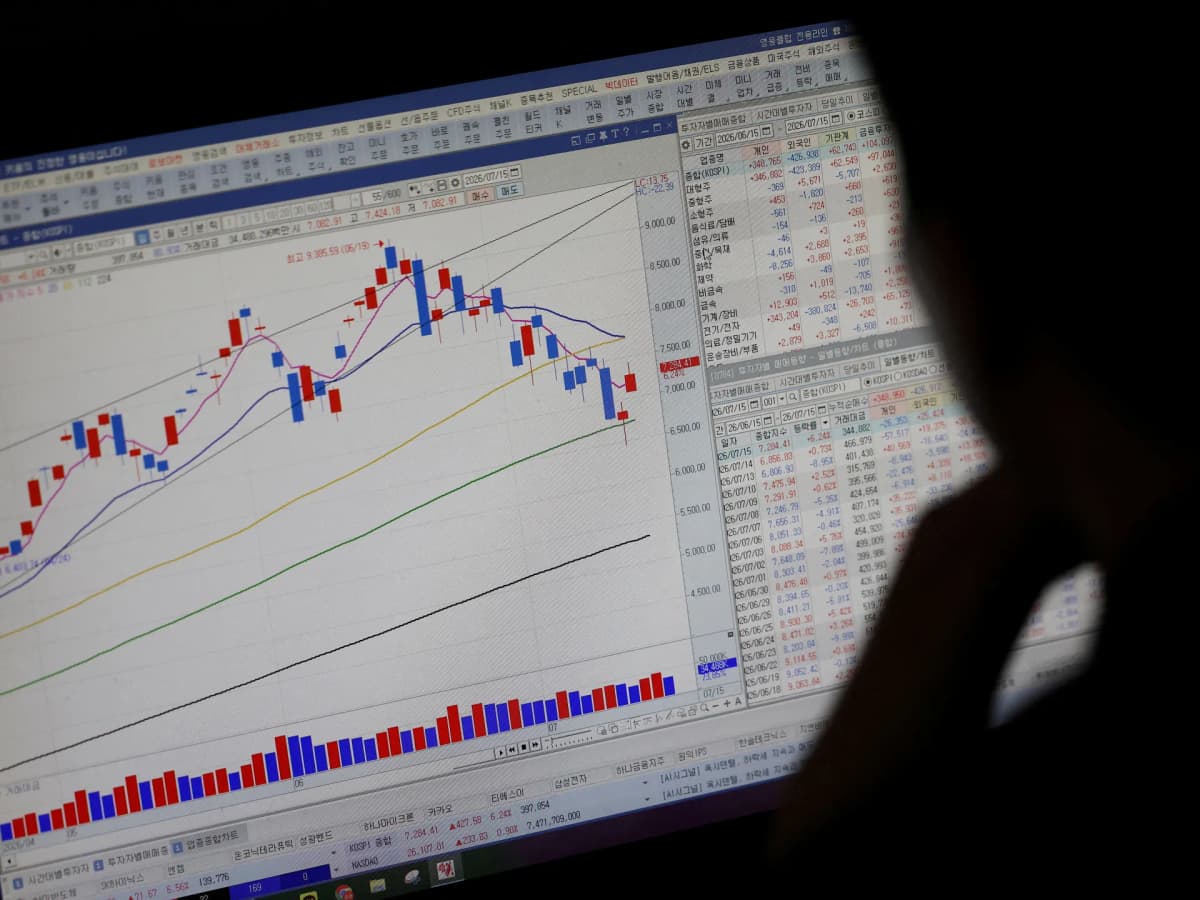
The south korean stock market has experienced a notable downturn for the second consecutive day, resulting in a staggering loss of approximately $2.18 trillion
The South Korean stock market has experienced a notable downturn for the second consecutive day, resulting in a staggering loss of approximately $2.18 trillion in market capitalization. This decline, which began on Tuesday, has continued into Wednesday, positioning the market for what could become its most significant monthly drop in history. Investors are grappling with substantial losses as the market reacts to diminishing interest in technology stocks, particularly those in the semiconductor sector, which had previously thrived due to robust investments in artificial intelligence. Frank Benzimra, the head of Asia equity strategy at Societe Generale in Hong Kong, remarked on the situation, stating, "If you look at what is falling in the market, it has been the stocks in which you have the most leverage. It’s very difficult to say when will this selloff end, but at the moment, it’s definitely not the trade where we want to be." The benchmark KOSPI index witnessed a drastic drop of 12.6 percent at one point before recovering slightly to close down by 6 percent, following a nearly 11 percent plunge the previous day. This recent downturn has wiped out nearly 40 percent of the index's value from its peak, which was reached just over a month ago.
In light of the ongoing market turmoil, South Korean Finance Minister Koo Yun-cheol faced scrutiny from lawmakers during a parliamentary session, where he expressed regret over the introduction of single-stock leveraged exchange-traded funds (ETFs). He acknowledged that these financial instruments had not been adequately assessed before their implementation. Koo indicated that the government is actively reviewing measures aimed at stabilizing the market, including potential regulations on these leveraged funds, which some analysts believe have contributed to the heightened levels of leveraged trading in Seoul's financial landscape. In a meeting held late Wednesday, Koo, along with the governor of the Bank of Korea and other financial regulatory leaders, convened to address the crisis. This meeting followed their previous gathering on July 16, during which they had announced stricter regulations to temper the ETF investment surge.