








Exploring the Spiritual Journey of Ashadhi Wari 2026 in Maharashtra

Every year, during the sacred month of ashadh, maharashtra transforms into a vibrant hub of devotion as it hosts one of the largest and oldest walking pilgrimag
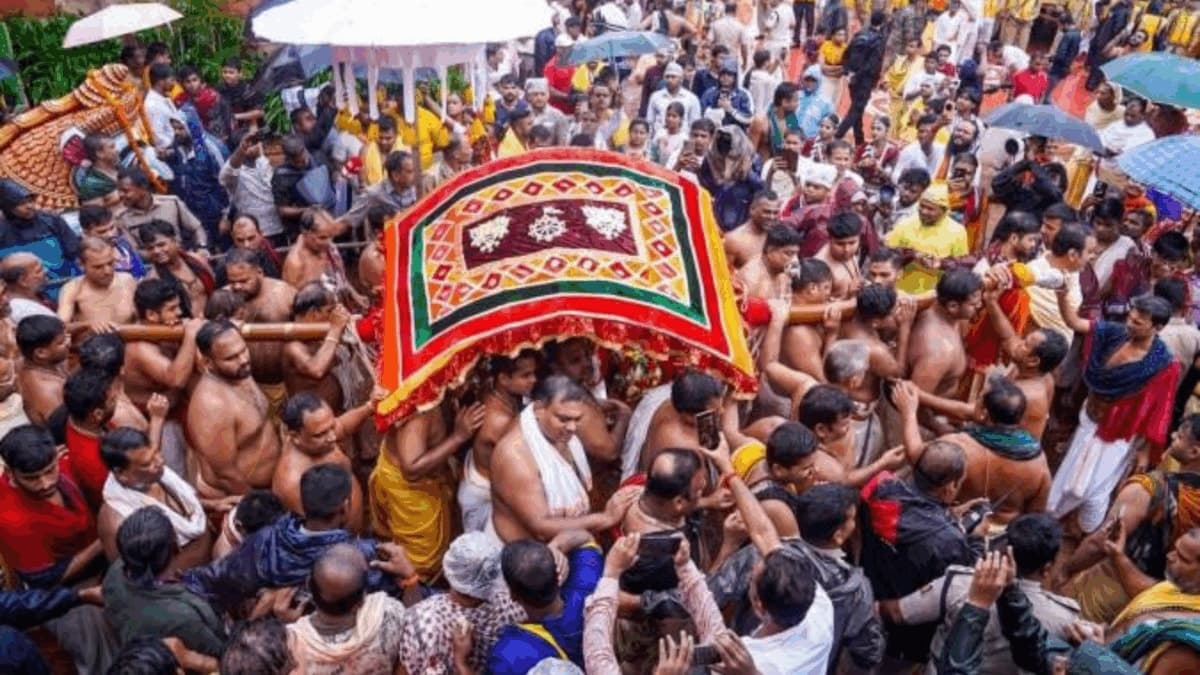
Every year, during the sacred month of Ashadh, Maharashtra transforms into a vibrant hub of devotion as it hosts one of the largest and oldest walking pilgrimages in the world, known as the Ashadhi Wari to Pandharpur. This year, countless Warkaris, or devotees, embark on this profound journey, carrying with them centuries of faith and tradition, as the roads connecting Alandi, Dehu, and Pandharpur morph into a living temple filled with spirituality and community. The pilgrimage is not just a physical journey; it is a deep-rooted expression of the cultural and religious identity of Maharashtra, often referred to as Santanchi Bhumi, the Land of Saints. This designation reflects the region's rich history, where poets, mystics, and social reformers have long preached messages of equality and devotion, fostering a sense of unity among diverse communities.
The day of the pilgrimage begins well before dawn, with the air still fresh from the previous night's rain, and the scent of marigolds wafting through the atmosphere. At around four in the morning, a single voice pierces the silence, calling out, “Dnyanoba Mauli Tukaram.” This call is met with a chorus of voices, as the Warkaris join in unison, marking the start of each day of the Wari. This powerful moment sets the tone for the day, as the pilgrims, dressed in white, begin their march behind the two main palkhis, or palanquins, dedicated to Sant Dnyaneshwar Maharaj and Sant Tukaram Maharaj. However, the pilgrimage extends beyond these two prominent processions, as numerous independent palkhi groups dedicated to various saints also make their way towards Pandharpur, creating a tapestry of faith that envelops the entire state.