

Mojtaba Khamenei's Nuclear Ambitions Differ from His Father's Approach
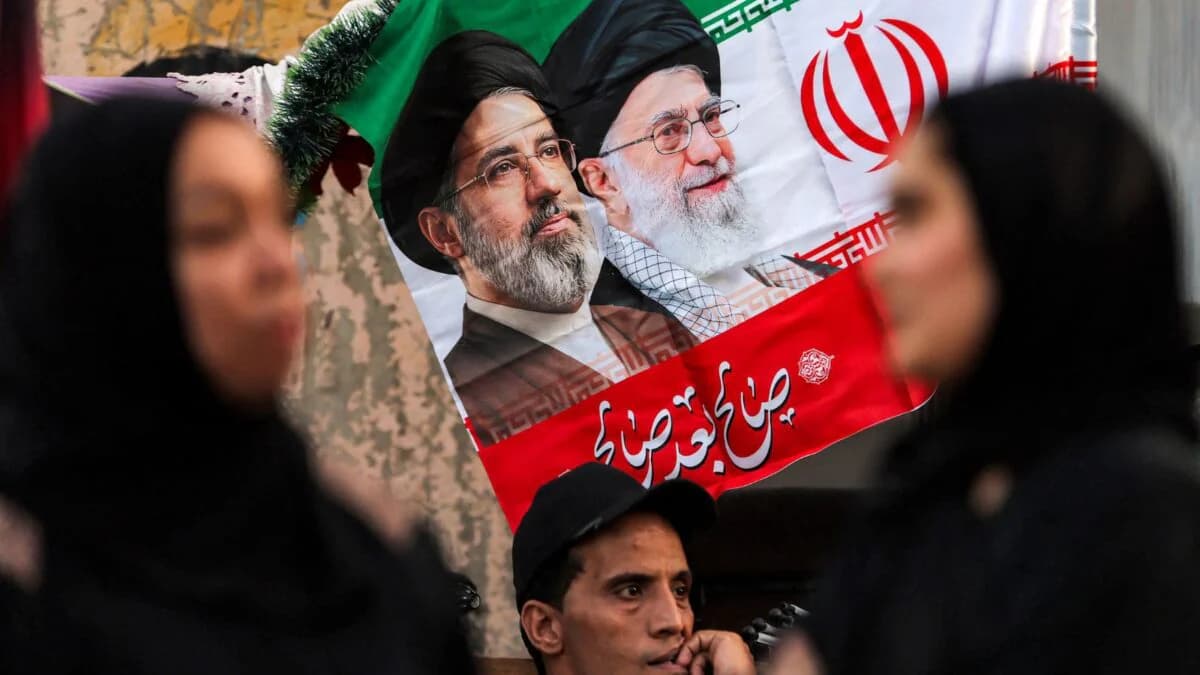
Ayatollah mojtaba khamenei, who has recently ascended to the role of supreme leader of iran, is perceived by u.s. intelligence as being significantly more eager
Ayatollah Mojtaba Khamenei, who has recently ascended to the role of Supreme Leader of Iran, is perceived by U.S. intelligence as being significantly more eager than his father, Ali Khamenei, to pursue the development of nuclear weapons. This assessment comes in the wake of a violent conflict that erupted following the assassination of Ali Khamenei during a coordinated U.S.-Israeli military operation on February 28. While the elder Khamenei had long been an advocate for nuclear armament, American officials noted that he exhibited a degree of caution regarding its actual development, as reported by the New York Times. In contrast, Mojtaba Khamenei, who has largely remained out of the public eye since the onset of the conflict, is believed to be more aligned with hardline factions within the Iranian government that have gained influence amid the turmoil, and they appear to be more committed to advancing Iran's nuclear capabilities.
The current Iranian administration has demonstrated a more confrontational stance towards the United States, complicating diplomatic negotiations and asserting tighter control over strategic waterways such as the Strait of Hormuz, a critical area for international shipping and military operations. The long-standing tension between Washington and Tehran over Iran's nuclear ambitions has intensified, particularly following the collapse of the 2015 nuclear agreement, which was established during Barack Obama's presidency. According to the New York Times, much of the intelligence regarding Mojtaba Khamenei's stance on nuclear weapons predates the recent military strikes. He sustained serious injuries in the attack that claimed his father's life, which has limited his public engagements and communications. Reports suggest that he may have suffered disfigurement, prompting him to avoid appearances in light of increased security risks.