









Addressing Youth Unemployment: The Need for Entrepreneurship in India
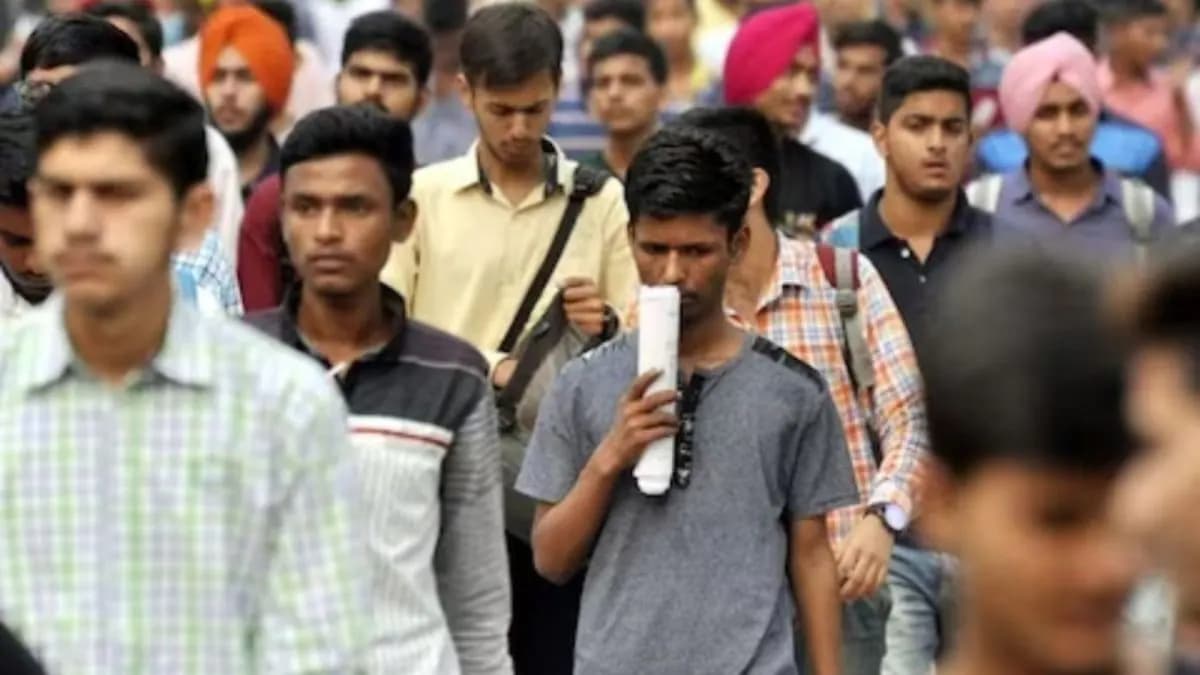
The recent protests led by gen z in india have highlighted a significant issue regarding youth unemployment, revealing that the removal of certain officials or
The recent protests led by Gen Z in India have highlighted a significant issue regarding youth unemployment, revealing that the removal of certain officials or the tightening of examination processes does not fundamentally address the core problem. While these measures may seem reasonable and worth implementing, they merely offer a superficial solution to a much deeper malaise. The current examination system, despite being made fairer, does not increase the number of available jobs or enhance employability for the youth. The real challenge lies in the fact that the existing system fails to generate sufficient employment opportunities, leaving many young people disillusioned and frustrated. The visible anger stemming from the recent leaks in the examination process is indicative of a broader issue: a lack of formal, secure, and well-paying jobs. As automation and artificial intelligence continue to transform industries, the number of available jobs is dwindling, while the competition among young job seekers intensifies. It is crucial to recognize that the world of work is evolving, and there is an urgent need for job creators rather than job seekers. The anger expressed by Gen Z must be directed towards addressing the underlying issues rather than being allowed to manifest in protests that could be exploited by various factions with ulterior motives.
The pressing question is whether India can effectively harness its entrepreneurial spirit and the potential of micro, small, and medium enterprises (MSMEs) to meet the aspirations of its youth. This entrepreneurial engine is vital for generating the necessary jobs that can accommodate the growing workforce. Each year, India adds approximately 12 million individuals to its working-age population, and it is essential to create around 8 to 9 million jobs annually to keep pace with this growth. The MSME sector, which comprises over 78 million registered entities, plays a crucial role in this regard, employing more than 280 million people and contributing significantly to the nation’s GDP and exports. However, larger industries are increasingly leaning towards automation, which poses a challenge for job creation. It is important to clarify that while tech start-ups have gained prominence in India’s economic landscape, they are not designed to serve as mass employment engines. The focus on increasing the number of start-ups as a solution to the employment crisis overlooks the reality that only MSMEs can effectively address the scale of job creation needed in the country.