


Iranian Oil Tankers Navigate Malaysian Waters Amid Ongoing Sanctions
Last saturday, the iranian oil tanker known as humanity made its way through the straits of malacca and singapore, ultimately changing its course towards the ma
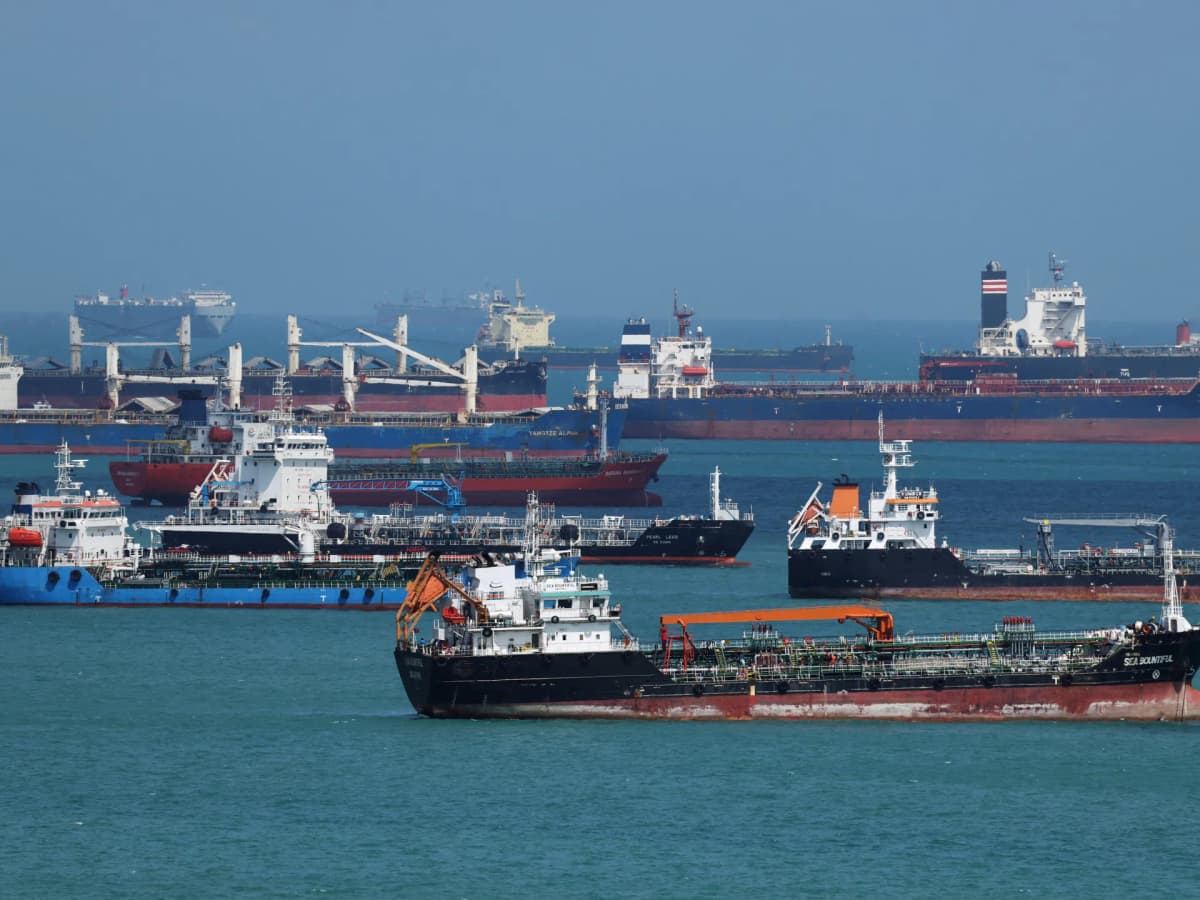
Last Saturday, the Iranian oil tanker known as Humanity made its way through the Straits of Malacca and Singapore, ultimately changing its course towards the Malaysian coast. Notably, the vessel disabled its automatic identification system (AIS) as it approached the Eastern Outer Port Limits (EOPL) of Malaysia, an area spanning approximately 1,200 square kilometers (463 square miles) in the South China Sea, situated around 70 kilometers (43 miles) offshore. Maritime security analysts suggest that the tanker went 'dark' to facilitate a ship-to-ship transfer of its Iranian oil cargo to a middleman, with the final destination likely being China, which has historically accounted for about 90 percent of Iran's crude oil exports, as per the US-China Economic and Security Review Commission.
For many years, the EOPL has functioned as an informal marketplace for oil from countries facing sanctions, including Iran, Russia, and Venezuela. Recent satellite tracking data indicates that activities in this region have persisted throughout the ongoing conflict involving the United States and Israel against Iran, despite a US naval blockade of Iranian ports that was enforced from mid-April to mid-June and resumed in mid-July. Ray Powell, who leads SeaLight, a maritime security monitoring initiative linked to Stanford University, revealed to Al Jazeera that since the beginning of the year, he has identified 62 vessels using false or outdated identities while navigating between the Gulf, the EOPL, and northern China. These vessels are part of a broader network of intermediaries facilitating the sale of Iranian oil to China's independent 'teapot' refineries.