

The recent elections in pakistan-administered kashmir were intended to bolster the region's democratic framework, yet the situation quickly escalated into chaos
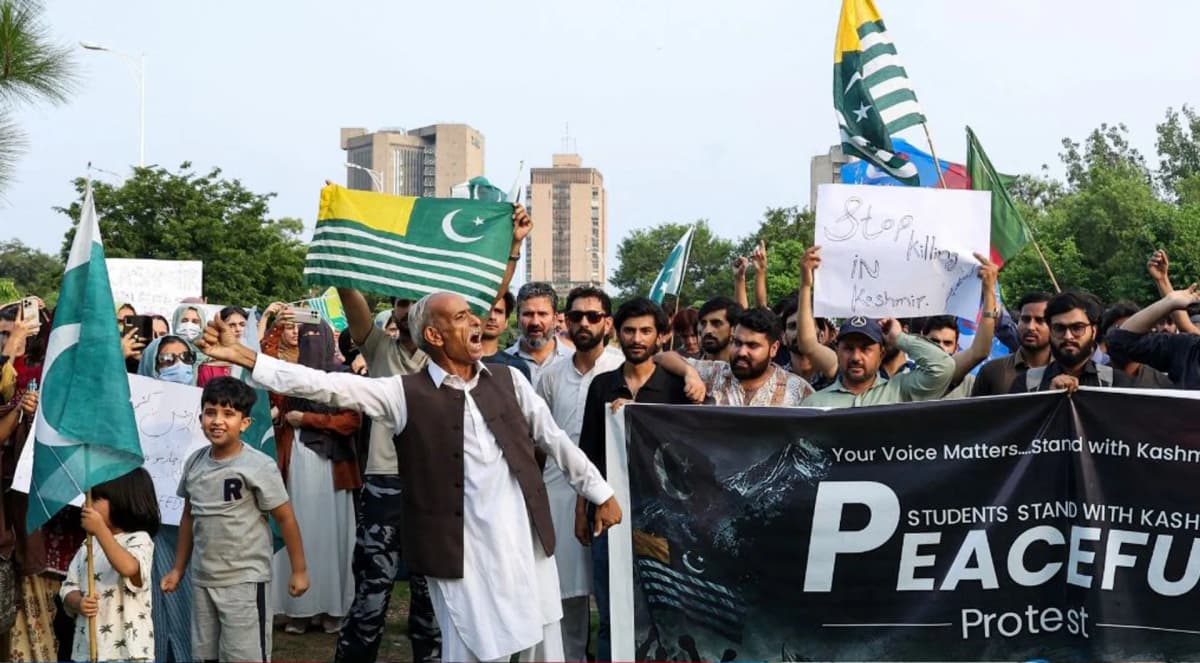
The recent elections in Pakistan-administered Kashmir were intended to bolster the region's democratic framework, yet the situation quickly escalated into chaos as voting commenced. Thousands of individuals took to the streets in protest, reflecting widespread unrest and dissatisfaction with the electoral process. The violence that erupted resulted in numerous casualties, with reports indicating that dozens lost their lives in clashes between demonstrators and security personnel. This turmoil was fueled by weeks of protests organized by a now-outlawed group advocating for significant electoral reforms, which they believe are essential for a fair voting process. The Islamabad government has responded to these demands by stating that any potential reforms would require a constitutional amendment, a move that has further complicated the political landscape in the region.
The unrest surrounding the elections is indicative of a broader political crisis that has been brewing in Pakistan-administered Kashmir, particularly in light of the ongoing Kashmir conflict that has persisted for nearly eighty years. The first phase of the elections has presented one of the most significant challenges to the Pakistani government, as it grapples with the implications of the violence and the demands for reform. The situation raises critical questions about the future governance of the region and the potential for further instability if the grievances of the populace are not adequately addressed. Analysts and political experts are closely monitoring the developments, as the outcomes of these elections could have far-reaching consequences for both local and national politics.

In a recent discussion, prominent figures such as Imtiaz Gul, Executive Director of the Center for Research and Security Studies, and Victoria Jones, Senior Research Fellow at the Asia-Pacific Foundation, weighed in on the implications of the electoral unrest. They highlighted the urgent need for dialogue and reform to prevent further escalation of violence. Qamar Cheema, Executive Director of the Sanober Institute, emphasized that the current crisis could serve as a pivotal moment for the region, potentially reshaping its political landscape. As the situation continues to unfold, the international community is watching closely, hoping for a resolution that prioritizes peace and democratic integrity in Pakistan-administered Kashmir.
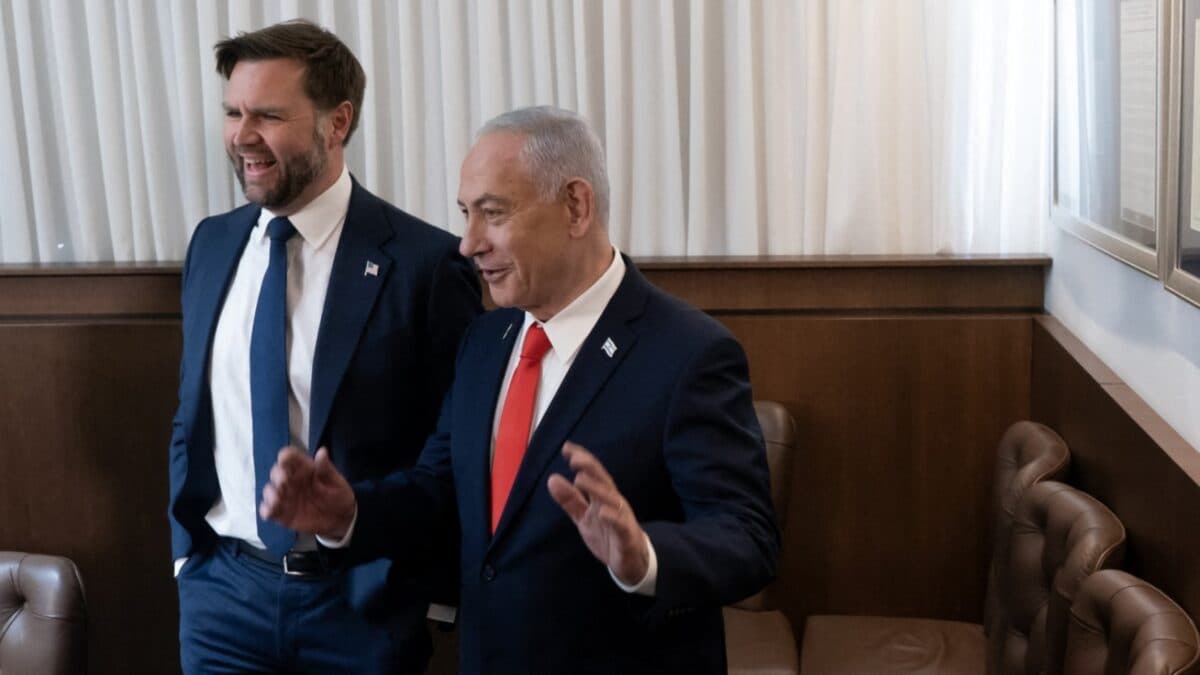
Netanyahu Clarifies Stance on US-Israel Relations After Talks with Vance
14 Nations Form Coalition to Safeguard Red Sea Shipping Amid Rising Oil Prices
Former French Pilot Investigated for Alleged Espionage Ties to China
Ukraine's FM Urges Global Action Amid Black Sea Tensions with Russia
Netanyahu Asserts Readiness of Israeli Forces Amid ICC Arrest Warrant Concerns
NATO Jets Deployed After Russian Missile Incident in Poland
Cuba's Healthcare Crisis Deepens Amid US Sanctions and Blockades
Ceuta Faces Migrant Surge as Thousands Cross from Morocco
Dozens Arrested at London Rally Supporting Palestine Action
China's J-36 Fighter Jet Prototype Sparks Speculation Amid Rising US Tensions

Top Digital Gifts for Friendship Day: Subscriptions and Vouchers

How to Block Your Phone's IMEI Number with Sanchar Saathi After Losing It

The Rise of 'Pitch-A-Friend': A New Way to Find Love in 2026

Tragic Accident in Telangana: Man Killed by Speeding Car Captured on CCTV
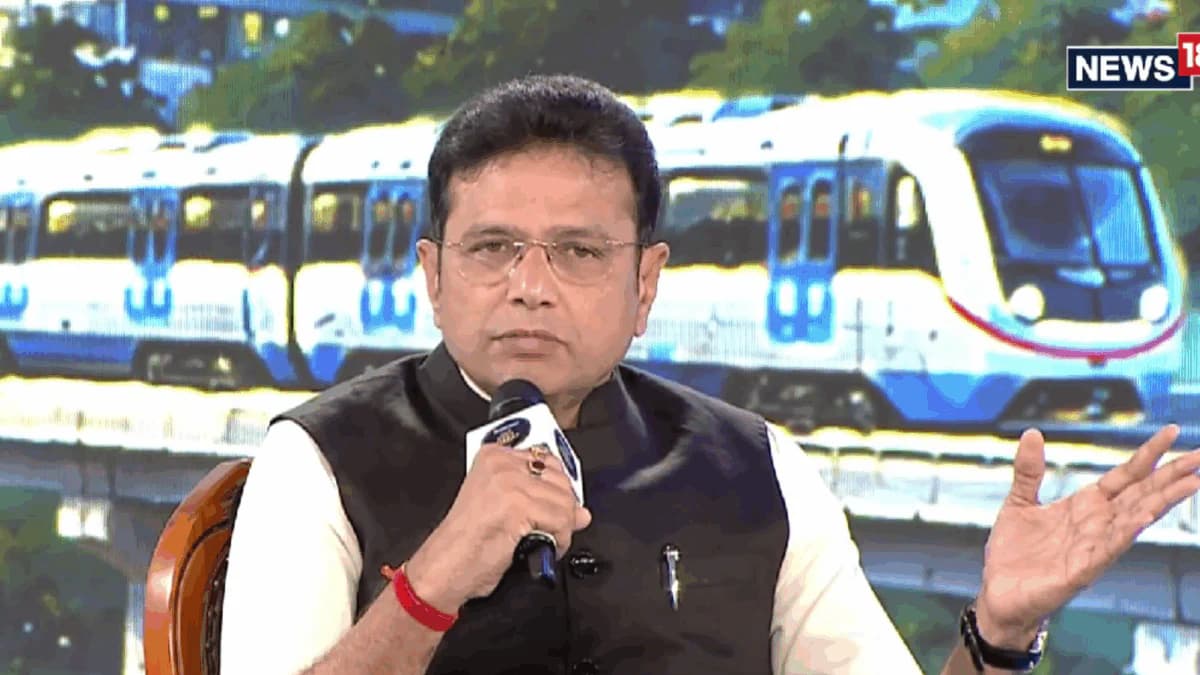
Telangana IT Minister Calls Karnataka a Healthy Competitor for Investments

ABC News Accuses FCC of Intimidation Against Media Coverage
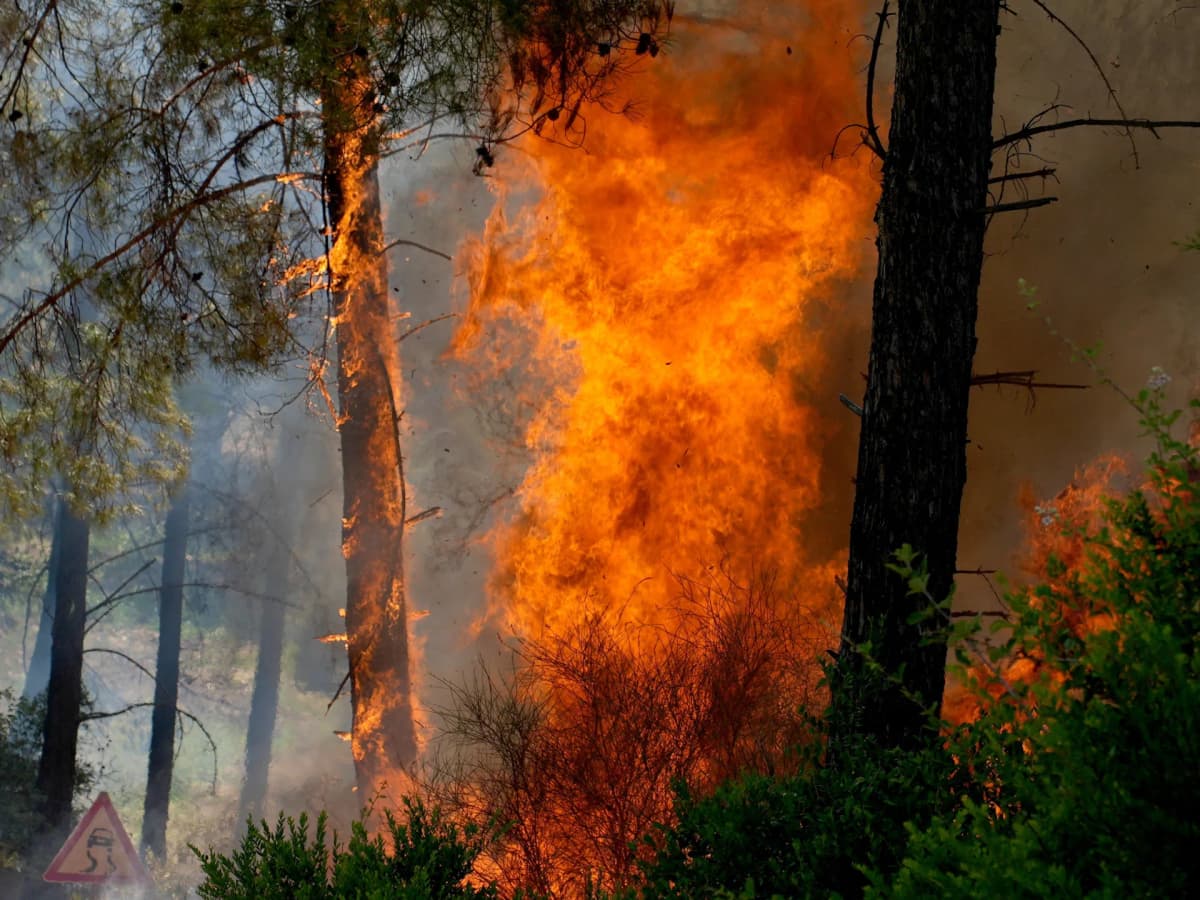
Climate Change Fuels Intensified Wildfires Across Southern Europe
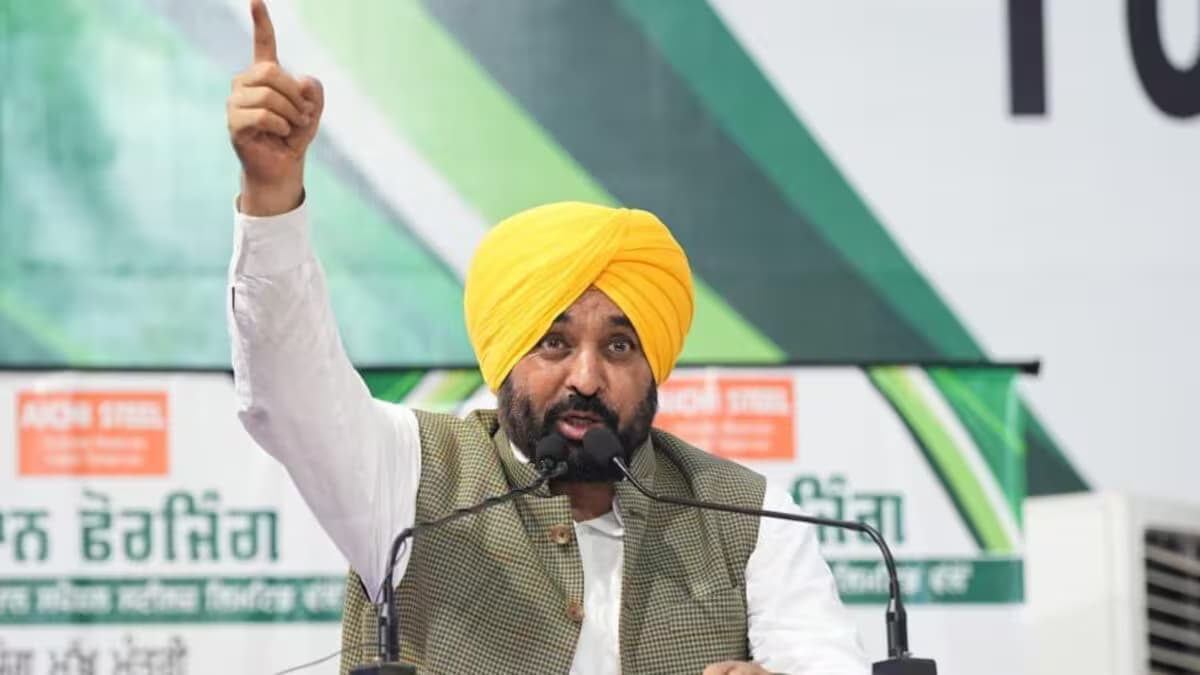
Punjab's Anti-Drug Initiative Gains Momentum with Mental Health Fellowship Expansion