







Saudi Arabia's Role in Advancing Palestinian Statehood
The quest for a sovereign palestinian state has lingered for nearly eighty years since the establishment of israel, remaining a pivotal issue in the arab-israel
The quest for a sovereign Palestinian state has lingered for nearly eighty years since the establishment of Israel, remaining a pivotal issue in the Arab-Israeli conflict. Despite numerous wars, peace treaties, and diplomatic efforts, the resolution of this core issue continues to elude stakeholders. In recent times, Saudi Arabia has emerged as a key player in the pursuit of Palestinian statehood, actively engaging in initiatives aimed at fostering a lasting peace agreement with Israel. This commitment is exemplified by the kingdom's decision to co-sponsor the Global Alliance for the Implementation of the Two-State Solution, which is set to convene in Rome in 2024. The leadership of King Salman and Crown Prince Mohammed bin Salman reflects a long-standing tradition within the Saudi monarchy, which has consistently advocated for a balanced approach to peace in the region. The central question has never been about the feasibility of peace with Israel but rather whether the necessary political conditions exist to ensure that such peace is comprehensive, legitimate, and enduring.
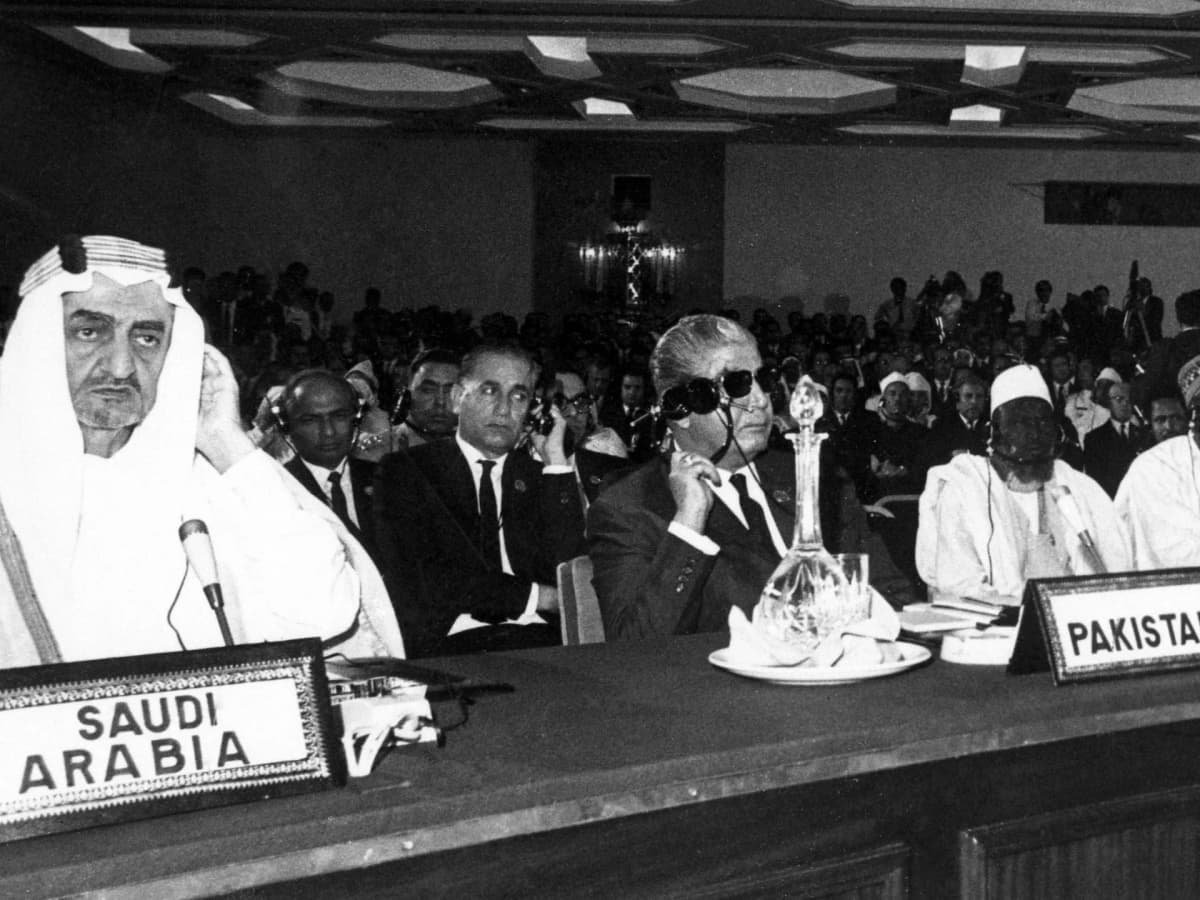
Saudi Arabia's historical stance has emphasized that the recognition of Israel and the establishment of a Palestinian state are interlinked components of a singular resolution. This principle, rooted in the policies of King Faisal, has been upheld by successive monarchs, who have adapted their diplomatic strategies to align with the evolving regional landscape while maintaining a steadfast commitment to Palestinian self-determination as a cornerstone of national security. The Fahd Plan of 1981, named after King Fahd, formalized this doctrine by proposing an Israeli withdrawal from occupied territories in exchange for recognition of Palestinian rights. This strategic logic was further expanded by the 2002 Arab Peace Initiative, which offered Israel comprehensive peace and normalization of relations with Arab nations in return for its withdrawal from territories occupied in 1967 and the establishment of an independent Palestinian state. The current Saudi leadership thus inherits a well-defined strategic framework, tasked with assessing whether the present diplomatic climate can finally meet the longstanding conditions for peace that have remained largely unchanged over the decades.