





Trump Links Saudi Nuclear Deal to Abraham Accords in Bold Move
A significant agreement has emerged between the united states and saudi arabia concerning a civilian nuclear initiative, a development that has raised alarms ab
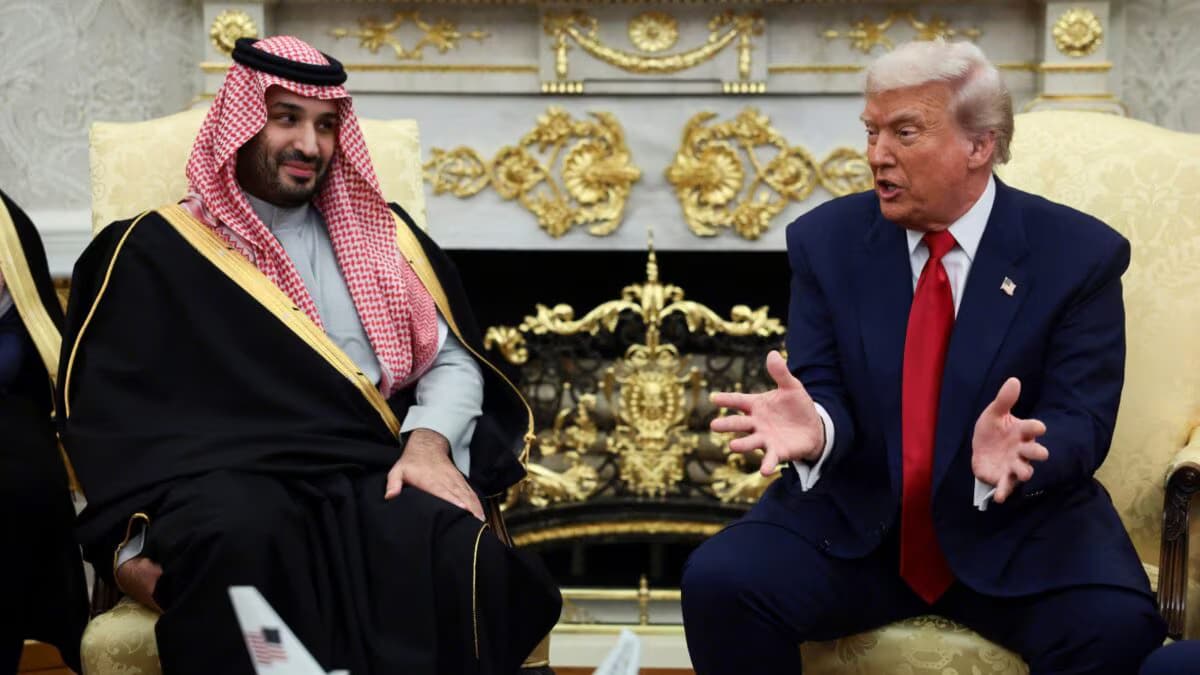
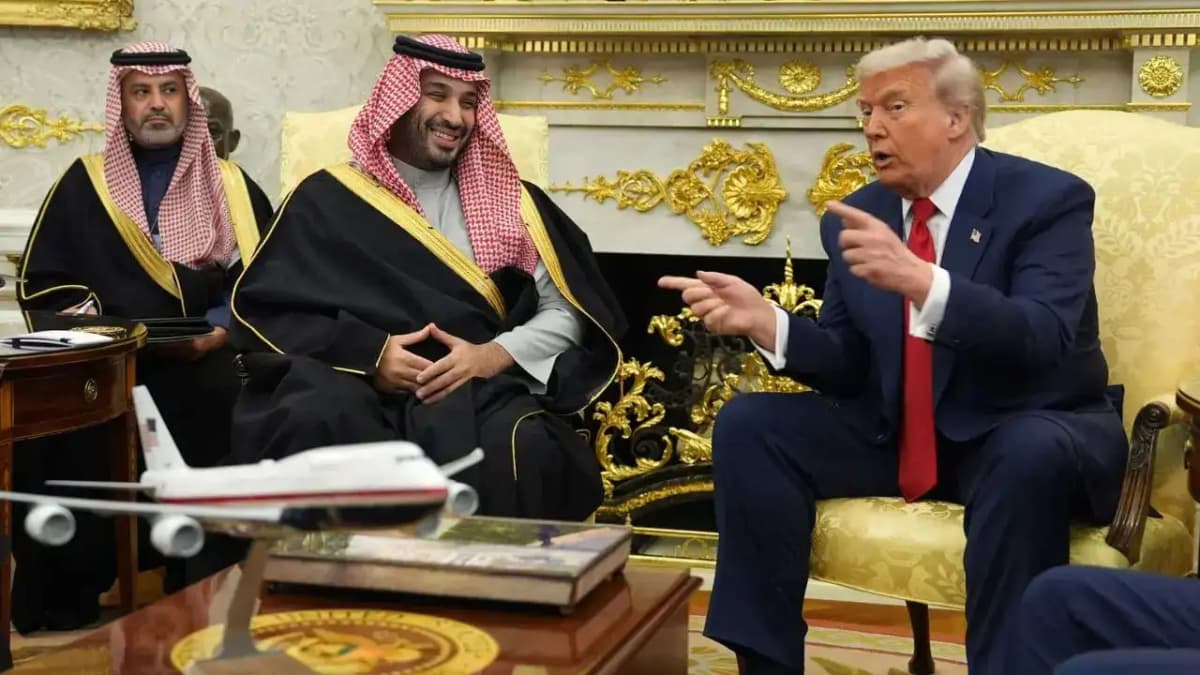
A significant agreement has emerged between the United States and Saudi Arabia concerning a civilian nuclear initiative, a development that has raised alarms about the potential for an arms race, even as it signifies a strengthening of relations between Riyadh and Washington. However, within a day of the deal's announcement, former President Donald Trump introduced a new stipulation: Saudi Arabia must engage in the Abraham Accords, the normalization framework established during his presidency. This civilian nuclear cooperation agreement aims to establish a legal foundation for long-term peaceful nuclear collaboration while enhancing nuclear safety, security, and nonproliferation efforts. Yet, shortly after the agreement was finalized, Trump insisted that the kingdom's participation in the Abraham Accords was a prerequisite for the nuclear deal to proceed.
In an exclusive interview with Times Now Digital, Richard M. Sanders, a Senior Fellow at the Centre for the National Interest based in Washington, D.C., and a former member of the U.S. Department of State's Senior Foreign Service, provided insights into the implications of this unexpected linkage. He emphasized that the original nuclear agreement aligns with decades of U.S. strategy, particularly given Saudi Arabia's pivotal role in American foreign policy in the Middle East since World War II. With ongoing tensions in the Gulf region and the unresolved issue of Iran, enhancing ties with Riyadh not only makes strategic sense but also opens up new commercial prospects for American nuclear enterprises. This approach reflects the Trump administration's broader inclination to view foreign policy through both economic and security lenses. However, Sanders expressed surprise at the decision to connect the nuclear deal to Saudi Arabia's acceptance of the Abraham Accords, which had previously facilitated normalization between Israel and several Arab nations, including the UAE and Bahrain, with Morocco and Sudan following suit. He noted that securing Saudi participation in the Accords would represent a significant diplomatic achievement.