




US Military May Restrict Phone Use Amid Iran Threats
The leading american military official responsible for operations in the middle east has raised significant concerns regarding the potential risks posed by soci
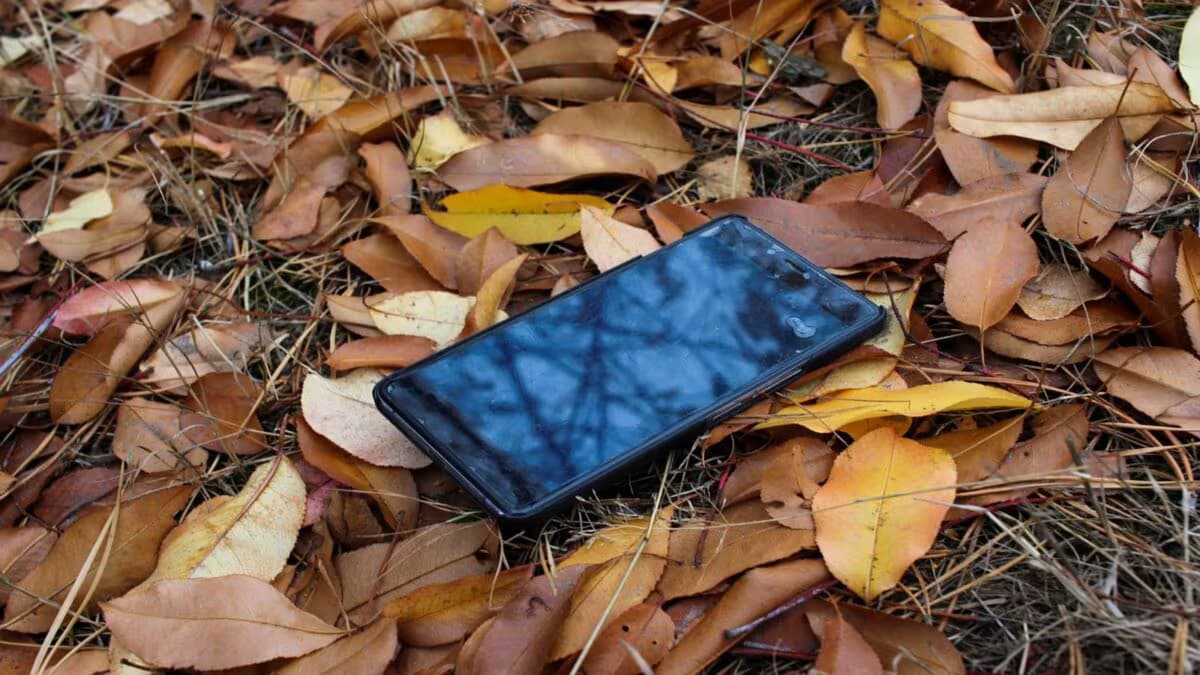
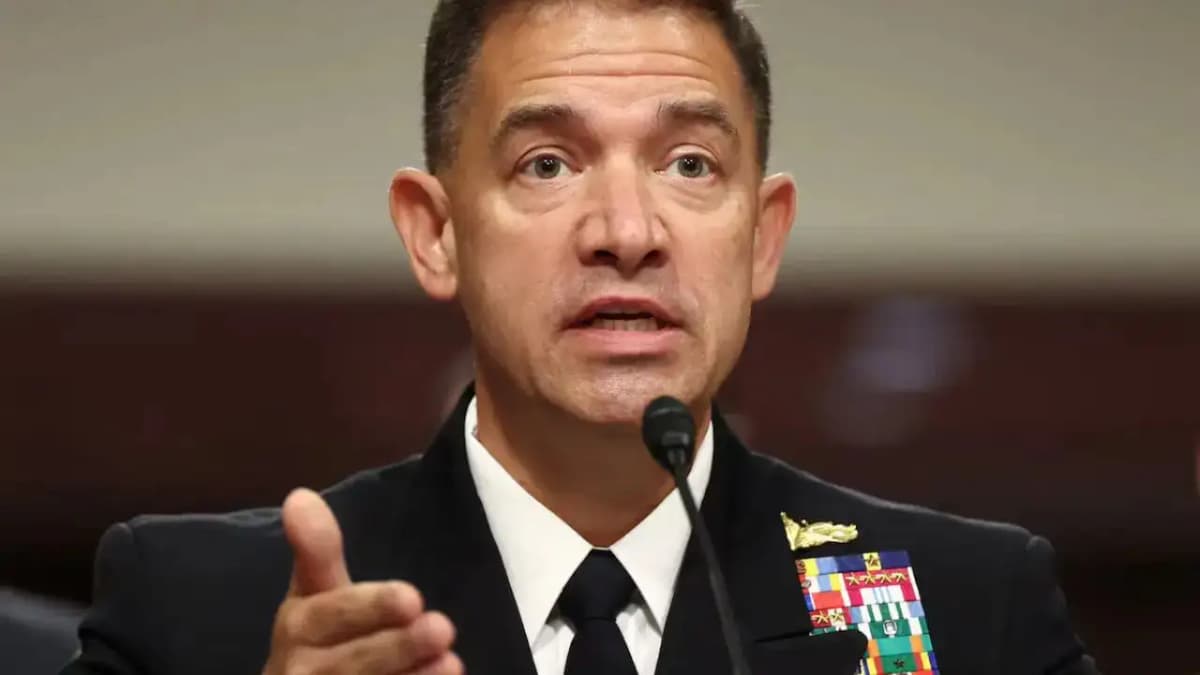
The leading American military official responsible for operations in the Middle East has raised significant concerns regarding the potential risks posed by social media posts made by troops. Admiral Brad Cooper, who heads US Central Command, indicated in a letter dated July 28 that the videos and images shared by service members could inadvertently assist Iran in pinpointing US military bases. This alarming revelation, which was not previously disclosed, was obtained by Reuters and highlights the growing tension in the region. Cooper emphasized that Iran has the capability to monitor the effectiveness of its attacks almost in real-time by analyzing news reports and social media content that features footage captured by troops on their personal devices. The implications of this open-source intelligence are dire, as Cooper warned that it could ultimately lead to the loss of American and allied lives, including both military personnel and civilians residing in Gulf nations that have been targeted by Iranian aggression. His directive to the troops was clear: they must enhance their focus on operational security to mitigate these risks. While the letter did not outline specific protocols, sources revealed to Reuters that in Jordan, a nation that has faced repeated Iranian strikes, some service members have already been notified that their phones will be confiscated in the near future. Furthermore, discussions are ongoing about implementing similar measures across the broader region, although no final decisions have been made yet.
Admiral Cooper articulated that without the information shared on social media, Iran would face considerable challenges in assessing the success of its military operations. He pointed out that US military tactics, including jamming and other countermeasures, typically hinder Iran's ability to determine the accuracy of its strikes. He bluntly stated that Iranian forces usually lack the means to ascertain whether a strike missed its target by a significant margin, struck an unoccupied area, or hit a densely populated facility. When news organizations provide detailed analyses of the damage inflicted, Cooper argued, they inadvertently offer Iran a complimentary assessment of their military effectiveness. This situation raises critical questions about the balance between operational security and the personal communication needs of military families. The potential for troops to lose access to their phones has understandably unsettled many families back home. According to two sources who spoke with Reuters, relatives of deployed service members, already anxious from months of reports about Iranian attacks on military installations in the Middle East, are increasingly worried about the prospect of losing regular communication with their loved ones stationed overseas.