










Yemeni Laborers Struggle as Fuel Prices Surge Amid Regional Conflict
In taiz, yemen, the ongoing conflict has severely impacted the livelihoods of construction workers, particularly as fuel prices soar due to the escalating us-is
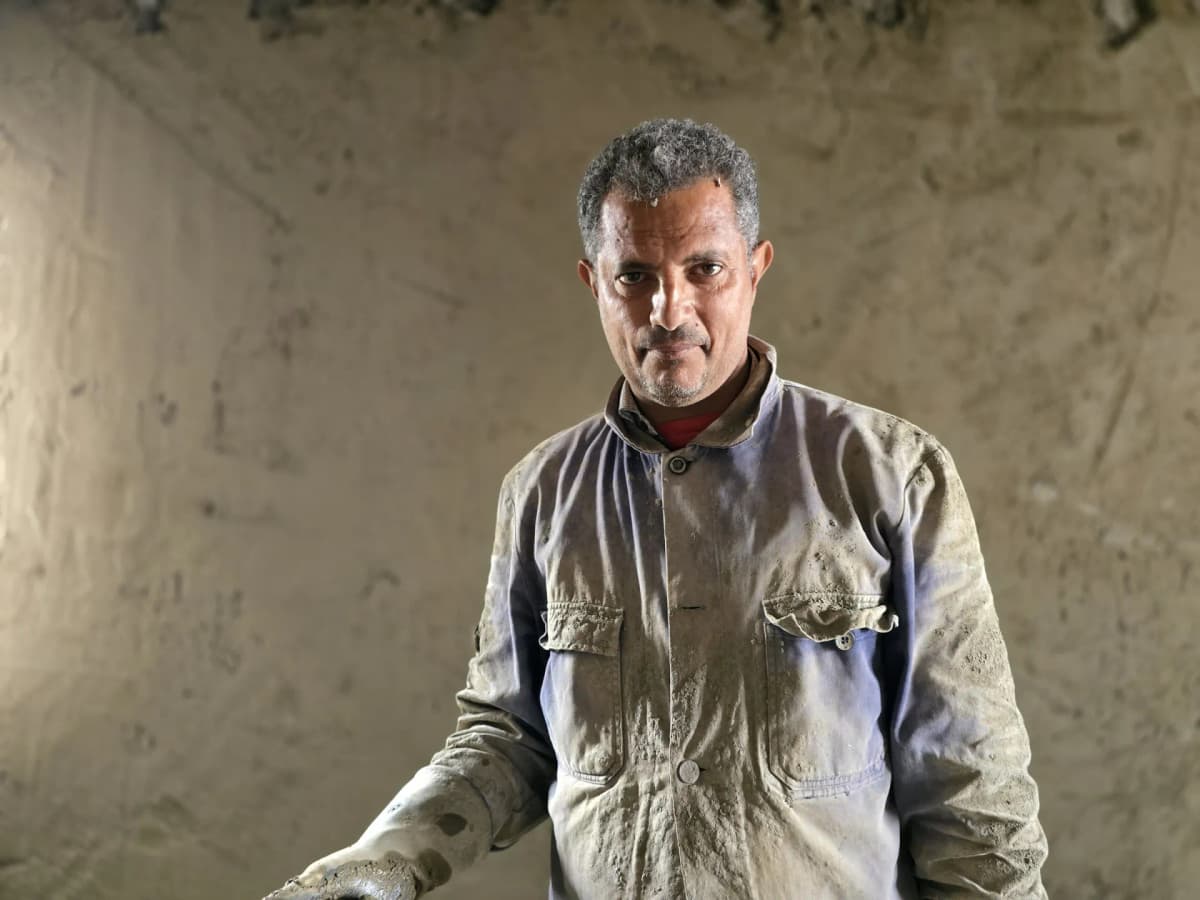
In Taiz, Yemen, the ongoing conflict has severely impacted the livelihoods of construction workers, particularly as fuel prices soar due to the escalating US-Israel tensions with Iran. Fuad Mohammed, a seasoned construction laborer with over 25 years of experience, has witnessed a significant decline in job opportunities since the onset of the war in Yemen more than a decade ago. The situation has worsened dramatically since late February, when the conflict in the region intensified, leading to a surge in commodity prices that has left many struggling to make ends meet. “We can barely eke out a living for our families,” Fuad lamented, highlighting the dire circumstances faced by workers like him. The construction sector, heavily reliant on fuel, has been particularly hard-hit, with the price of diesel skyrocketing from 25,000 Yemeni riyals ($17) for 20 liters in January to 45,000 riyals ($30) today. This drastic increase has triggered a ripple effect, inflating the costs of all goods and services linked to fuel, further exacerbating the challenges faced by construction workers.
The soaring prices have led to a halt in numerous construction projects across Yemen's eastern and southwestern regions. Fuad noted that prior to the recent conflict escalation, he could secure work for about two weeks each month. However, this year has seen him struggle to find any work for several months. “The price hikes in building materials have frustrated both homeowners and construction laborers,” he explained. Many potential clients are now unable to proceed with their construction plans due to inflated costs, leaving laborers like Fuad without job opportunities. He recounted a recent experience where he was hired to assist a woman building a home for her family, but rising prices forced her to pause the project. “I also work with construction contractors, but most of them have paused their projects at the request of homeowners,” Fuad added, emphasizing the widespread impact of the economic downturn on the construction industry.