







Challenges in Protecting the Western Ghats Amid Tourist Attraction
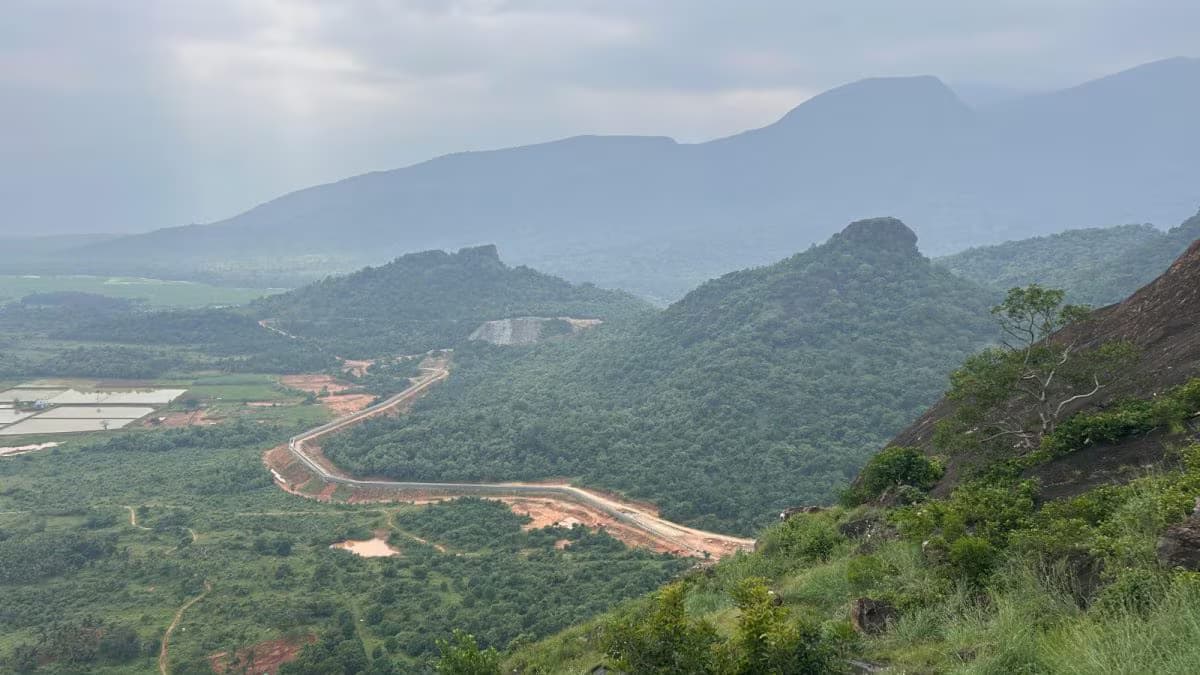
The western ghats, a unesco world heritage site, have become a popular destination for tourists during the monsoon season, attracting visitors with their lush l
The Western Ghats, a UNESCO World Heritage Site, have become a popular destination for tourists during the monsoon season, attracting visitors with their lush landscapes and vibrant biodiversity. However, the challenge of protecting this ecologically sensitive region is significant, as highlighted by the recent actions of the Union Environment Ministry. On July 27, 2026, the ministry issued a new draft notification aimed at designating approximately 56,825.7 square kilometers across six states as an Ecologically Sensitive Area (ESA). This initiative seeks to address the long-standing regulatory deadlock that has hindered conservation efforts for over a decade. The urgency of this notification arose after the previous draft expired without achieving consensus among the states involved, prompting the government to act swiftly to ensure the protection of this vital ecosystem.
The proposed ESA encompasses regions in Karnataka, Maharashtra, Kerala, Tamil Nadu, Goa, and Gujarat, with Karnataka being allocated the largest share of 20,668 square kilometers, followed by Maharashtra at 17,340 square kilometers. The government has opened a 60-day period for state authorities, local stakeholders, and the public to voice their objections and suggestions regarding the draft. If the notification is finalized, it will impose a comprehensive ban on activities such as mining, quarrying, sand extraction, and the establishment of new thermal power plants within the designated ESA boundaries. This move is crucial for safeguarding the unique biodiversity of the Western Ghats, which is home to numerous endemic species and vital ecosystems. To navigate the complex socio-political landscape surrounding this issue, the central expert committee tasked with reviewing state-level objections has had its term extended until July 2027, allowing for further deliberation and input from various stakeholders.