





India's Ongoing River Water Disputes: A Deep Dive into Key Conflicts
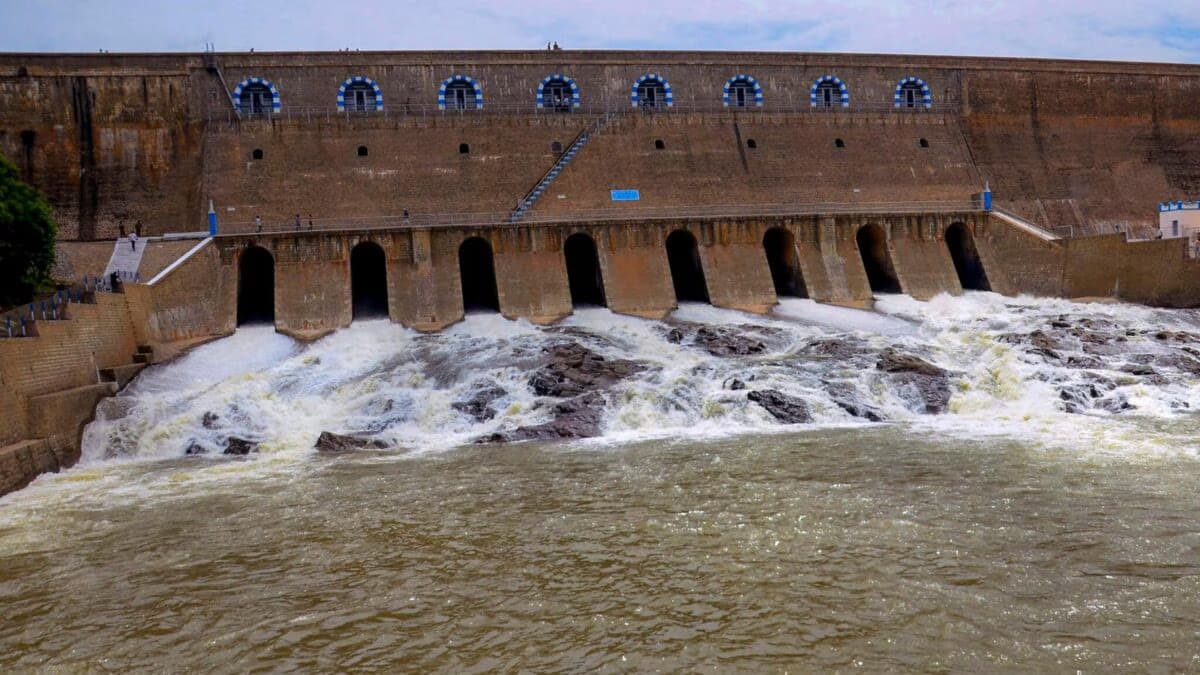
The recent escalation in the long-standing cauvery water dispute between karnataka and tamil nadu has once again highlighted the complexities surrounding inters
The recent escalation in the long-standing Cauvery water dispute between Karnataka and Tamil Nadu has once again highlighted the complexities surrounding interstate water sharing in India. The Cauvery River, which flows through both states, has been at the center of contention for many years, but it is not the only river facing such disputes. Across the nation, various states have been embroiled in conflicts over water resources, particularly during periods of insufficient rainfall and drought. These disputes often raise critical questions about how to equitably distribute limited water resources among states with competing needs for agriculture, industry, and domestic consumption.
The Cauvery dispute is primarily characterized by the conflicting claims of Karnataka and Tamil Nadu regarding water allocation. Karnataka, situated upstream, maintains that it must conserve water in its reservoirs to meet the increasing demands for drinking water, agriculture, and industry, especially in urban areas like Bengaluru. Conversely, Tamil Nadu, which relies heavily on the river for irrigation in its delta regions, argues that historical agreements entitle it to a specific share of the water. Tensions escalate particularly during dry years when Karnataka aims to hold back water while Tamil Nadu insists on releases to safeguard its crops. In 2018, the Supreme Court intervened by modifying the existing water-sharing agreement and establishing the Cauvery Water Management Authority (CWMA) to oversee the distribution of water. However, disputes continue to arise whenever rainfall levels fall short of expectations, with the CWMA recently directing Karnataka to release 3,500 cusecs of water daily to Tamil Nadu for a limited period.