






CRPF Chief Encourages Personnel Amid Pellet Gun Controversy
The ongoing debate surrounding the deployment of pellet guns during protests at delhi's jantar mantar has prompted a strong message from the central reserve pol
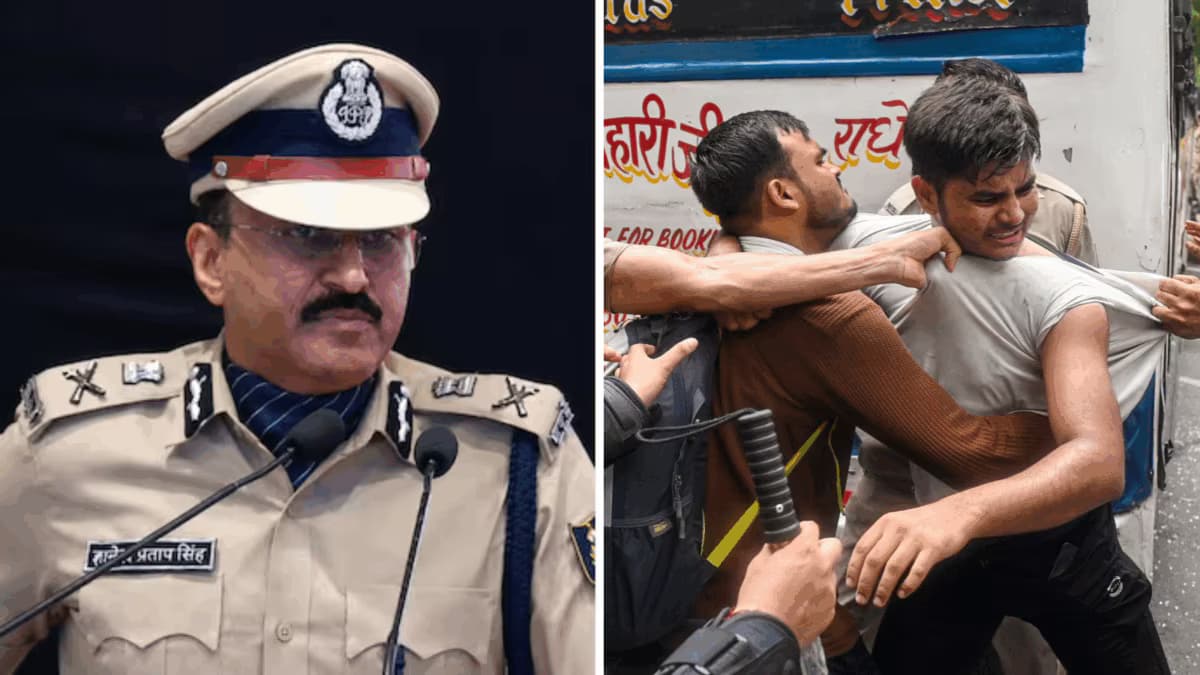
The ongoing debate surrounding the deployment of pellet guns during protests at Delhi's Jantar Mantar has prompted a strong message from the Central Reserve Police Force (CRPF) chief, who has expressed unwavering support for his personnel. During a recent investiture ceremony, CRPF Director General Gyanedra Pratap Singh addressed the controversy head-on, urging security forces to perform their duties without fear of repercussions. He reassured them that he would take full responsibility for their actions while executing their responsibilities. Singh emphasized the importance of operational integrity, stating, “As the Director General of the CRPF, I want to assure each one of you that whether it is an operational battalion or a law-and-order unit, whatever decisions you take and whatever actions you carry out in the bona fide discharge of your duties, I take responsibility for all those decisions and actions.” His remarks come in the wake of violent clashes that erupted during the ‘Chalo Sansad’ march organized by the Cockroach Janta Party on July 20, which was aimed at protesting the NEET-UG paper leak scandal that has affected countless students across the nation.
The protests turned chaotic, resulting in confrontations between demonstrators and law enforcement at various locations around Jantar Mantar. Reports indicate that over 65 protesters and more than 200 police officers sustained injuries during the unrest. The situation escalated significantly when allegations surfaced regarding the use of plastic pellets by security forces, leading to a political uproar as many protesters reportedly suffered severe injuries. Official accounts reveal that the Rapid Action Force (RAF) deployed a range of crowd-control measures, including the firing of 55 non-electrical shells, 15 electrical shells, five tear smoke grenades, and rounds from anti-riot guns, alongside the controversial plastic pellets. Each round of these pellets is designed to contain four projectiles, intended to inflict less severe injuries compared to traditional metal pellets.