









Government Defends E20 Petrol Amid Engine Damage Concerns
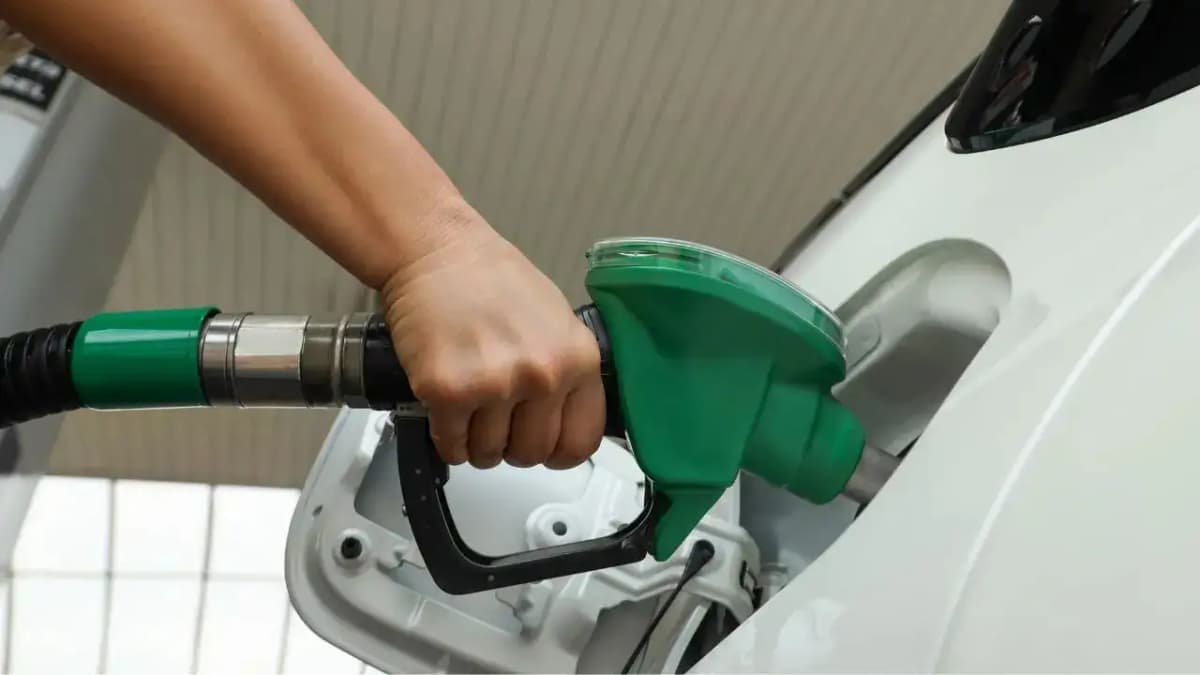
The ministry of information and broadcasting has recently come forward to defend the use of e20 petrol, addressing growing concerns regarding potential damage t
The Ministry of Information and Broadcasting has recently come forward to defend the use of E20 petrol, addressing growing concerns regarding potential damage to engines. In a public statement, the ministry emphasized that there have been no verified incidents of corrosion, fuel pump failures, or unusual engine wear reported among the more than 15 million older vehicles and those not certified for E20 fuel that have been serviced by a prominent manufacturer during the fiscal year 2026. This announcement arrives at a time when criticism surrounding ethanol-blended petrol has surged online, fueled by a citizen-led movement calling for greater transparency in the fuel's impact on vehicle performance. The government's response is significant as it directly tackles the primary concerns of vehicle owners, namely the risks of engine damage and the possibility of decreased fuel efficiency, providing a specific data point to support its claims. The ministry's assertion aims to reassure consumers about the safety and reliability of E20 petrol, especially as it becomes more prevalent in the market.
Union Minister Nitin Gadkari has also weighed in on the debate, acknowledging that while E20 petrol might lead to a reduction in fuel efficiency for certain vehicles, he urges that the broader implications of this policy should not be evaluated solely based on mileage. Gadkari argues that the initiative to promote E20 petrol is part of a larger strategy aimed at decreasing India's reliance on imported fuels, which can significantly impact the nation's economy. Furthermore, he highlights the potential benefits for farmers, as the ethanol economy could provide them with additional income streams. This perspective suggests that the government is looking beyond immediate concerns about fuel efficiency and is instead focusing on long-term economic and environmental benefits that could arise from the adoption of ethanol-blended fuels.