


India's Ambitious Plan to Eradicate Hepatitis by 2030
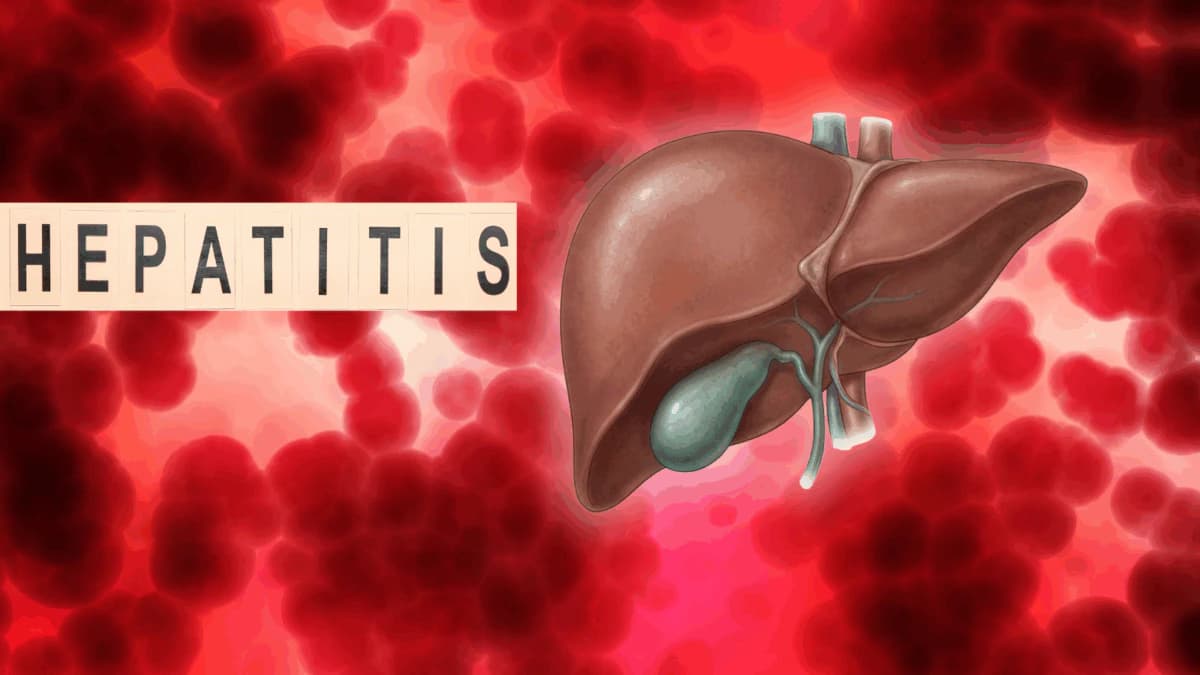
India faces a significant challenge with viral hepatitis, as it is home to one of the largest populations affected by this disease globally. according to the wo
India faces a significant challenge with viral hepatitis, as it is home to one of the largest populations affected by this disease globally. According to the World Health Organization's Global Hepatitis Report 2024, an estimated 29.8 million individuals in India are living with chronic hepatitis B virus (HBV) infections, while an additional 5.5 million are affected by hepatitis C virus (HCV). This alarming statistic underscores the urgency of the government's efforts to combat hepatitis, especially as World Hepatitis Day approaches on July 28, 2024, which aims to highlight the importance of breaking down barriers to testing and early treatment.
In response to this public health crisis, India has launched an aggressive initiative to eliminate viral hepatitis as a health threat by the year 2030. This initiative is part of a broader strategy to enhance the National Viral Hepatitis Control Programme (NVHCP), which aims to expand access to free testing and treatment options while integrating hepatitis care into the existing framework of public health services. Hepatitis, characterized by inflammation of the liver, is primarily caused by five viruses: hepatitis A, B, C, D, and E. While hepatitis A and E typically result in acute illness linked to contaminated food or water, hepatitis B and C can lead to chronic conditions that silently inflict long-term damage on the liver, potentially resulting in severe complications such as cirrhosis, liver failure, and liver cancer if not treated adequately.