











US Bans Chinese Humanoid Robots Over National Security Concerns
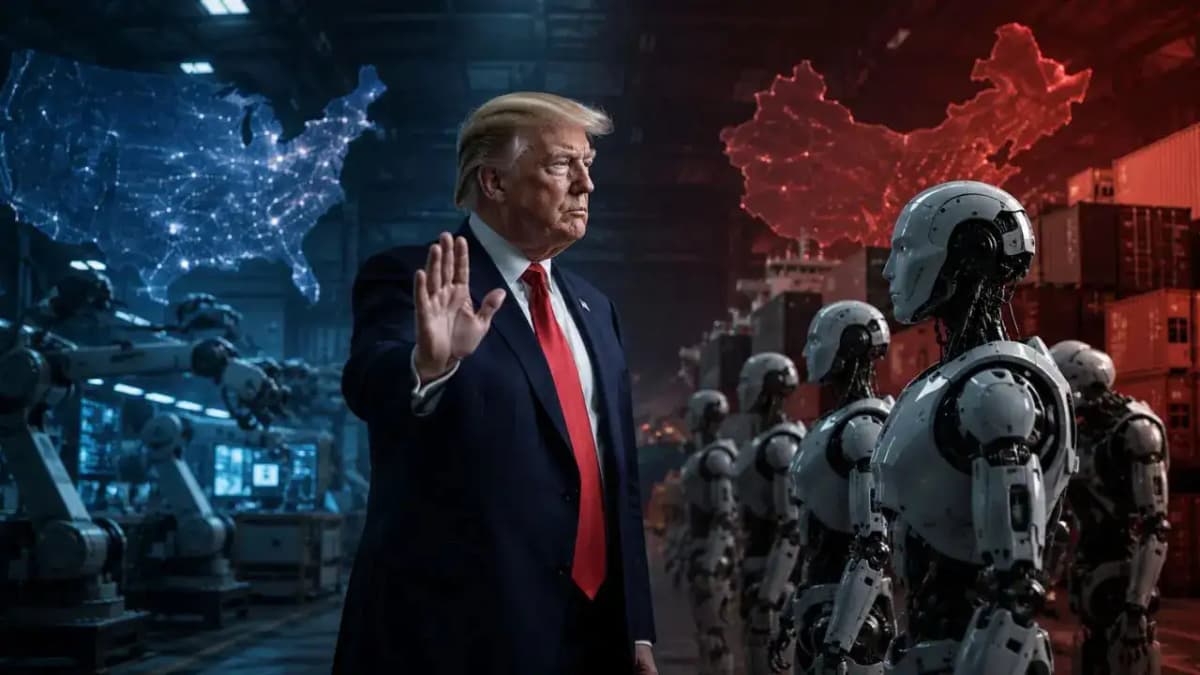
The united states government has recently enacted a prohibition on the importation and use of humanoid robots manufactured in china, citing significant national
The United States government has recently enacted a prohibition on the importation and use of humanoid robots manufactured in China, citing significant national security concerns. This decision, which was announced by the Trump administration, is part of a broader strategy aimed at mitigating potential cybersecurity threats posed by advanced technologies from foreign adversaries. Alongside humanoid robots, the ban also extends to power inverters, with officials expressing fears that these technologies could compromise the integrity of American infrastructure and economic stability. The Federal Communications Commission (FCC) has underscored the risks associated with these devices, stating that they could create vulnerabilities in supply chains that might disrupt both economic and national security. The FCC's statement highlighted the potential for these robots to be exploited by malicious entities to surveil American citizens or enhance the capabilities of foreign intelligence operations.
The timing of this ban is particularly noteworthy, as it comes amidst a surge in sales of Chinese-made robots, especially from the manufacturer Unitree, which has been gaining traction in the United States, particularly within academic and research institutions. The new regulations categorize these advanced foreign-made robots, including both humanoid and quadrupedal models, as high-risk items under the FCC's Covered List. This list serves as a registry of goods and services deemed to pose a threat to U.S. national security. The FCC has raised alarms about the data collection capabilities of these robots, warning that such information could be misused by adversarial actors to conduct surveillance on American citizens or to remotely control the robots for nefarious purposes. This move reflects a growing apprehension regarding the implications of foreign technology on domestic security.