



Fauci Invokes Fifth Amendment at Senate Hearing on COVID-19 Origins
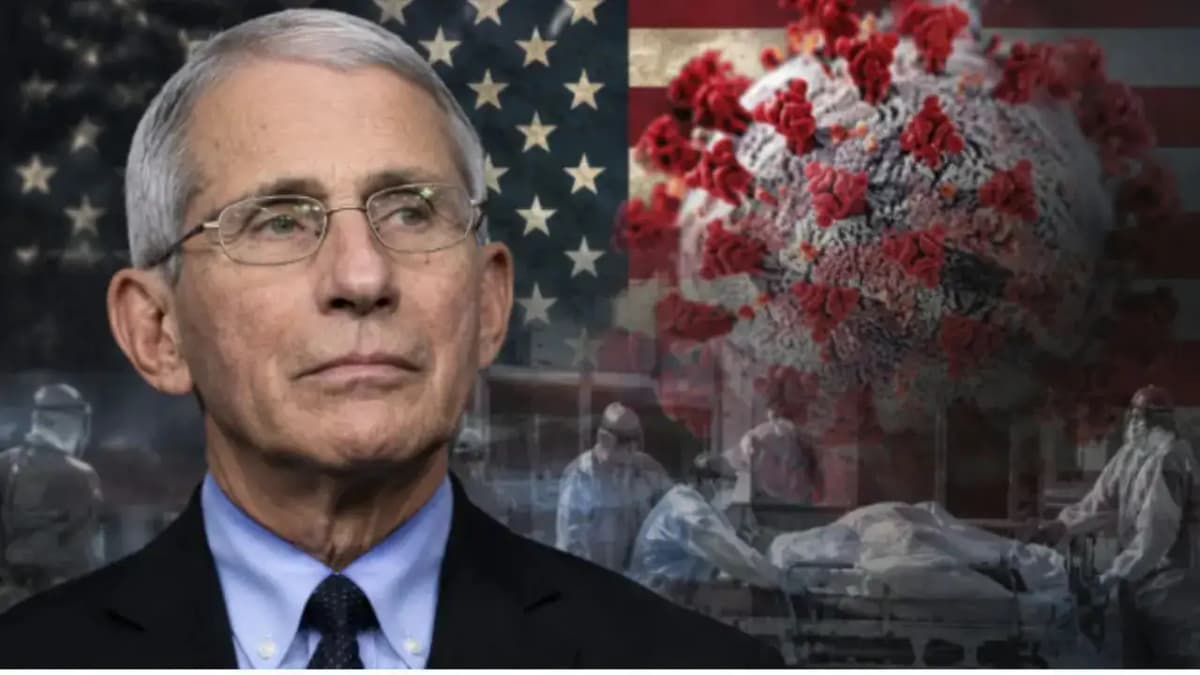
In a notable senate hearing regarding the origins of covid-19 and the u.s. government's response to the pandemic, former infectious disease expert dr. anthony f
In a notable Senate hearing regarding the origins of COVID-19 and the U.S. government's response to the pandemic, former infectious disease expert Dr. Anthony Fauci chose not to answer questions, citing his Fifth Amendment right against self-incrimination. This decision has heightened political tensions, particularly with Senator Rand Paul accusing Fauci of obstructing Congress. Meanwhile, Democrats have come to Fauci's defense, framing his choice as a necessary legal protection against potential politically motivated prosecution. The hearing, held by the Senate Homeland Security and Governmental Affairs Committee, saw Fauci assert that he was following the guidance of his legal team. He emphasized that the ongoing calls for his prosecution by Senator Paul, coupled with years of personal attacks and public accusations, created a precarious situation where any testimony could be weaponized against him in future legal matters.
Despite his refusal to answer questions, Fauci highlighted his extensive history of cooperation with Congress, having testified over 200 times during his nearly four-decade tenure as the Director of the National Institute of Allergy and Infectious Diseases (NIAID). The atmosphere of the hearing quickly became charged, with Senator Paul insisting that Fauci should address inquiries related to the government's management of the COVID-19 crisis and allegations of misleading Congress. Paul warned that Fauci's refusal to testify could lead to significant consequences and hinted that the committee might explore further actions. Tensions escalated when Fauci's attorney attempted to speak to the lawmakers but was denied the opportunity and subsequently removed from the hearing room after Chairman Paul refused to acknowledge him.

Following the session, Fauci's legal representative defended his client's decision to invoke the Fifth Amendment, asserting that it was a legitimate constitutional right under the circumstances. Democratic senators expressed strong disapproval of the hearing's proceedings, with Senator Gary Peters cautioning that vilifying Fauci could deter scientists and public health professionals from pursuing government roles in the future. Senator Richard Blumenthal characterized the hearing as politically motivated, standing up for Fauci's long-standing contributions to infectious disease research and public health. On the other hand, Republican senators continued to scrutinize Fauci's earlier statements regarding the pandemic and the origins of COVID-19, arguing that the public deserves more transparency and accountability. This hearing, while primarily focused on legal and political ramifications, underscores the ongoing discourse surrounding COVID-19, pandemic preparedness, scientific transparency, and government accountability. Public health experts stress the importance of understanding the origins of new infectious diseases, enhancing pandemic surveillance, and fostering better communication among scientists, policymakers, and the public to effectively respond to future health emergencies. The event also illustrates how scientific leadership can become entangled in political discussions during significant public health crises. Regardless of differing political opinions, experts concur that sustaining public trust in science, ensuring transparent investigations, and upholding evidence-based decision-making are vital for preparing for future pandemics.