











US GDP Growth Declines Amid Inflation and Trade Deficits
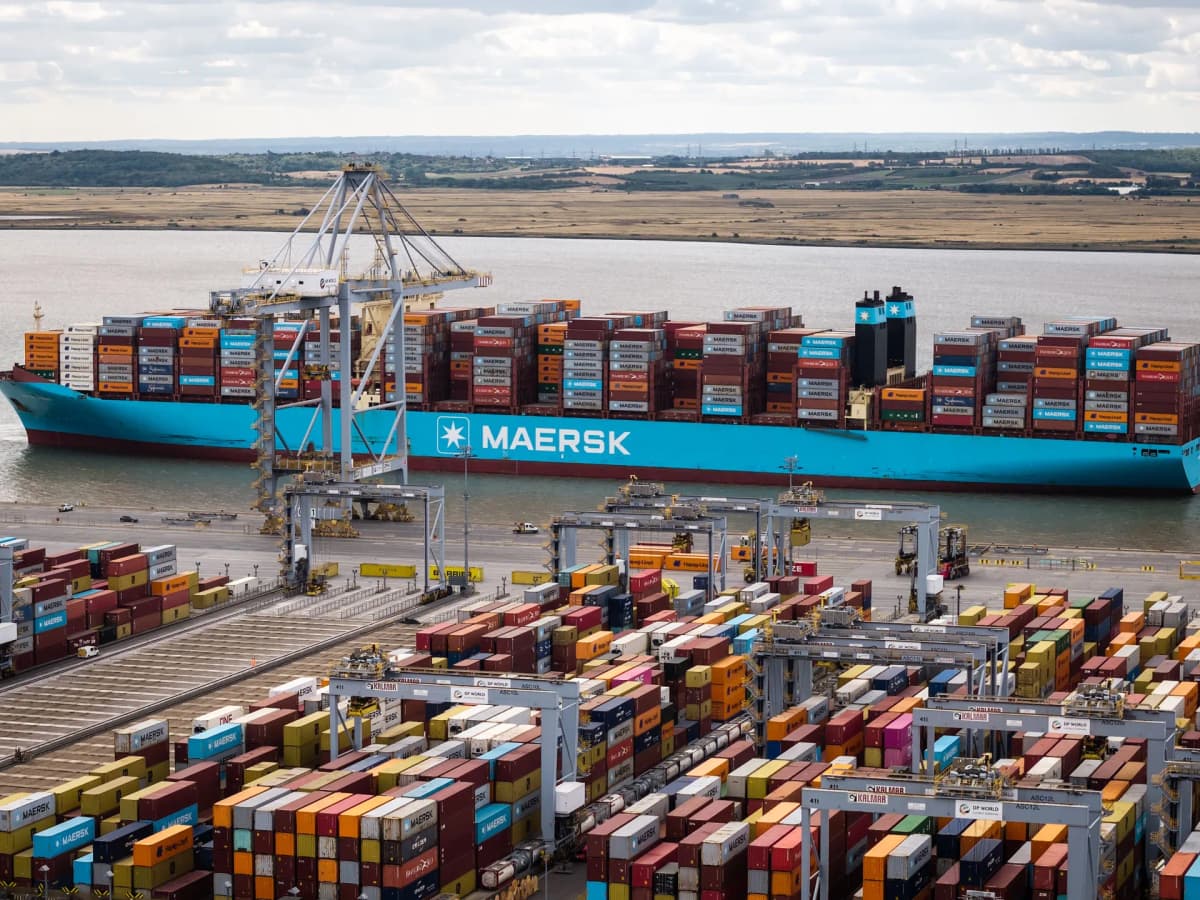
The economic growth of the united states experienced a notable slowdown in the second quarter of 2026, primarily driven by a widening trade deficit and rising i
The economic growth of the United States experienced a notable slowdown in the second quarter of 2026, primarily driven by a widening trade deficit and rising inflationary pressures. According to a report released by the Bureau of Economic Analysis (BEA) on Thursday, the nation's gross domestic product (GDP) increased by only 1.5 percent from April to June, a significant drop from the 2.1 percent growth recorded in the first quarter of the year. This decline has raised concerns among economists and policymakers about the sustainability of the current economic trajectory, especially in light of the ongoing challenges posed by global trade dynamics and domestic inflation.
Experts attribute the deceleration in GDP growth to several interrelated factors, with a key contributor being the escalating trade deficit. The recent surge in oil prices has compounded the issue, creating what some analysts describe as a classic supply shock. Michael Klein, a professor specializing in international economic affairs at The Fletcher School at Tufts University, emphasized that the combination of tariffs and rising oil prices aligns with expected macroeconomic outcomes. The BEA data indicates that the United States has ramped up imports of essential goods, including semiconductors and telecommunications equipment, which has led to a 15 percent increase in business investment in equipment during the second quarter. However, this investment surge has not translated into a corresponding increase in domestic production, leading to a situation where the U.S. is consuming and investing more while failing to enhance its output.