







Delhi Experiences Worst Air Quality in July in Six Years Amid Heavy Rains
The month of july has concluded with alarming air quality figures for delhi, marking the worst average pollution levels recorded in six years. this situation pr
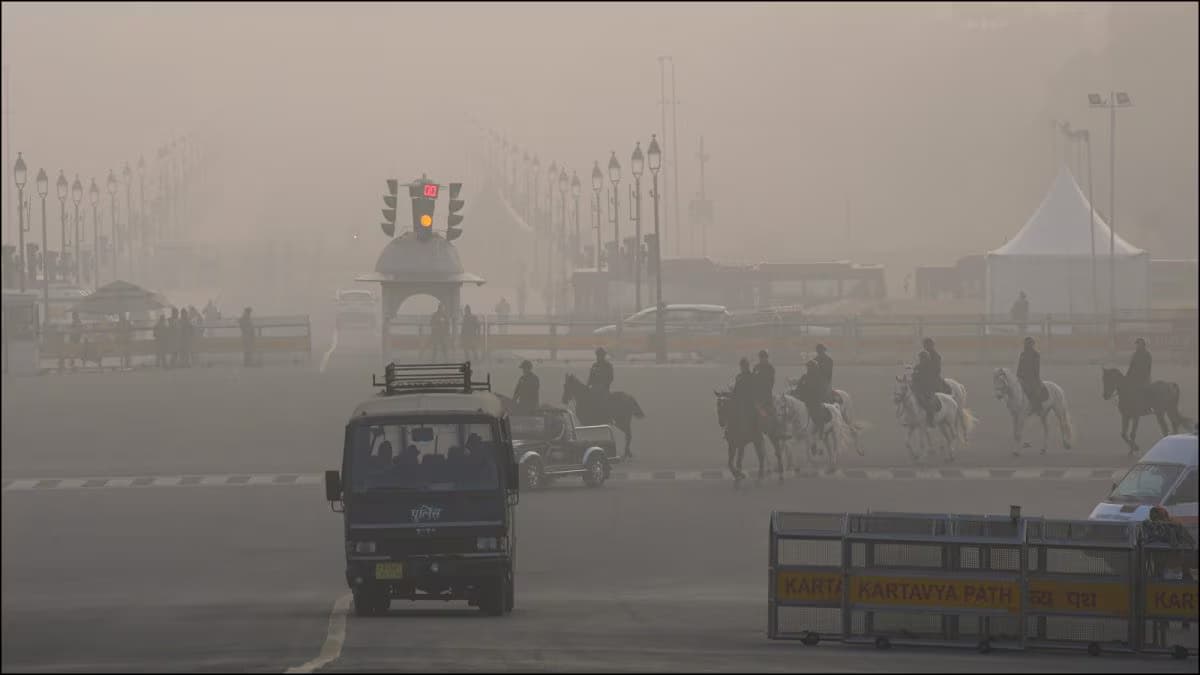
The month of July has concluded with alarming air quality figures for Delhi, marking the worst average pollution levels recorded in six years. This situation presents a striking contradiction, as the same month also experienced a rare day of 'good' air quality. According to data released by the Central Pollution Control Board (CPCB), the average Air Quality Index (AQI) for the national capital during July stood at 119. This figure is particularly concerning when compared to previous years, with only three instances since the CPCB began tracking AQI in 2015 where the July average was higher: 2019 recorded 134, 2016 saw 138, and 2015 had a staggering 146. This year's average marks a significant decline from the notably cleaner air experienced in July of the previous year, which had an average AQI of just 78.
The month was characterized by extreme weather conditions, with rainfall levels surpassing expectations. The Safdarjung weather station reported a total of 254.7 mm of rain, which is 26 percent above the normal monthly average. Despite this surplus rainfall, the air quality did not improve as one might expect. Environmental specialists have pointed out that the uneven distribution of rainfall played a crucial role in this paradox. While heavy downpours temporarily cleared the air, the absence of consistent rainfall allowed pollutants from local traffic and dust to accumulate. This accumulation ultimately resulted in the highest pollution levels recorded for July since 2019, leaving residents grappling with the consequences of deteriorating air quality.