











Reviving a Classic: The Timeless Relevance of 'Compulsion' in True Crime Era
Long before the rise of true crime podcasts and the binge-worthy crime dramas that dominate streaming platforms today, there existed a novel that posed a profou
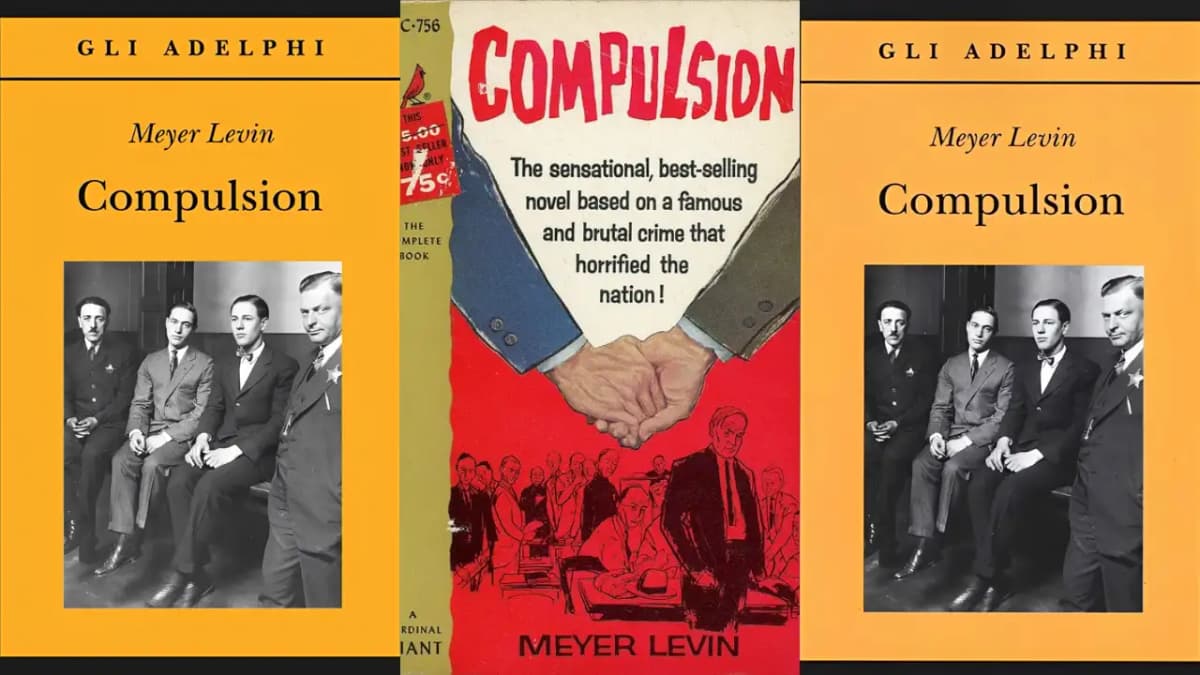
Long before the rise of true crime podcasts and the binge-worthy crime dramas that dominate streaming platforms today, there existed a novel that posed a profound question about morality and privilege. This book, titled 'Compulsion' by Meyer Levin, delves into the unsettling intersection of intelligence, wealth, and the belief that conventional moral standards do not apply to certain individuals. Published in 1956, 'Compulsion' quickly became a bestseller, selling millions of copies worldwide and even inspiring a notable film featuring Orson Welles, Dean Stockwell, and Bradford Dillman. Despite its significant impact on the genre, the novel has largely been overlooked in contemporary discussions about crime literature, which is surprising given its relevance to today’s obsession with infamous criminals and their motivations.
The narrative of 'Compulsion' is rooted in one of the most notorious crimes in American history. In 1924, Nathan Leopold and Richard Loeb, two affluent and exceptionally bright students from the University of Chicago, committed the kidnapping and murder of a 14-year-old boy named Bobby Franks. Their rationale was not driven by financial gain or vengeance; instead, they believed they could execute the perfect crime due to their perceived intellectual superiority. Levin, rather than providing a mere factual recounting of these events, transformed the story into a work of fiction, renaming the central characters Judd Steiner and Artie Straus. This creative choice allowed him to delve deeper into the psychological landscapes of his characters, resulting in a narrative that transcends a typical crime story and evolves into a chilling exploration of ego, obsession, and the perilous implications of viewing oneself as above moral constraints.