



Devshayani Ekadashi: A Tale of Faith and Renewal
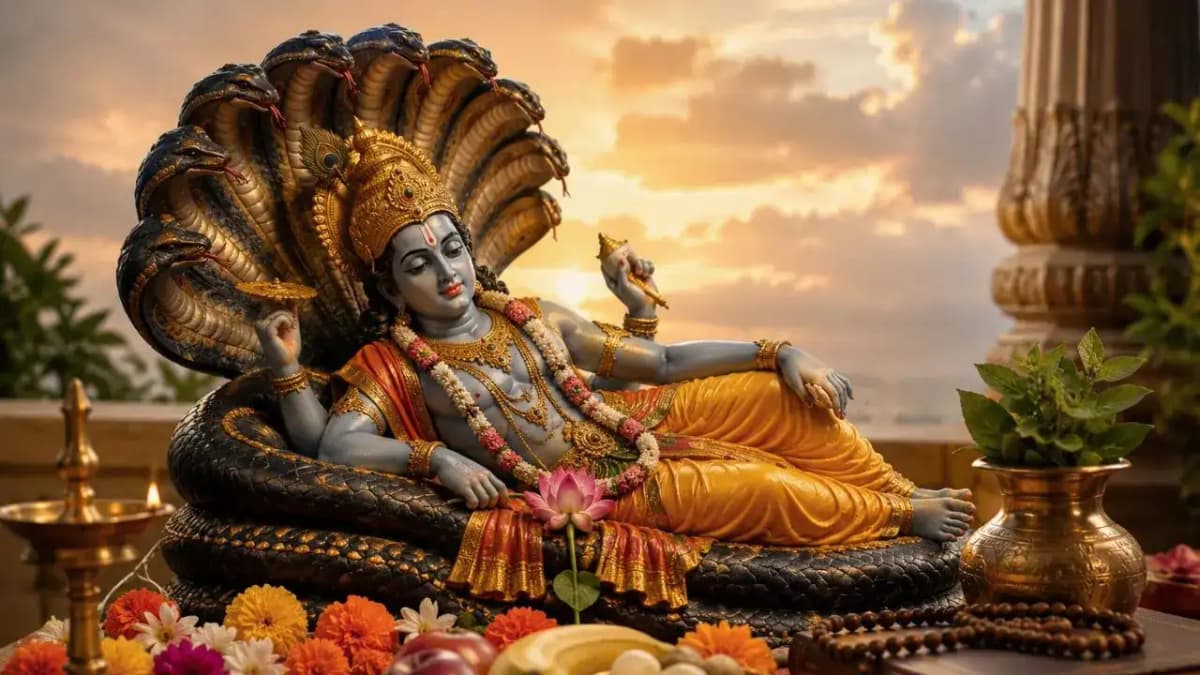
Devshayani ekadashi, also known as ashadhi ekadashi or hari shayani ekadashi, is a pivotal day in the hindu calendar, marking the commencement of chaturmas, a s
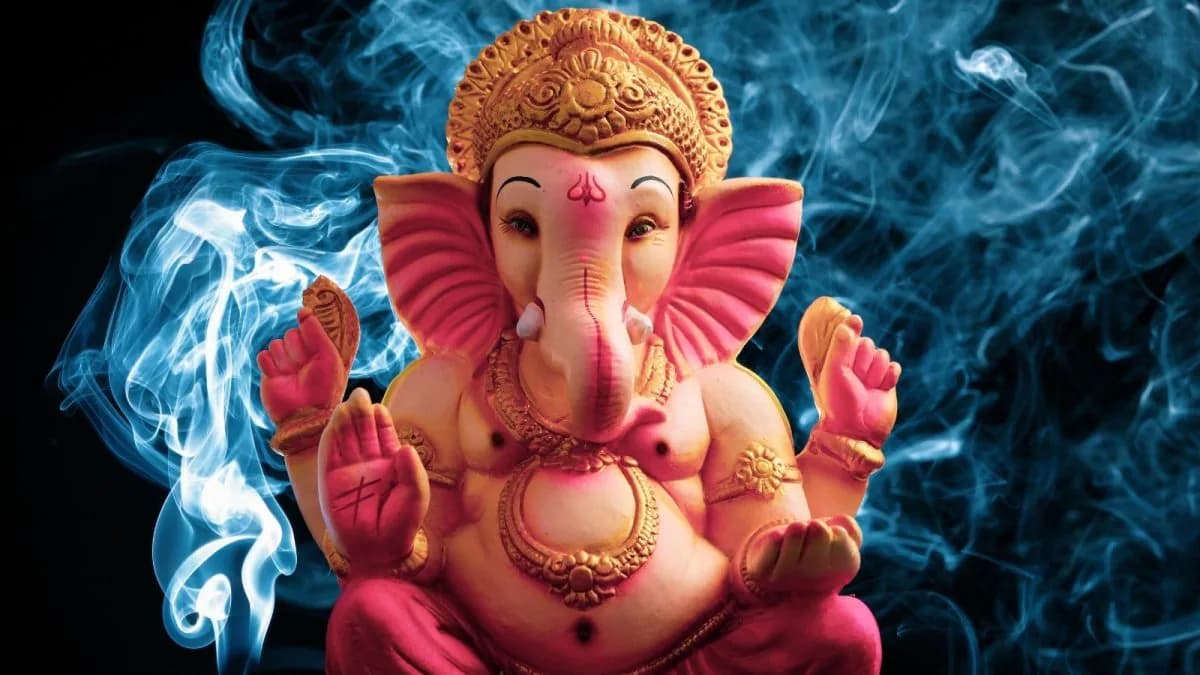
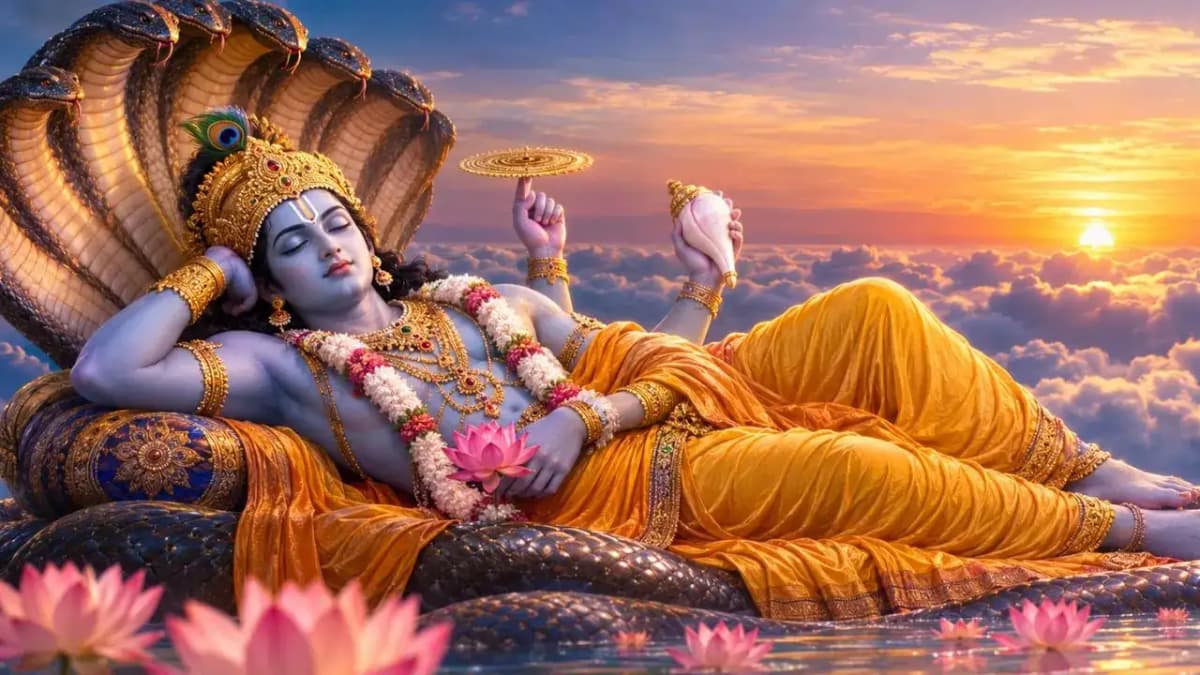
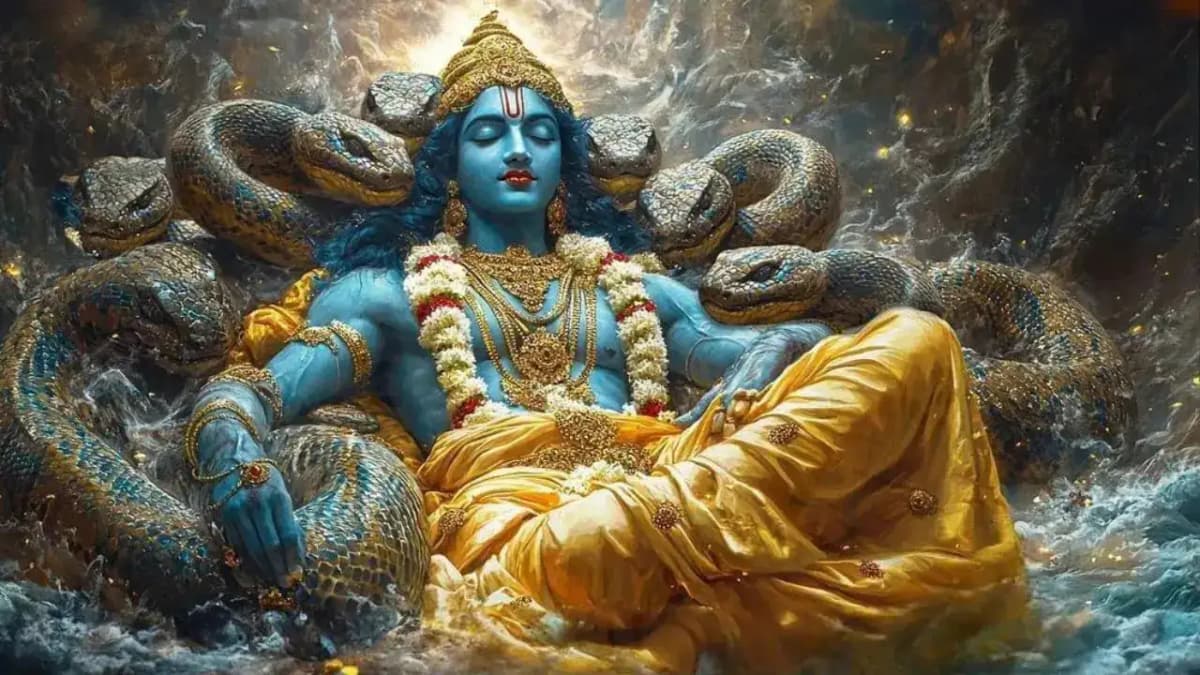
Devshayani Ekadashi, also known as Ashadhi Ekadashi or Hari Shayani Ekadashi, is a pivotal day in the Hindu calendar, marking the commencement of Chaturmas, a sacred four-month period. This time is believed to be when Lord Vishnu enters a state of yogic sleep on the cosmic serpent Sheshnag. Devotees across the globe observe this day with great reverence, participating in fasting and spiritual practices aimed at attaining moksha, prosperity, and inner peace. The significance of this day is deeply rooted in tradition, and many choose to recite the vrat katha, a story that highlights the virtues of devotion and the blessings that follow. The vrat katha associated with Devshayani Ekadashi is derived from the Bhavishya-Uttara Purana, where Lord Krishna narrates the tale to King Yudhishthira, emphasizing the importance of this sacred day. The narrative recounts the life of King Mandhata, a ruler from the Suryavanshi dynasty, known for his honesty and compassion towards his subjects. Under his reign, the kingdom flourished, free from disease and poverty, until a devastating drought struck for three consecutive years, leading to widespread despair among the people. The dire situation left the citizens desperate for relief, prompting them to approach their king for help. In response to their suffering, King Mandhata embarked on a quest into the forest, seeking guidance from a wise sage who could provide a solution to their plight. During his journey, he encountered Sage Angiras, who listened to the king's troubles and revealed that even minor sins could lead to significant consequences during the Satya Yuga. He advised King Mandhata to observe the vrat of Devshayani Ekadashi with utmost devotion, assuring him that such an act would absolve their sins and earn the favor of Lord Vishnu. Taking the sage's counsel to heart, the king returned to his kingdom and, along with his subjects, committed to observing the vrat with sincerity. Their collective faith and devotion moved Lord Vishnu, who blessed the kingdom with abundant rainfall, bringing an end to the drought and restoring prosperity to the land. This tale serves as a powerful reminder of the strength of faith and the importance of devotion in overcoming life's challenges. On Devshayani Ekadashi, chanting mantras dedicated to Lord Vishnu is considered highly auspicious. Devotees are encouraged to recite the mantra "Om Namo Bhagavate Vasudevaya" 108 times, along with the shloka: "Shantakaram Bhujagashayanam Padmanabham Suresham, Vishvadharam Gaganasadrisham Meghavarnam Shubham." The timing of the observance is also crucial; according to Drik Panchang, the Ekadashi tithi will commence at 9:12 AM on July 24 and conclude at 11:34 AM on July 25, 2026. It is essential to adhere to the guidelines regarding the breaking of the fast, particularly avoiding it during the Hari Vasara period, which is the first quarter of Dwadashi Tithi. The preferred time for breaking the fast is during Pratahkal, while it is advisable to refrain from doing so during Madhyahna. This day is not only a spiritual observance but also a celebration of community, faith, and the enduring belief in divine grace.