








PM Modi's Multilingual Approach: Empowering Students Through Language Education
As the national education policy (nep) 2020 marks its sixth anniversary, its flexible language framework is yielding significant results, particularly in founda
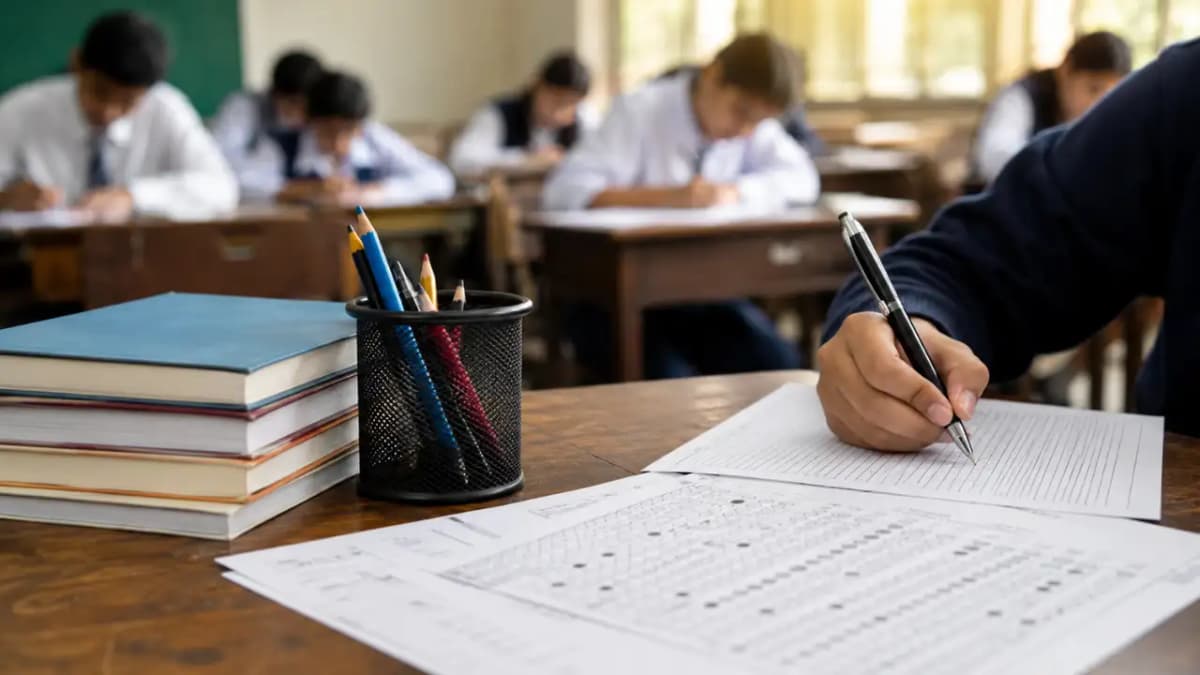
As the National Education Policy (NEP) 2020 marks its sixth anniversary, its flexible language framework is yielding significant results, particularly in foundational literacy among students. The latest data reveals that the percentage of Class 3 students in government schools who can read a simple Class 2 passage has increased from 16% to over 23%. This remarkable improvement is the highest recorded by the Annual Status of Education Report since its inception in 2005, showcasing a notable shift in the performance of state schools, which have surpassed private institutions in this regard. The NEP's core philosophy emphasizes teaching children in their native languages, a strategy that is now demonstrating its effectiveness.
The progress observed in Class 3 literacy is not an isolated achievement. For Class 5 students in government schools, the percentage of those reading at a Class 2 level rose from 38.5% in 2022 to 44.8% in 2024. Additionally, the number of students capable of performing basic subtraction increased from 25% to 33%. This trend of improvement across various grades indicates that state schools are advancing at a faster pace than their private counterparts, a reversal of fortunes that would have seemed unlikely just a decade ago. Much of this progress can be attributed to the NIPUN Bharat initiative, launched in 2021, which aims to achieve universal foundational literacy and numeracy by the academic year 2026-27. This program has encouraged states to focus on early education through the lens of reading and mathematics in students' home languages, with substantial financial support directed towards teacher training and educational resources.