





Student Protests Reflect Deep-Seated Job Concerns Beyond Social Media Glitz
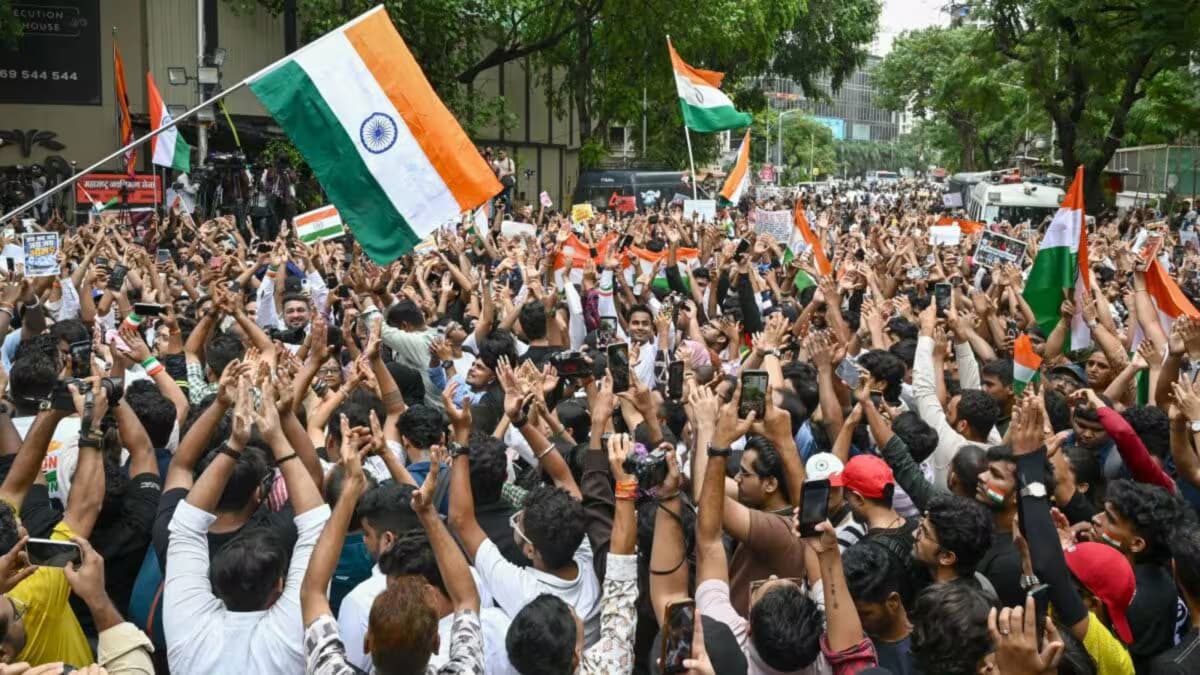
Recent student protests in india have sparked significant discourse, revealing a complex tapestry of motivations that extend beyond the surface-level portrayal
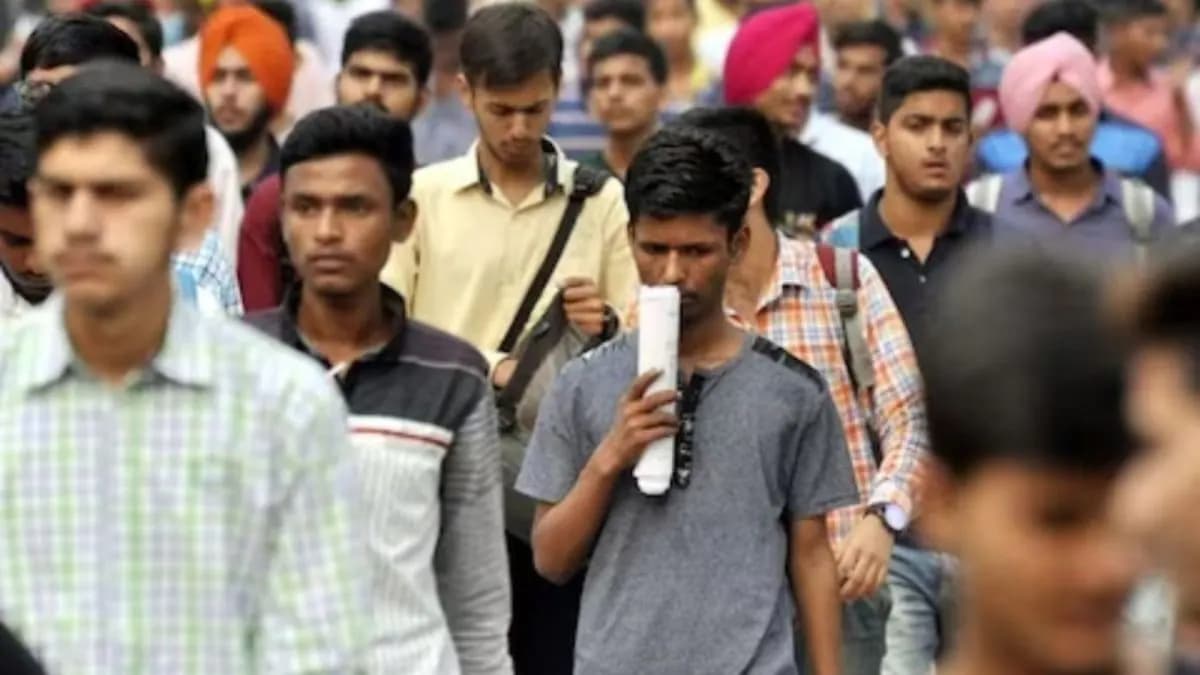
Recent student protests in India have sparked significant discourse, revealing a complex tapestry of motivations that extend beyond the surface-level portrayal often seen on social media platforms like Instagram. While many observers might have perceived the movement as a spectacle driven by affluent urban youth and influencers, the reality at the protest site in Jantar Mantar painted a different picture. A viral placard stating, 'It’s so bad that even the privileged are here,' along with videos featuring celebrities such as Huma Qureshi and Swara Bhaskar, may have contributed to this perception. However, the majority of the protesters hailed from smaller cities across states like Uttar Pradesh, Maharashtra, and Punjab, with many expressing their frustrations in Hindi rather than English, indicating a more grassroots origin to the movement.
Interviews with participants revealed a significant undercurrent of caste-related grievances, particularly among upper-caste individuals who felt increasingly marginalized in the job market. Many of those who took to the streets were either unemployed or engaged in low-paying jobs, voicing concerns that the existing reservation system favored other communities, leaving them at a disadvantage. This sentiment is echoed in official statistics from the Periodic Labour Force Survey (PLFS) Annual Report 2025, which highlights a higher unemployment rate among the 'Others' category, which includes upper-caste individuals. The unemployment ratio for this group was reported at 1.11, compared to lower rates for Scheduled Castes (1.07), Other Backward Classes (0.94), and Scheduled Tribes (0.80). Furthermore, the report indicated that this category also had the highest percentage of individuals outside the labor force, further emphasizing their struggles in the current economic landscape.