






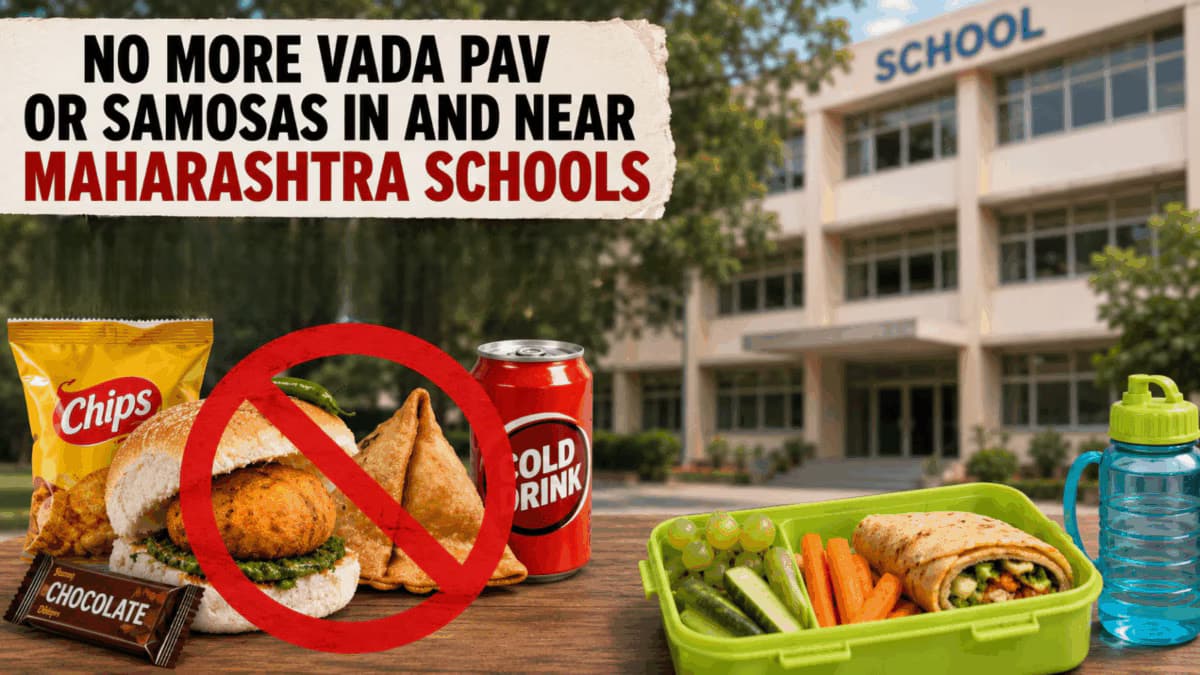
Maharashtra's FDA Bans Unhealthy Foods Near Schools to Promote Child Health
In a significant initiative aimed at combating unhealthy eating habits among children, the maharashtra food and drug administration (fda) has enacted a ban on t
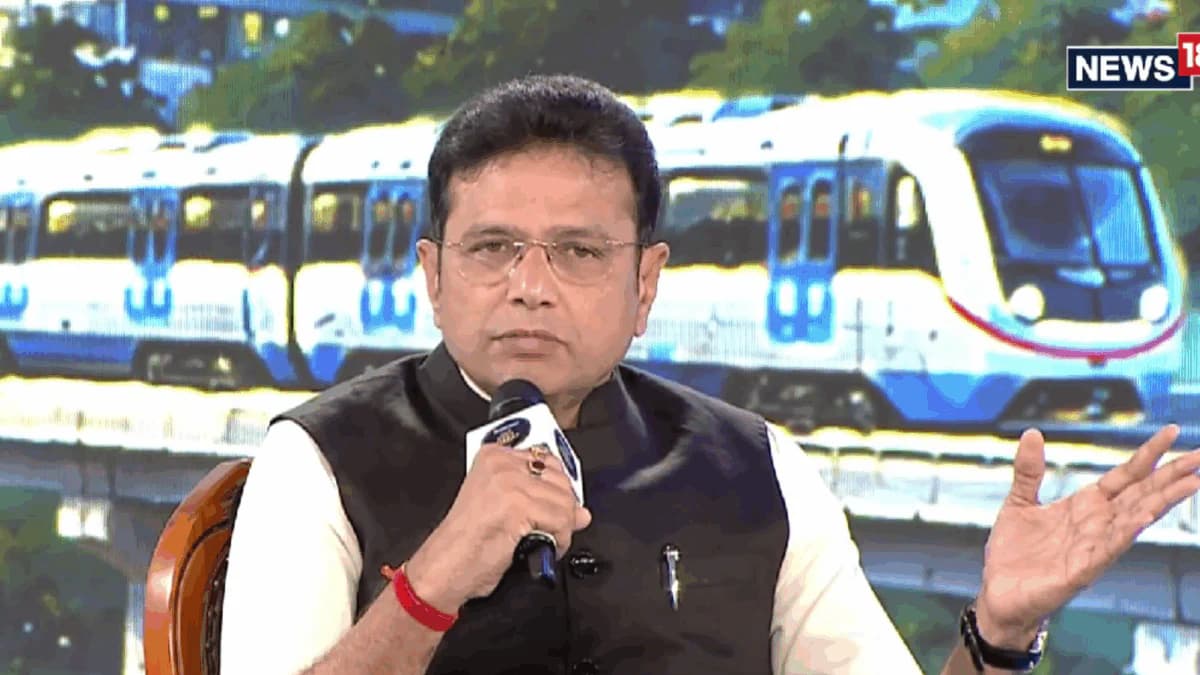
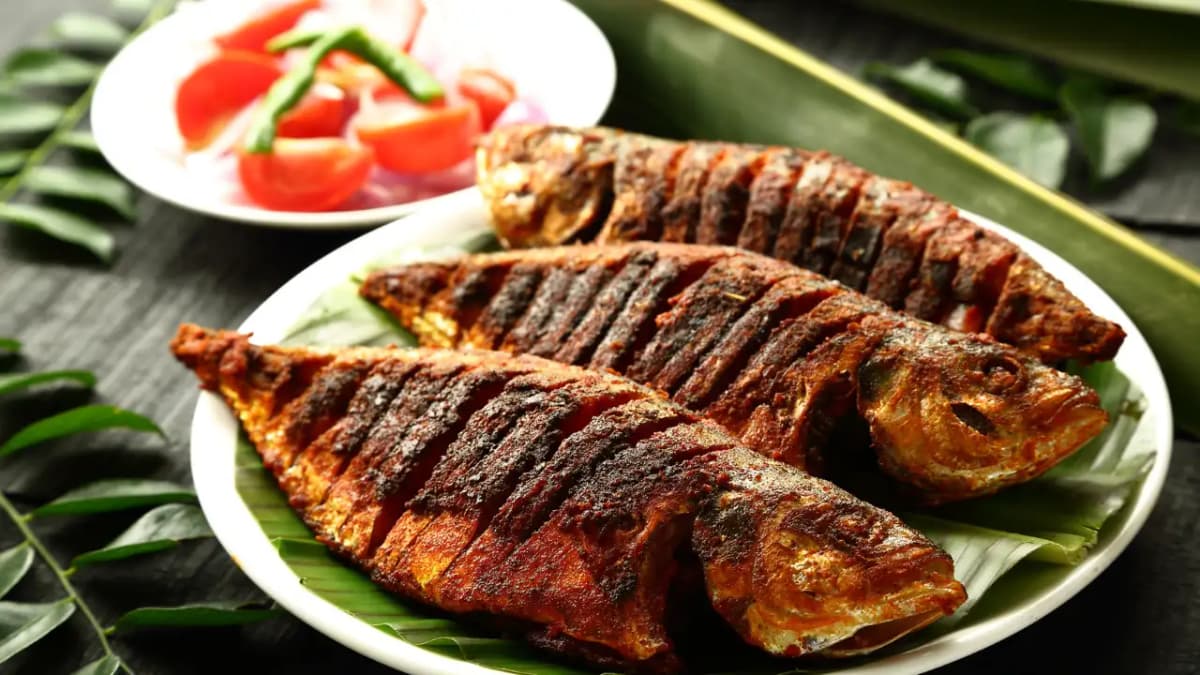
In a significant initiative aimed at combating unhealthy eating habits among children, the Maharashtra Food and Drug Administration (FDA) has enacted a ban on the sale, distribution, and advertising of high fat, sugar, and salt (HFSS) foods within school premises and a 50-meter radius around them. This directive, announced by FDA Commissioner Tukaram Mundhe, specifically targets popular snacks such as vada pav, samosas, deep-fried items, chips, sugary drinks, chocolates, and ice cream. The regulation is applicable to all educational institutions across the state, including government, private, and residential schools, impacting approximately 1.08 lakh schools and nearly 20 million students. The aim is to foster a healthier food environment for children, who are often influenced by the availability of junk food during their school hours.
Under the new regulations, school canteens and food vendors are required to obtain valid licenses from the Food Safety and Standards Authority of India (FSSAI). They must also display food safety information prominently and appoint supervisors to oversee compliance with the guidelines. The FDA has warned that any violations of this order could result in severe penalties, including suspension of licenses and fines, as well as actions under the Food Safety and Standards Act. The overarching goal of this initiative is to limit children's exposure to HFSS foods, which are typically high in calories but low in nutritional value, thereby encouraging healthier eating habits among students. Public health experts have emphasized the importance of reducing impulsive purchases of unhealthy snacks during school hours, as schools serve as a critical environment where children spend a significant amount of their time.