







Three Fish to Avoid During Monsoon for Better Health
As the monsoon season sets in, it brings with it the delightful aroma of steaming chai and the crunch of crispy pakoras, alongside a heightened craving for seaf
As the monsoon season sets in, it brings with it the delightful aroma of steaming chai and the crunch of crispy pakoras, alongside a heightened craving for seafood among many coastal communities. However, if you're contemplating including fish in your meals during this rainy season, it’s advisable to exercise caution and make informed choices. Social media platforms are rife with recommendations urging individuals to steer clear of specific fish during the monsoon months. While the suggestions may differ based on geographical location, the reasoning behind these recommendations is rooted in scientific understanding rather than mere culinary tradition. Marine biologists and fisheries specialists highlight that numerous commercially significant fish species engage in breeding activities during the monsoon, and harvesting them in large quantities can jeopardize future populations and threaten the sustainability of fisheries in the long run.
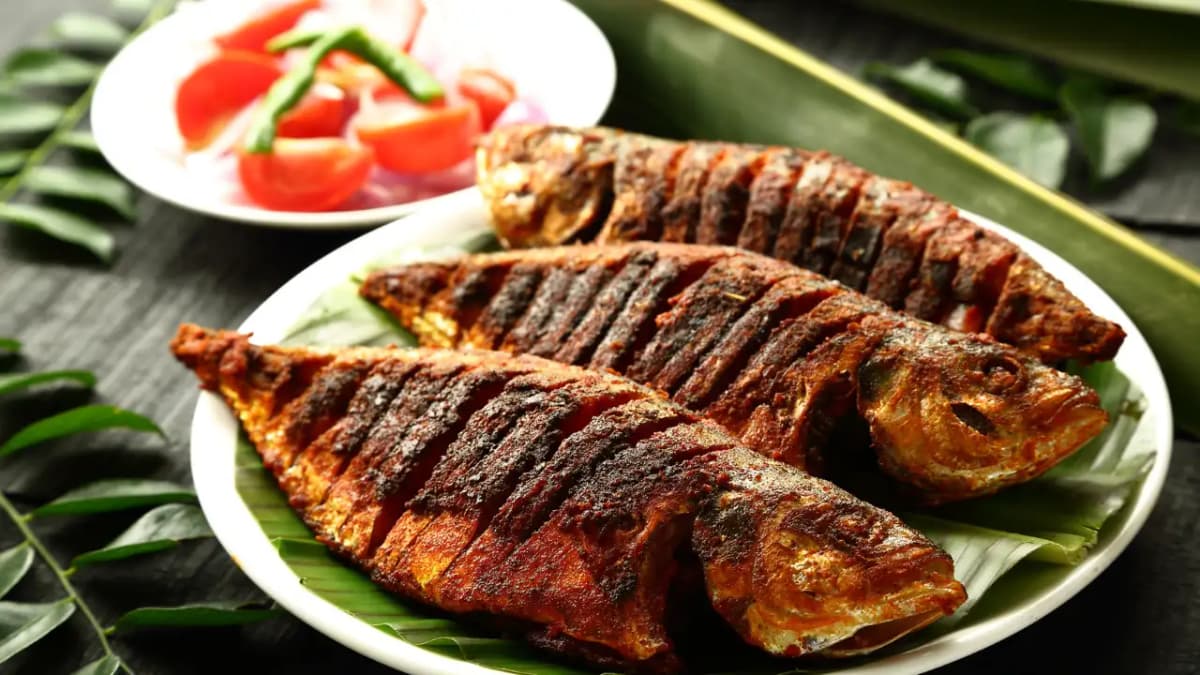
Among the fish often advised to be avoided during this period is the Indian mackerel, a staple and affordable choice for many, particularly along the western coastline of India. The monsoon season coincides with a critical phase in the reproductive cycle of this fish. Studies indicate that the favorable conditions during the monsoon facilitate spawning and the survival of young mackerel. Consequently, many juvenile mackerel become susceptible to capture before they have had the opportunity to mature. By opting to refrain from consuming mackerel for a few weeks during its breeding season, consumers can help alleviate the pressure on this species and contribute to healthier fish populations in the future. Another fish to consider avoiding is the Indian oil sardine, which is particularly popular during the monsoon months. This species is heavily reliant on seasonal conditions for successful breeding and recruitment. The ICAR-Central Marine Fisheries Research Institute (CMFRI) has consistently emphasized the necessity of allowing juvenile sardines to mature in their natural habitat before they are harvested. Protecting these young fish is crucial for sustaining fisheries and the livelihoods that depend on them. If you happen to find very small sardines available in the market during this time, experts advise against purchasing them and instead suggest opting for mature, sustainably sourced seafood.