





Israel's Settlements Challenge Europe's Commitment to Peace
The ongoing issue of israeli settlements in the occupied palestinian territories has emerged as a significant challenge to the credibility of europe, particular
The ongoing issue of Israeli settlements in the occupied Palestinian territories has emerged as a significant challenge to the credibility of Europe, particularly at the level of the European Union (EU) and its member states. This situation raises critical questions about the EU's genuine commitment to resolving the Israeli-Palestinian conflict and achieving a sustainable peace. Since the Nakba in 1948, human rights violations have persisted, escalating in recent years into what many describe as a genocidal campaign and ethnic cleansing, particularly evident in Gaza. Policymakers within the EU now face a pressing dilemma: are they truly dedicated to the two-state solution they frequently advocate, which necessitates a complete end to the occupation and its associated practices? The urgency of this inquiry has been amplified following the release of the European External Action Service's (EEAS) annual report for 2025 on July 17, 2026. This document meticulously outlines how the construction of settlements is not merely a demographic strategy but part of a broader Israeli political agenda. This agenda encompasses various elements, including the establishment of new settlements, the legalization of outposts, land confiscation, settler violence, and alterations to administrative systems. The report characterizes these actions as an accelerated move towards de facto annexation, further diminishing the prospects for a viable Palestinian state. According to the EU's own standards, such findings should prompt the authors to recommend deterrent measures against these unlawful activities.
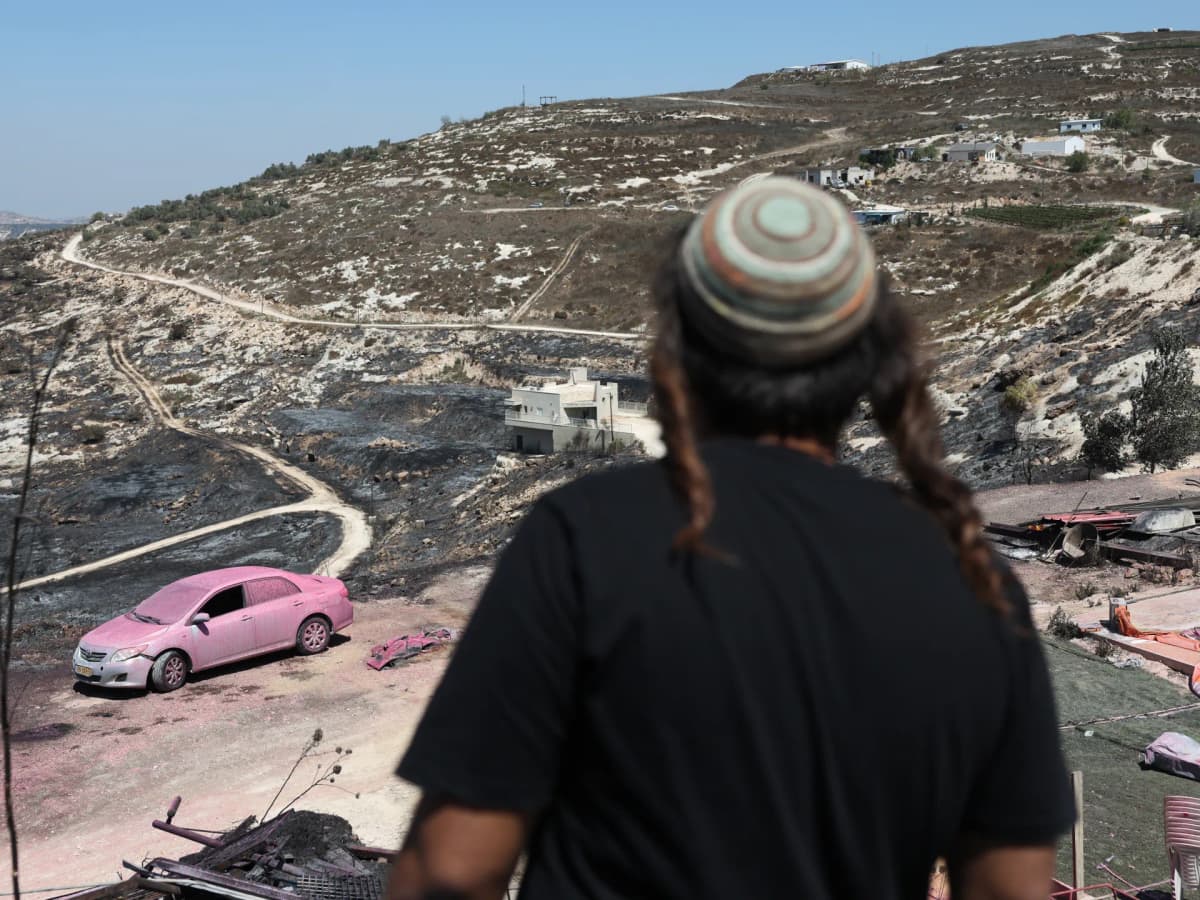
The report highlights alarming Israeli actions that, under any reasonable interpretation, constitute blatant violations of Palestinian rights. In 2025 alone, the Israeli government sanctioned the establishment of 54 new settlements in the occupied West Bank, excluding East Jerusalem, marking an unprecedented escalation in settlement activity within a single year. Additionally, 86 new settlement outposts were established, including 58 designated for agricultural and pastoral purposes. Plans for a staggering 63,311 housing units were recorded, with 27,941 in the West Bank and 35,370 in East Jerusalem, representing a dramatic increase compared to previous years. The EEAS warns that the logical outcome of this extensive settlement project is the fragmentation of the West Bank, leading to the isolation of East Jerusalem and the confinement of Palestinian communities to encircled enclaves. This scenario poses a significant threat to the establishment of a Palestinian state, which remains central to the EU's framework for conflict resolution. Since the 1967 Arab-Israeli war, European leaders have frequently reiterated the importance of the two-state solution as the foundation for ending the conflict.