
Modi Embraces Digital Strategy to Engage Gen Z Voters
For many years, the standard approach to political communication in india was characterized by a sense of formality, polished studio lighting, and a build-up of
For many years, the standard approach to political communication in India was characterized by a sense of formality, polished studio lighting, and a build-up of anticipation from the public. When the Prime Minister addressed the nation, it was usually through a meticulously crafted televised announcement, typically scheduled for around 8 or 8:30 PM. This format was particularly evident during significant events, such as the 2016 demonetization announcement and the addresses made during the COVID-19 pandemic, where the formal atmosphere and authoritative delivery captured the attention of millions who gathered around their television sets.
However, the landscape of media consumption has undergone a profound transformation. The demographic that political strategists are now keen to engage—Generation Z—does not engage with traditional 8 PM television broadcasts. Instead, they prefer to consume information through quick, 15-second vertical video clips, dynamic visual storytelling, and content that is curated by algorithms on their social media feeds. This shift in media consumption habits has prompted a reevaluation of how political messages are delivered to resonate with younger audiences.
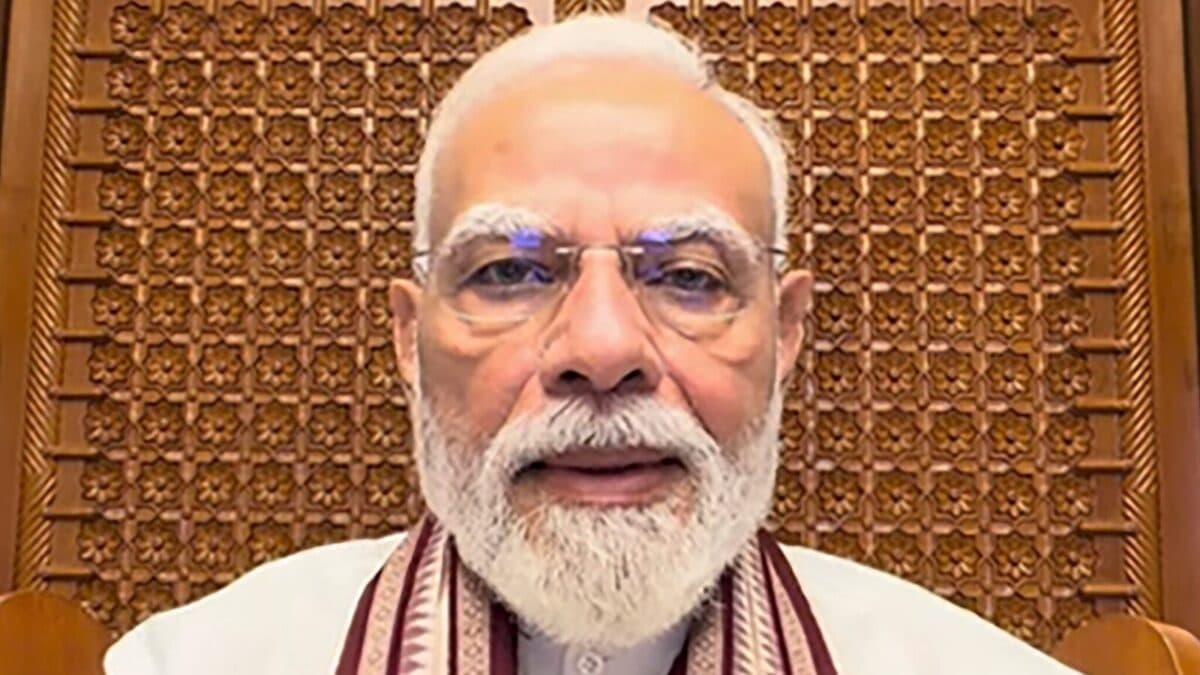
The Prime Minister's release of a brief, under-three-minute selfie-style video at 11:52 PM on a Thursday night marked a significant strategic shift in political communication. By addressing viewers directly through a front-facing camera held at arm's length, the Prime Minister opted to bypass conventional broadcast methods. This move was not merely a one-off experiment but rather a part of a broader governmental strategy to adapt to the digital age. Following the video's viral success, cabinet ministers were instructed to move away from traditional press releases and enhance their visibility on platforms like Instagram. They are now encouraged to produce vertical video reels, engage with interactive features, and communicate in a conversational tone aimed at young citizens. The overarching objective is to establish a digital-first communication strategy across all government ministries. While the use of a selfie-style video to address issues like exam malpractice may capture the attention of an audience with fleeting attention spans, it also raises concerns about the depth of public discourse. Critics argue that such informal video formats cannot replace the necessity of parliamentary debates or direct press interactions. Nevertheless, the underlying message is clear: governance today extends beyond mere policy-making; it is increasingly about achieving visibility in an algorithm-driven world. By transitioning from traditional podium speeches to engaging handheld video content, political communication has entered a new phase where success hinges on the ability to capture attention in a fast-paced digital environment.