






Saudi Arabia's Strategic Shift Towards Nuclear Energy Investment
At first glance, the decision by saudi arabia to invest heavily in nuclear energy may appear paradoxical. the nation, known as the world's foremost exporter of
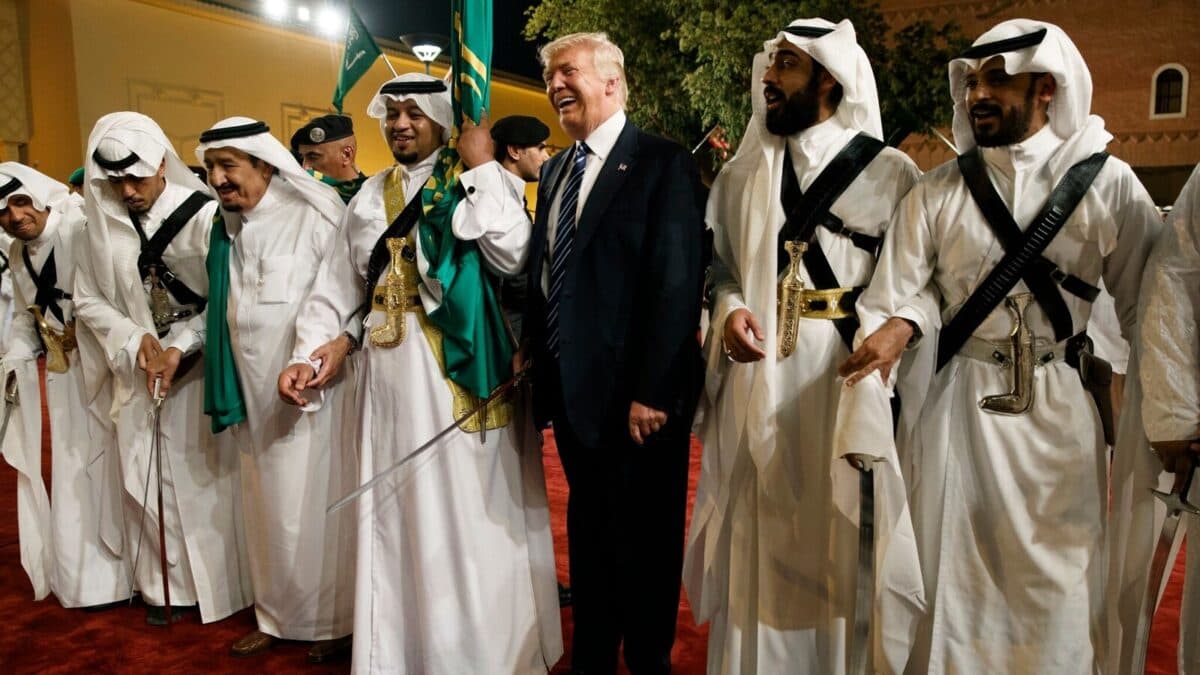
At first glance, the decision by Saudi Arabia to invest heavily in nuclear energy may appear paradoxical. The nation, known as the world's foremost exporter of crude oil and endowed with extensive fossil fuel reserves, is now actively pursuing the development of civilian nuclear power. This strategic move is underscored by a significant 30-year civil nuclear cooperation agreement recently established with the United States, highlighting the Kingdom's serious commitment to harnessing atomic energy for its future needs.
This initiative is not merely an extravagant venture; it is a pressing economic and strategic imperative for Riyadh. The Kingdom's pursuit of civil nuclear capabilities is driven by the necessity to secure its long-term financial stability and enhance its geopolitical influence. The primary motivator behind Saudi Arabia's nuclear aspirations is rooted in economic calculations. For many years, the country has been consuming vast quantities of its own crude oil and natural gas to meet domestic electricity demands and to power energy-intensive desalination plants crucial for providing potable water to its population of over 35 million. Each barrel of oil used for domestic energy consumption is a barrel that could have been sold on the global market, thus reducing potential revenue. By transitioning its energy production from fossil fuels to nuclear and renewable sources, Saudi Arabia aims to liberate substantial amounts of crude oil for export, thereby maximizing state revenues to support its ambitious Vision 2030 economic reform plan.