


New US Sanctions Bill Could Lead to High Tariffs on India and China
A significant new sanctions package aimed at russia has successfully passed an initial vote in the united states senate, potentially leading to substantial tari
A significant new sanctions package aimed at Russia has successfully passed an initial vote in the United States Senate, potentially leading to substantial tariffs on nations like India and China that continue to import oil from Russia. This legislation, known as the 'Lindsey O Graham Sanctioning Russia Act of 2026,' was advanced with overwhelming support, receiving a vote of 86 in favor and 12 against. The bill is named in honor of the late Senator Lindsey Graham, a prominent advocate for Ukraine, who passed away earlier this month. His funeral was attended by various world leaders, including Israeli Prime Minister Benjamin Netanyahu, highlighting the bill's international significance. Following its Senate approval, the legislation will now move to the House of Representatives, where it will undergo further examination, although the House is currently in recess for the summer.
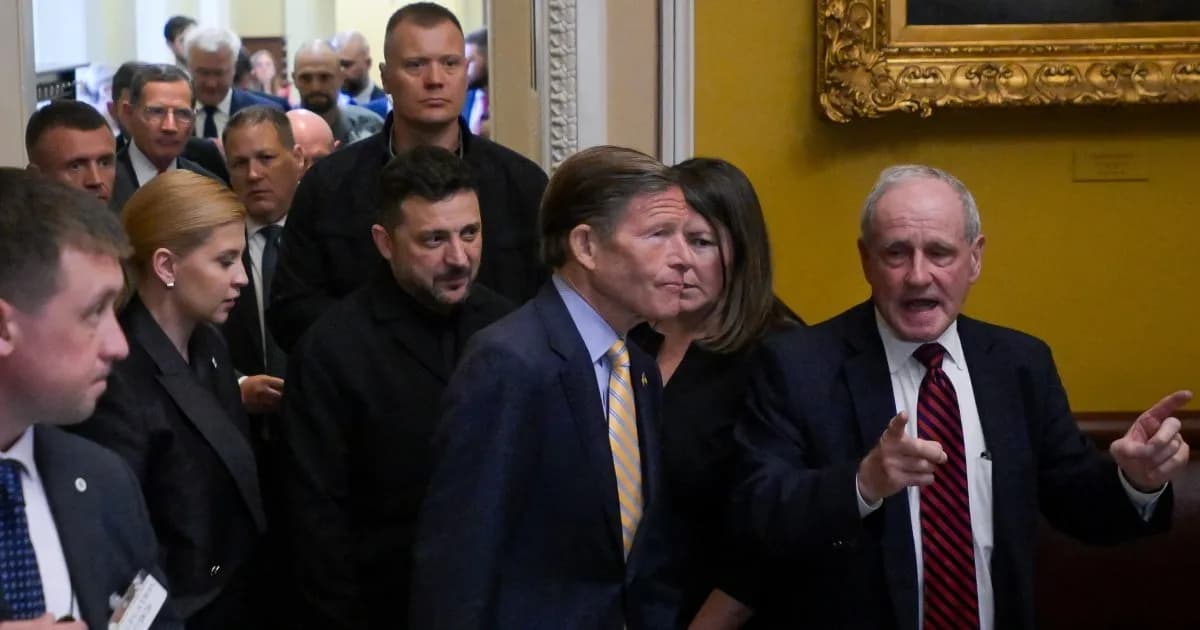
During the Senate proceedings, Ukrainian President Volodymyr Zelenskyy expressed his gratitude for the support shown towards the bill, emphasizing its importance in the ongoing conflict with Russia. He noted the significance of the Senate's overwhelming backing, stating that it represents a crucial step toward implementing Graham's vision for peace and stability in the region. However, the bill's journey is not without complications. President Donald Trump has called for amendments to include tariffs on Iranian oil, which could complicate bipartisan support. Analysts suggest that this addition may deter some Democrats from backing the bill, as they are concerned about the implications of expanding tariff powers beyond Russia to include Iran, particularly as it relates to China, a major buyer of Iranian oil.

The proposed sanctions and tariffs are designed to cripple Russia's economic capacity to sustain its military operations in Ukraine. Key features of the legislation include new sanctions targeting Russian President Vladimir Putin and over twenty officials and companies linked to the Russian defense sector. Furthermore, the bill aims to disrupt Russia's oil export operations by targeting its fleet of oil tankers and the networks that facilitate sanctions evasion. The president would be empowered to impose tariffs of up to 100% on imports from the top five countries purchasing Russian energy or military supplies. Additionally, tariffs of up to 500% could be levied on direct imports from Russia. This legislation poses a significant challenge for nations like India and China, which are among the largest consumers of Russian energy. As India attempts to reduce its reliance on Russian oil, it has sought and received waivers from US sanctions, a strategy that may continue as it navigates the complexities of energy security and potential tariffs. Critics of the bill, including Senator Maggie Hassan, argue that it grants excessive power to the president and could adversely affect American consumers and businesses. The US Chamber of Commerce has also voiced concerns, stating that the economic burden of tariffs will ultimately fall on American consumers, echoing warnings from previous tariff implementations. As this legislation progresses, its implications for international relations and global energy markets will be closely monitored.