
Sonam Wangchuk Concludes 26-Day Hunger Strike: Medical Insights on Refeeding
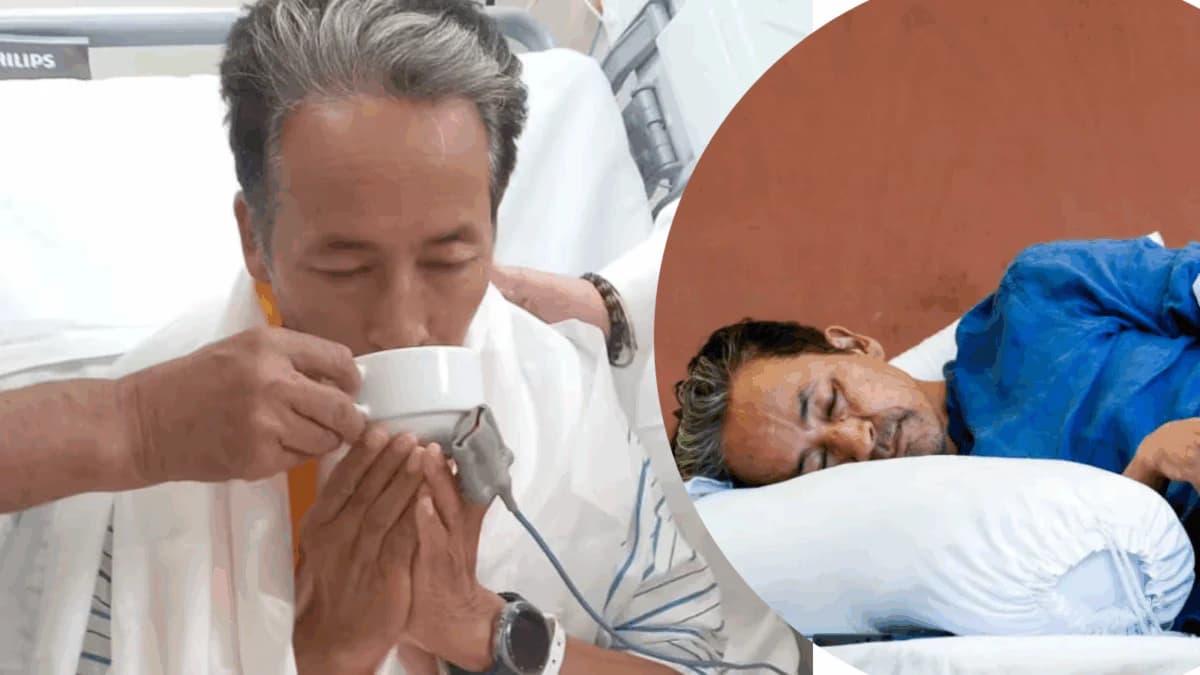
Sonam wangchuk, a prominent activist, has recently concluded a 26-day hunger strike, which was marked by extensive negotiations with government officials regard
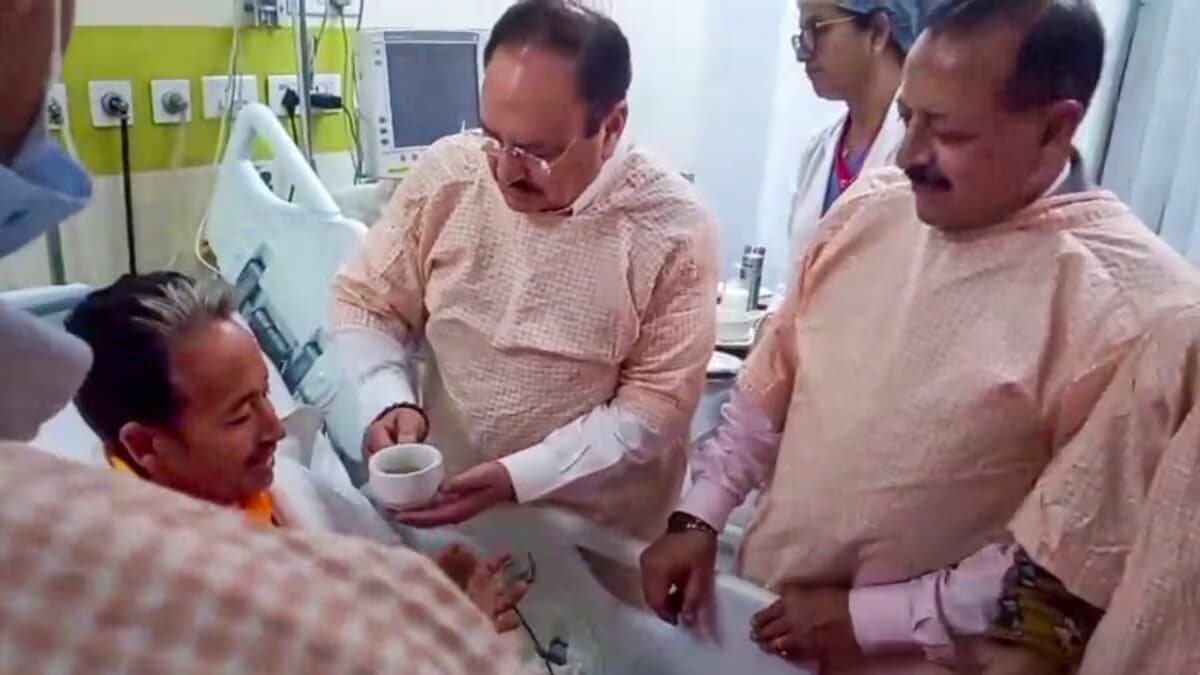
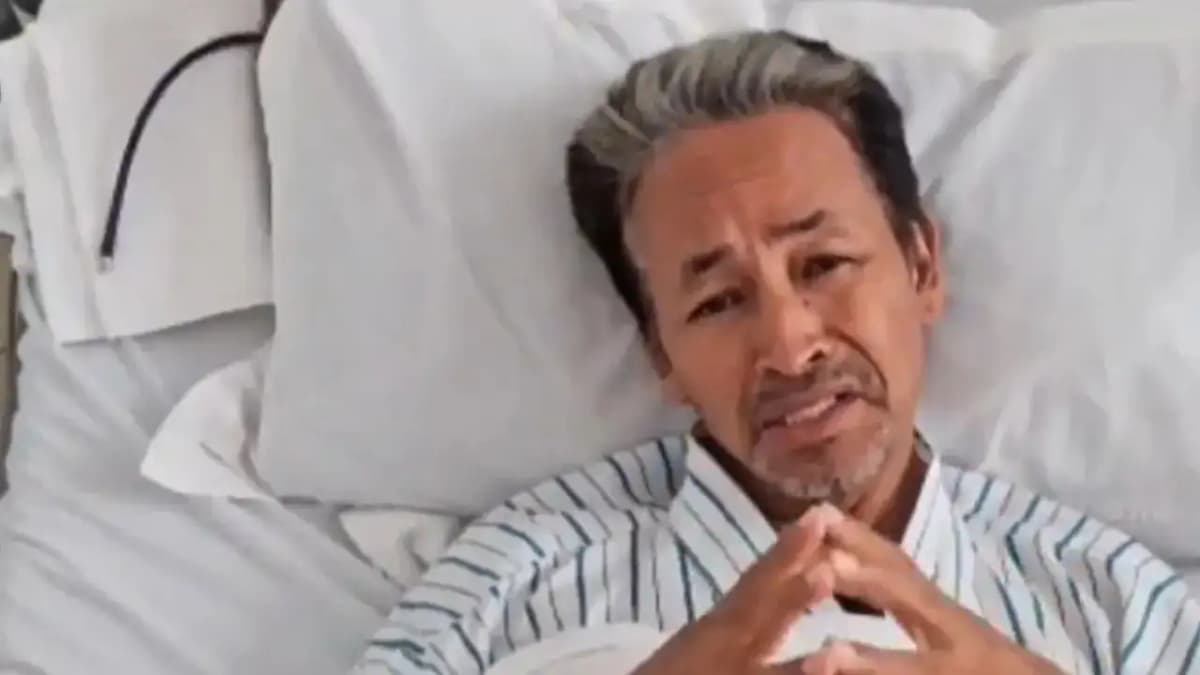
Sonam Wangchuk, a prominent activist, has recently concluded a 26-day hunger strike, which was marked by extensive negotiations with government officials regarding student concerns related to the NEET paper leak. The culmination of his fast took place at Medanta Hospital in Gurugram, where he was surrounded by senior Union Ministers JP Nadda and Jitendra Singh. The conclusion of such a prolonged hunger strike is not merely a matter of returning to normal eating habits; it involves a complex medical process that requires careful consideration and planning. After an extended period of fasting, the body undergoes significant physiological changes, including a slowdown in digestive functions and alterations in electrolyte balance. These changes necessitate a gradual reintroduction of nutrition to avoid overwhelming the body and triggering potentially life-threatening complications.
Medical professionals emphasize that breaking a fast should be approached with caution. The initial intake of food must be meticulously managed to ensure the body can safely transition back to normal functioning. According to Dr. Rajeev Chowdry, the Director of Internal Medicine at Yatharth Super Speciality Hospital in Faridabad, the first step after a prolonged fast does not involve a traditional meal. Instead, patients are typically given small amounts of fluids that are easily tolerated, which can include water or oral rehydration solutions, tailored to the individual's specific health status. This careful approach is crucial, as the digestive system requires time to adapt after weeks of minimal intake.