






Supreme Court Questions Bihar Minister's Continued Tenure Without Election
The supreme court of india has raised significant concerns regarding the tenure of deepak prakash, the bihar panchayati raj minister, who has been serving witho
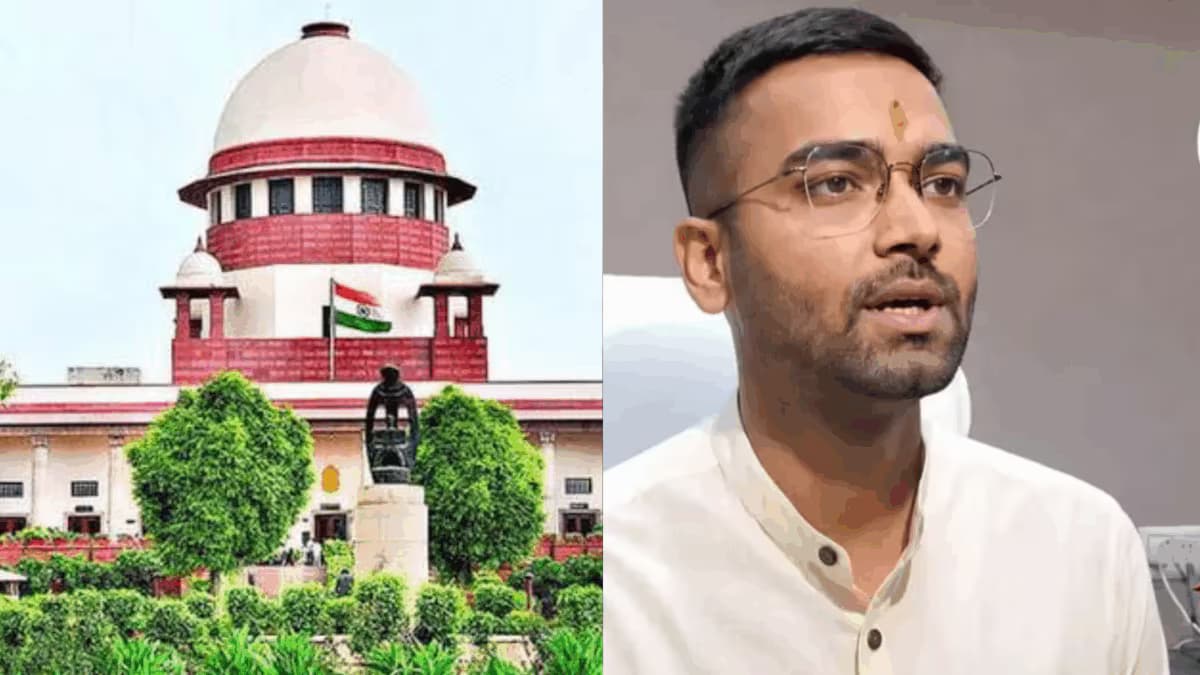
The Supreme Court of India has raised significant concerns regarding the tenure of Deepak Prakash, the Bihar Panchayati Raj Minister, who has been serving without being elected to the state legislature for over six months. During a recent hearing, the court demanded an explanation from the Bihar Government about how a minister can maintain their position beyond the constitutionally mandated timeframe without securing an election. Chief Justice Surya Kant, leading the bench, emphasized that this matter constitutes a straightforward legal question, necessitating a clear justification from the state regarding Prakash's continued service in the absence of an electoral mandate. The court's inquiry underscores the importance of adhering to constitutional provisions that govern the appointment and tenure of ministers in the state.
The Supreme Court's scrutiny arises from a petition challenging the legality of Prakash's ongoing ministerial role under Article 164(4) of the Indian Constitution. This article stipulates that a minister who is not a member of the state legislature must be elected within a six-month grace period to retain their position. The petition contends that Prakash's reappointment, following his initial tenure that began on November 20, 2025, and ended on April 15, 2026, represents a misuse of this grace period. After a brief hiatus, Prakash was reinstated on May 7, 2026, under the new government led by Chief Minister Samrat Choudhary, despite not having been elected. The petitioners argue that such actions undermine the principles of representative democracy and circumvent constitutional safeguards designed to ensure accountability and legitimacy in governance.