









India's Gaganyaan Mission Advances Towards Human Spaceflight
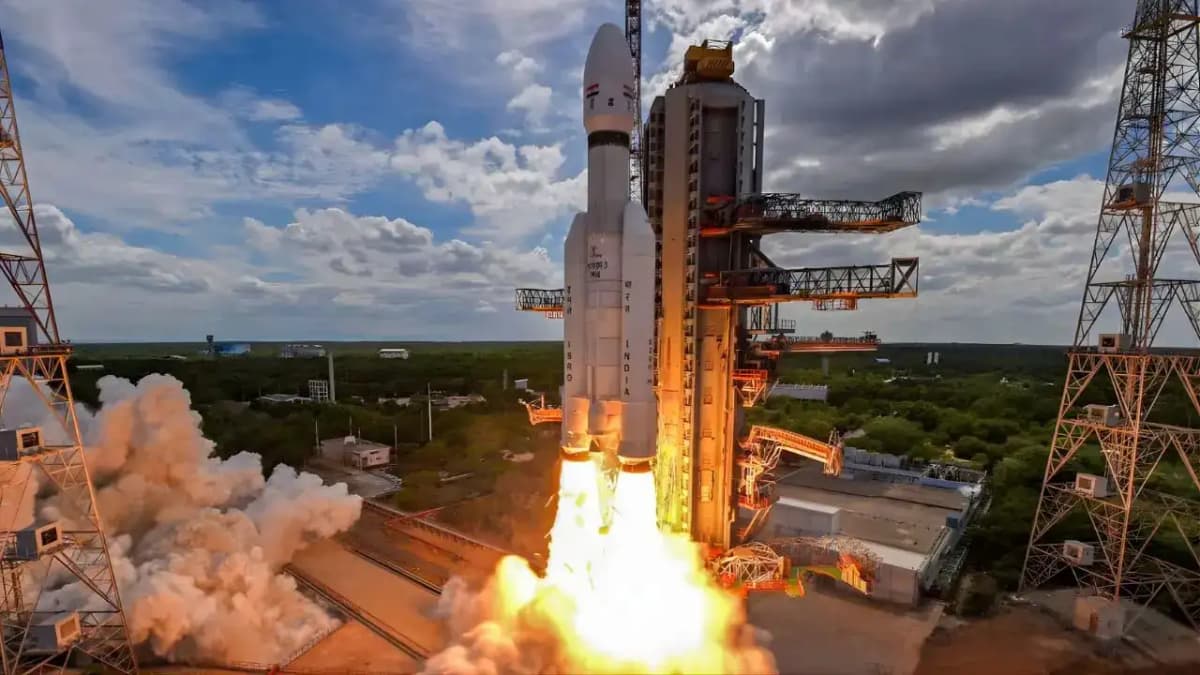
India's ambitious gaganyaan mission, aimed at launching its first human spaceflight, is making significant strides, as reported by the government to parliament.
India's ambitious Gaganyaan mission, aimed at launching its first human spaceflight, is making significant strides, as reported by the government to Parliament. The Indian Space Research Organisation (ISRO) has announced that the program has achieved several critical milestones, with essential launch systems, spacecraft components, and mission infrastructure either completed or nearing completion. This update comes as preparations for the initial uncrewed Gaganyaan mission continue to progress, paving the way for the eventual flight of astronauts. This article delves into the latest developments regarding the Gaganyaan mission and their implications for India's aspirations in space exploration.
In a detailed response to the Lok Sabha, Dr. Jitendra Singh, the Union Minister of State for the Prime Minister's Office and other portfolios, shared insights on the ongoing preparations for the uncrewed G1 mission. He emphasized that the development of the Human Rated Launch Vehicle (HLVM3) has reached a significant milestone, with all propulsion stages and structural systems having undergone successful ground testing. This rocket has been meticulously engineered to ensure the safe transport of astronauts into orbit. Additionally, progress has been made on the Orbital Module, which encompasses both the Crew Module and the Service Module. The propulsion systems for these modules have been developed, tested, and validated, showcasing ISRO's commitment to safety and reliability. Furthermore, ISRO has successfully tested several key technologies, including the Environmental Control and Life Support System (ECLSS), thermal protection systems, deceleration systems, and the Crew Module uprighting system, all of which are crucial for the success of the mission.