









Egg Boiler or Microwave: Which is the Superior Choice for Cooking Eggs?
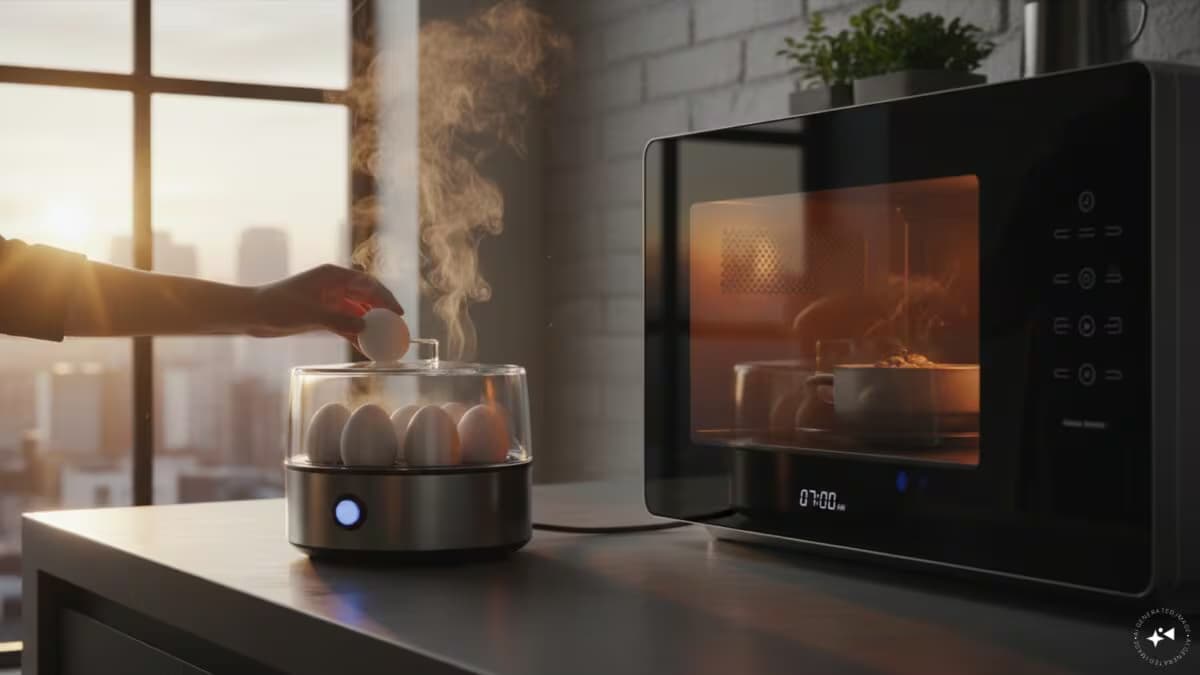
For many individuals, boiled eggs represent a quick and satisfying meal option. they serve as a convenient breakfast for busy mornings, a nutritious snack after
For many individuals, boiled eggs represent a quick and satisfying meal option. They serve as a convenient breakfast for busy mornings, a nutritious snack after workouts, or a meal prep staple that can be stored in the refrigerator for later use. While the traditional method of boiling eggs on the stovetop is effective, the advent of egg boilers and microwaves has transformed the cooking process, making it quicker and more efficient. When weighing the choice between these two appliances, the key consideration is not whether they can cook eggs, but rather how frequently you consume them and whether you prefer a device specifically designed for egg preparation.
For those who boil eggs on a daily basis, an egg boiler is often the more practical choice. This appliance typically yields consistent results with minimal effort, making it ideal for households that regularly include eggs in their diet. An egg boiler operates by using steam to cook the eggs; users simply add a specified amount of water, place the eggs on a designated tray, and turn the device on. Once the water has evaporated, the appliance either automatically shuts off or signals that the cooking is complete. Many models offer the flexibility to prepare eggs to varying degrees of doneness, such as soft, medium, or hard-boiled, depending on the water level used. For individuals who consume eggs every morning or follow a high-protein diet, the convenience of an egg boiler can be significant, as it allows for the preparation of multiple eggs—often up to seven at a time—without the need for constant supervision.