








Yemen's Wadi Dawan Faces Growing Plastic Waste Crisis
Wadi dawan, a picturesque valley in yemen, is grappling with an alarming increase in plastic waste that threatens its agricultural heritage and the health of it
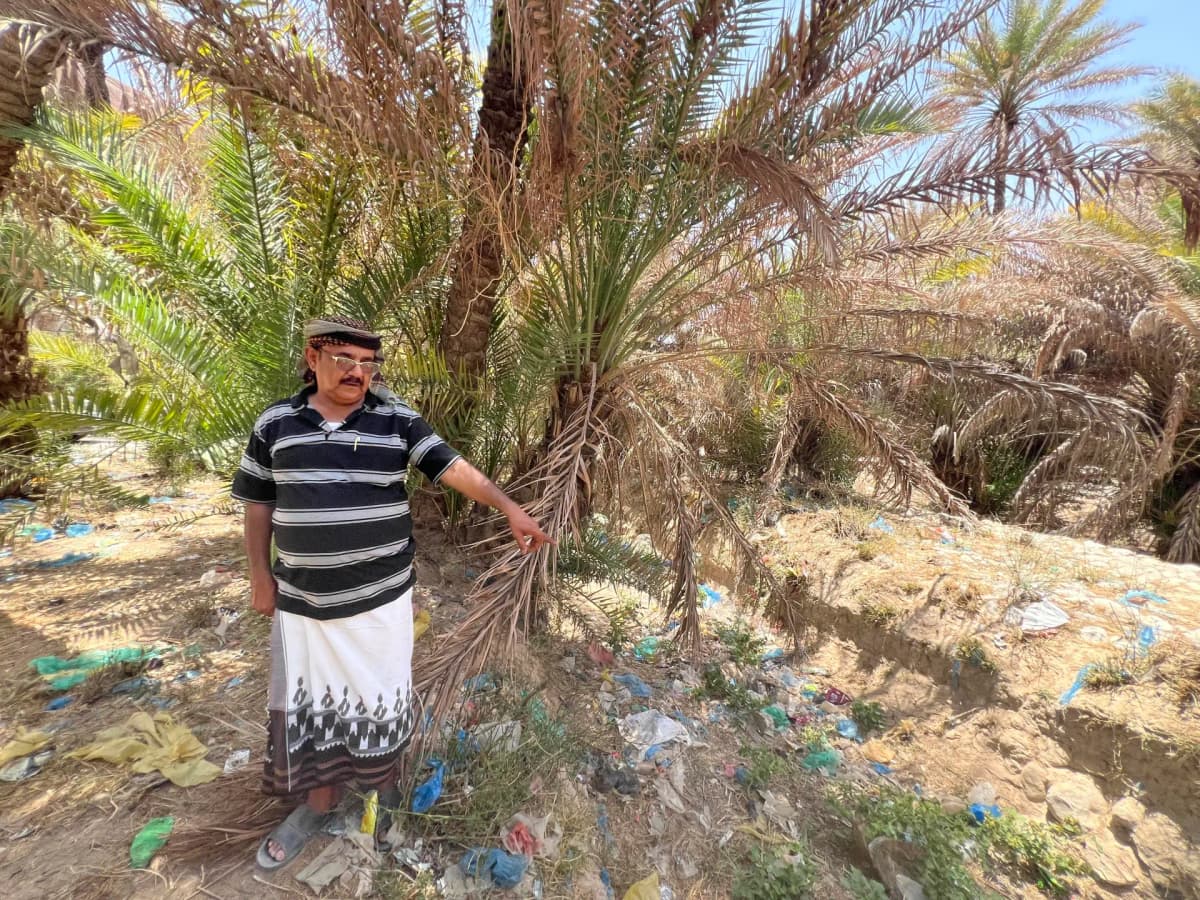
Wadi Dawan, a picturesque valley in Yemen, is grappling with an alarming increase in plastic waste that threatens its agricultural heritage and the health of its residents. From an aerial view, the valley appears serene, with date palms lining the landscape and mud-brick homes nestled against the cliffs. However, as one descends into the valley, a troubling scene unfolds: plastic debris is strewn across the flood channels, and the air is thick with the noxious smell of burning trash, raising concerns about pollution and public health. Local farmer Yousef Abdullah, 65, expressed his frustration over the situation, stating, “By God, this is a very serious problem. If it remains unresolved, it will cause a disaster.” Surrounded by discarded plastic bags and bottles, Yousef highlighted the dire consequences of this waste on the valley's irrigation systems, which are crucial for sustaining the region's agricultural output.
The issue of plastic waste in Wadi Dawan is exacerbated by the absence of an effective waste management system and a lack of public awareness regarding the environmental hazards posed by littering. Many areas within the valley lack designated waste collection points, and where they do exist, bins are often overflowing. Garbage trucks, which are supposed to service these bins weekly, frequently fail to do so due to insufficient funding and maintenance issues. Salem Raji, head of the Ministry of Agriculture’s office in Wadi Dawan, has initiated efforts to raise awareness about the growing waste problem. He has engaged with local officials and utilized social media to inform residents about the detrimental effects of waste disposal on the environment. Raji noted, “The agricultural sector is particularly affected by plastic waste, which contaminates the soil and leads to poor or even failed crop yields.” The consequences of this neglect are severe, with some farmers losing entire harvests due to blocked irrigation channels caused by accumulated waste.