







Understanding the Varied Start Dates of Shravan Across India
The sacred month of shravan, also known as sawan, holds immense significance in the hindu calendar, particularly for devotees who engage in the worship of lord
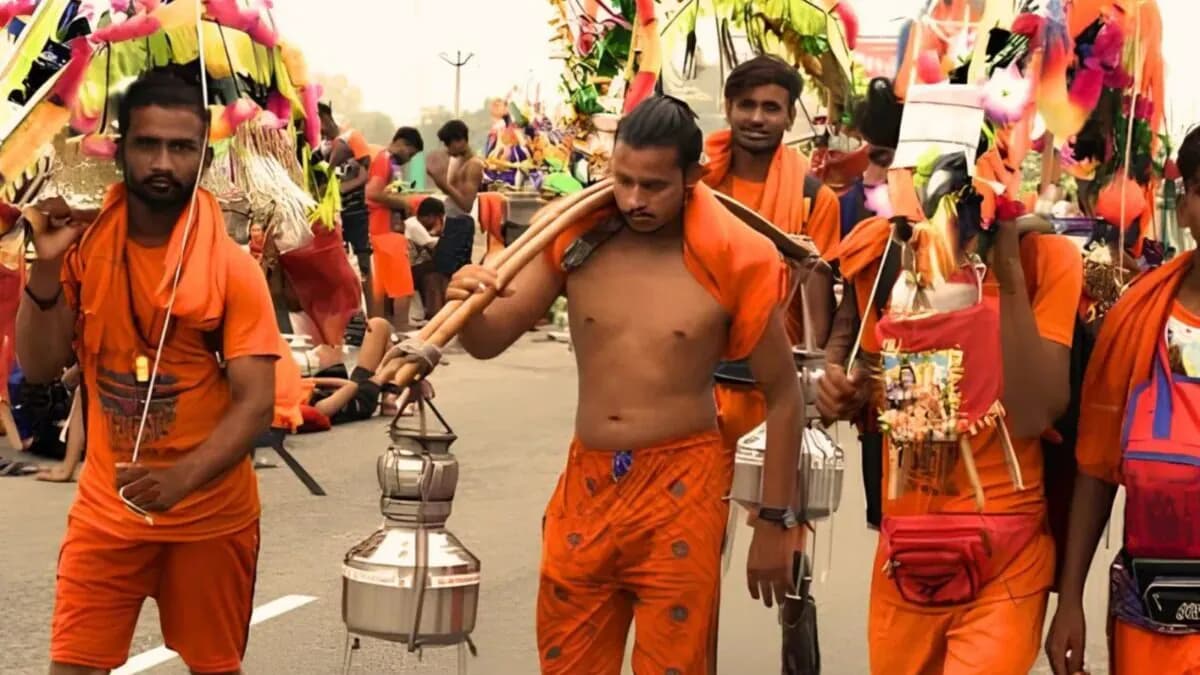
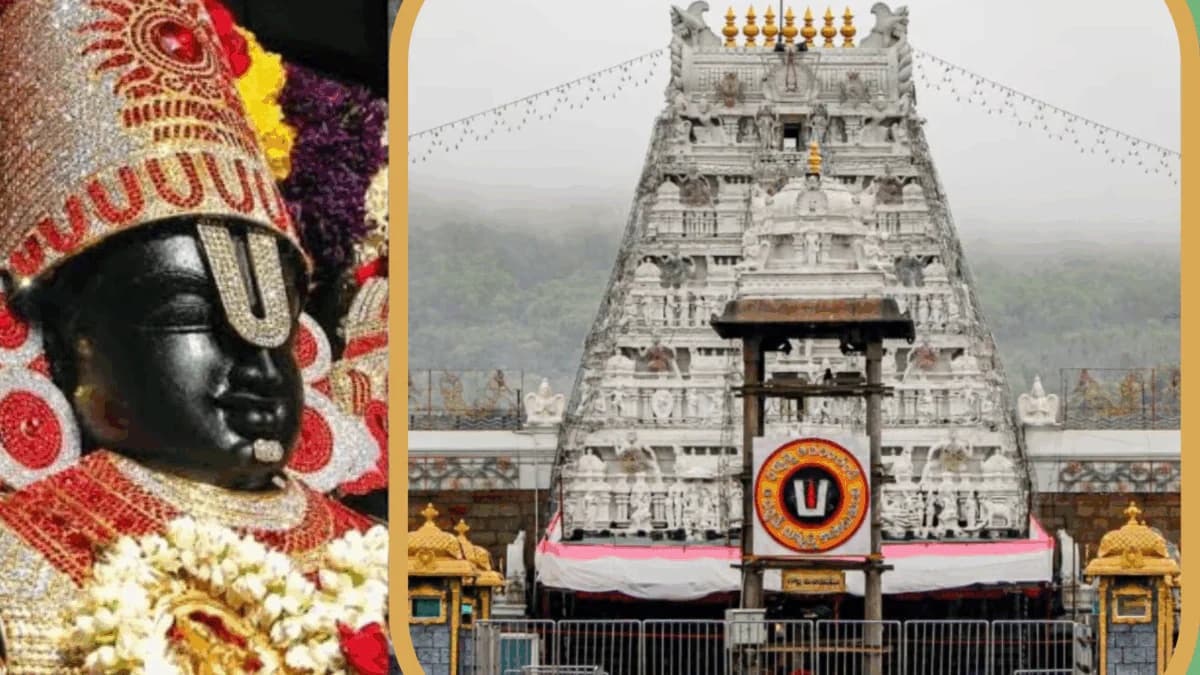
The sacred month of Shravan, also known as Sawan, holds immense significance in the Hindu calendar, particularly for devotees who engage in the worship of Lord Shiva. This month is characterized by various rituals and observances, yet many followers notice a peculiar phenomenon: Shravan begins on different dates depending on the region in India. This discrepancy is not due to differing customs or traditions, but rather the result of two distinct lunar calendar systems that dictate the commencement and conclusion of lunar months across the country.
In northern and central India, states like Uttar Pradesh, Delhi, and Rajasthan adhere to the Purnimanta calendar. This system marks the end of a lunar month on Purnima, or the Full Moon, with the subsequent month commencing the day following the full moon. Consequently, in these regions, Shravan begins immediately after the full moon of the preceding month. Conversely, in western and southern states such as Maharashtra, Karnataka, and Gujarat, the Amanta calendar is prevalent. This calendar defines the end of a lunar month on Amavasya, or the New Moon, with the new month starting the day after Amavasya. As a result, Shravan in these areas starts approximately 15 days later than in regions following the Purnimanta calendar.