








Dengue Virus Strains Spread Across Eight Indian States, ICMR Warns
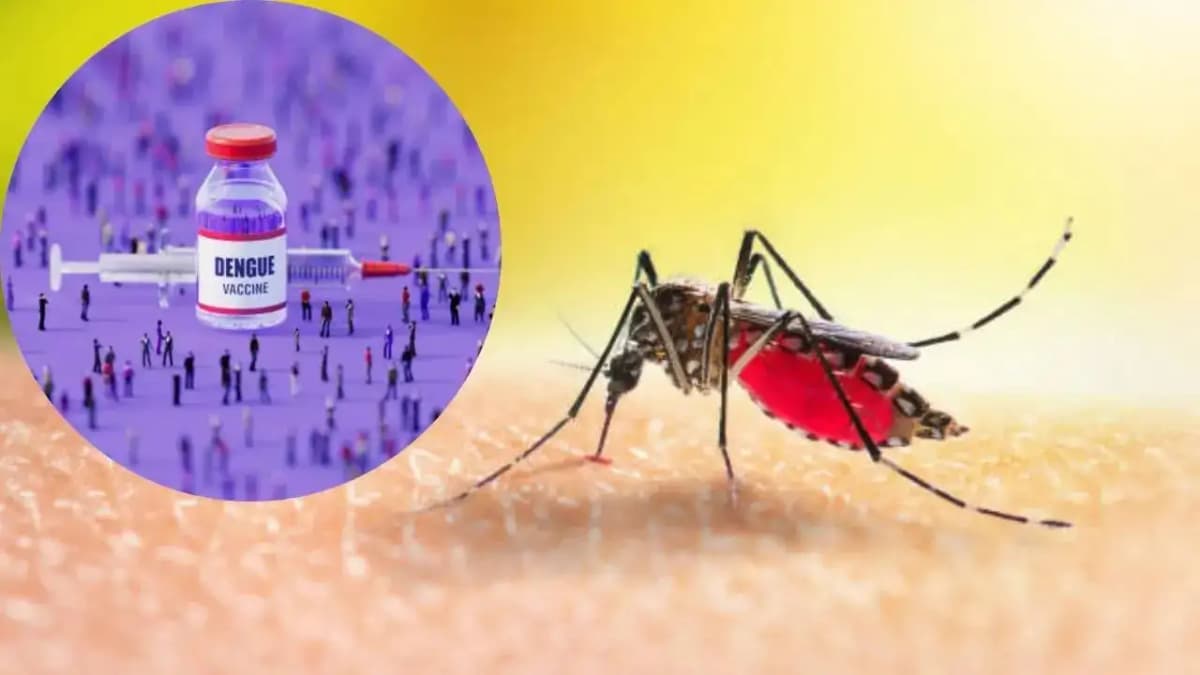
India is currently facing a significant challenge in its battle against dengue fever, as a recent study conducted by the indian council of medical research (icm
India is currently facing a significant challenge in its battle against dengue fever, as a recent study conducted by the Indian Council of Medical Research (ICMR) has revealed that all four known serotypes of the dengue virus are now circulating in eight states and Union Territories. This alarming finding comes at a time when the country is on the verge of introducing its first dengue vaccine, anticipated to be available by next year. The comprehensive research, carried out by the ICMR-National Institute of Virology (NIV) in Pune, underscores the urgent need for heightened awareness and preventive measures as the simultaneous presence of multiple strains raises the risk of severe dengue cases and complicates vaccination strategies. The study analyzed a total of 6,889 laboratory-confirmed dengue cases collected from 2023 to 2025 through a network of 45 Virus Research and Diagnostic Laboratories (VRDLs) across 25 states and Union Territories. The results indicated that every participating state and UT had at least two dengue serotypes in circulation, marking a concerning trend towards hyperendemicity of the disease throughout India. The eight states identified with all four dengue serotypes—DENV-1, DENV-2, DENV-3, and DENV-4—are Andhra Pradesh, Gujarat, Haryana, Madhya Pradesh, Maharashtra, Rajasthan, Tamil Nadu, and West Bengal. Meanwhile, an additional 15 states and Union Territories reported the presence of three serotypes, while the remaining two recorded two serotypes each. Notably, DENV-2 emerged as the most prevalent strain, accounting for 51% of all infections, followed by DENV-3 at 13%, DENV-1 at 7%, and DENV-4 at 1%. A concerning aspect of the study revealed that approximately 7% of patients were infected with multiple serotypes simultaneously, a condition known as concurrent infection, which can significantly increase the risk of severe dengue disease. Medical professionals have expressed concerns that such infections may lead to more severe health outcomes for affected individuals. As India prepares for the rollout of its dengue vaccine, which is currently in advanced development stages, experts emphasize the importance of understanding the circulating strains to ensure effective immunization strategies. The effectiveness of vaccines can vary against different serotypes, making it crucial to identify which strains are prevalent in specific regions. Continuous molecular surveillance is essential for health authorities to adapt their strategies effectively. The study also highlighted notable regional variations in the prevalence of different dengue serotypes. For instance, DENV-1 was responsible for nearly 38% of infections in Haryana, 29% in Tamil Nadu, and 25% in Rajasthan. Meanwhile, DENV-3 was more prevalent in Gujarat (30%), Tamil Nadu (29%), Uttar Pradesh (29%), and West Bengal (20%). These findings emphasize the necessity for ongoing surveillance, as the circulation of the dengue virus can differ significantly from one region to another. Until the vaccine becomes widely accessible, health experts recommend preventive measures such as eliminating stagnant water sources, using mosquito repellents containing DEET or picaridin, wearing long-sleeved clothing during the day, installing window screens, and sleeping under mosquito nets when necessary. Additionally, individuals are urged to seek medical attention promptly if they experience symptoms such as high fever, severe headaches, body aches, rashes, or persistent vomiting. The ICMR's comprehensive mapping of dengue strains across the nation reveals a troubling evolution in the landscape of dengue in India. With all four serotypes now circulating in various states and the potential for more severe illness linked to multiple-strain infections, the role of continuous surveillance will be pivotal in guiding vaccine distribution and enhancing dengue prevention efforts. As the country approaches the launch of its dengue vaccine, understanding the virus's evolution will be critical in reducing infection rates and ultimately saving lives.