







UNESCO Adds West Bank and Lebanon Sites to Endangered Heritage List
Unesco has officially designated several sites in the occupied west bank and lebanon as endangered world heritage sites, despite strong objections from israel.
UNESCO has officially designated several sites in the occupied West Bank and Lebanon as endangered World Heritage sites, despite strong objections from Israel. This decision was made during a committee vote held on Friday at a UNESCO meeting in Busan, South Korea. The committee employed an emergency procedure to place six locations on both the main World Heritage list and the endangered list simultaneously, citing the ongoing conflicts in the region as a significant factor. The sites included a notable archaeological location in the West Bank and five historic castles located in southern Lebanon, one of which was recently taken over by Israeli military forces. The approval from member states of the UN’s cultural agency came despite a concerted effort by Israel’s foreign ministry to prevent the listings from being ratified.
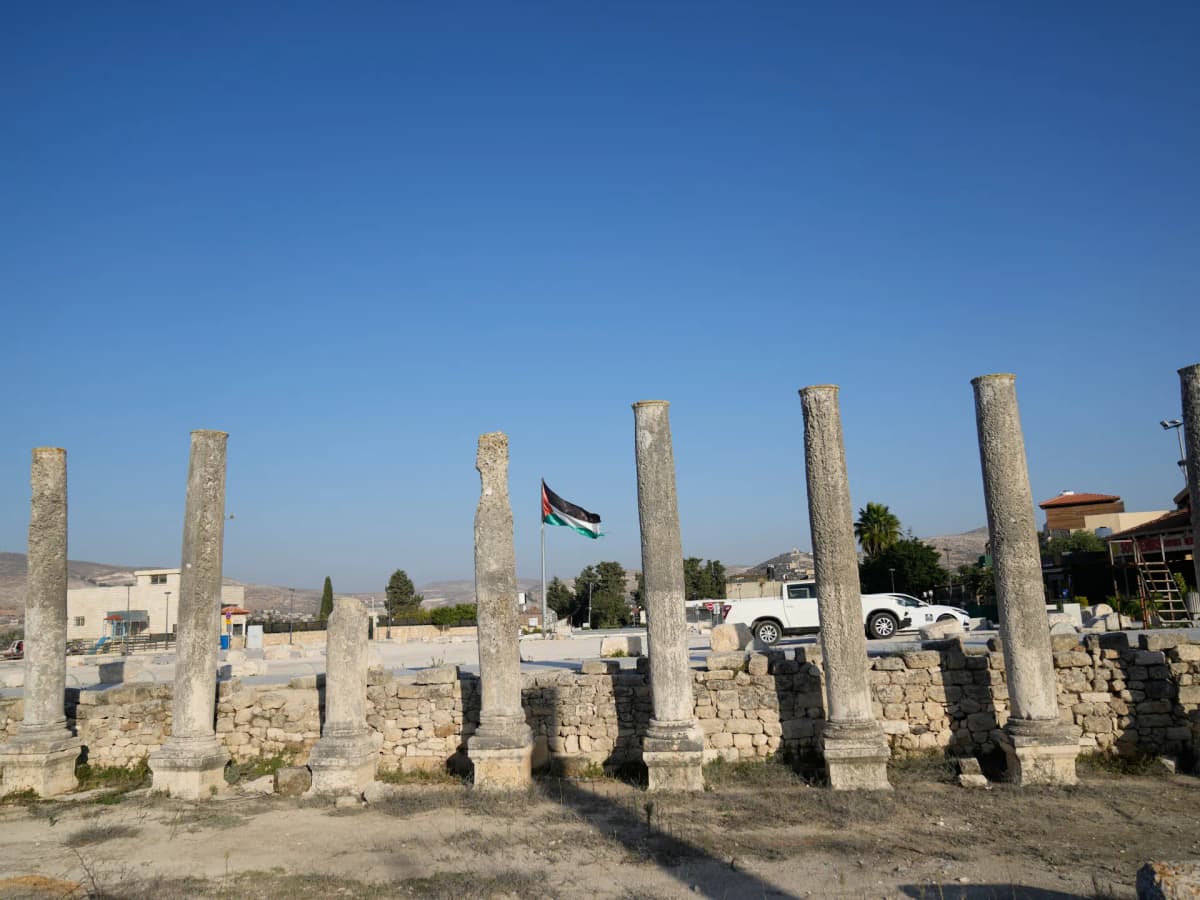
The West Bank site, known as Sebastia, is situated on a hilltop near the city of Nablus and is recognized by historians as the ancient city of Samaria, which served as the capital of the biblical Kingdom of Israel. The ruins at Sebastia date back to various historical periods, including the Iron Age, Roman, Byzantine, and Islamic eras. Both Christian and Islamic traditions hold that John the Baptist is interred at this site. Palestinian authorities first pursued the UNESCO listing in 2012, arguing that the site required protection as Israeli authorities were advancing plans to appropriate approximately 200 hectares (around 500 acres) of adjacent land for the establishment of a national park. This initiative would involve the construction of a fence, the imposition of entry fees, and the creation of a road that would be restricted for use by Israelis, effectively sidelining the Palestinian tourism industry that has developed around the ruins.