

Government and CJP Face Stalemate Amid NEET Protest Talks
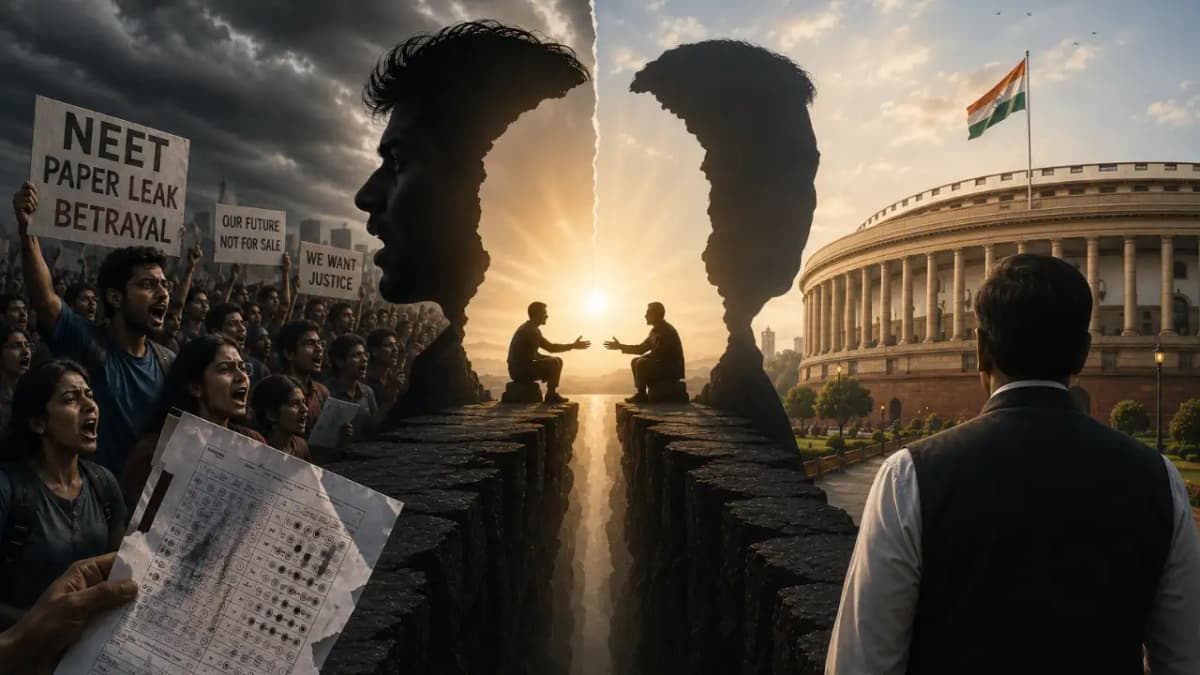
The ongoing agitation surrounding the neet paper leak has reached a critical juncture, with the protests continuing for thirty-four days and prompting the gover
The ongoing agitation surrounding the NEET paper leak has reached a critical juncture, with the protests continuing for thirty-four days and prompting the government to engage with the protesters. Union Minister Jitendra Singh announced on Thursday that four formal proposals for discussions had been sent to the CJP, allowing the protesters to select the venue. Singh emphasized that the government does not prioritize prestige in this matter, indicating that both he and Health Minister J P Nadda are willing to participate in the talks. However, the CJP has yet to accept this offer. CJP spokesperson Ashutosh Ranka expressed concerns about the government's reluctance to meet at Jantar Mantar, suggesting that the administration fears the backlash from the demonstrators present at the protest site. Ranka stated, “Now Union Minister Jitendra Singh is saying that the meeting can be held at Nadda ji's residence or office. Team CJP has rejected that proposal. If the government wants to talk, the meeting should be held either at Jantar Mantar or at any neutral place.” This exchange highlights a curious dynamic where both sides appear to agree on the venue, yet remain entrenched in their positions, resulting in a standoff that seems more about ego than principle.
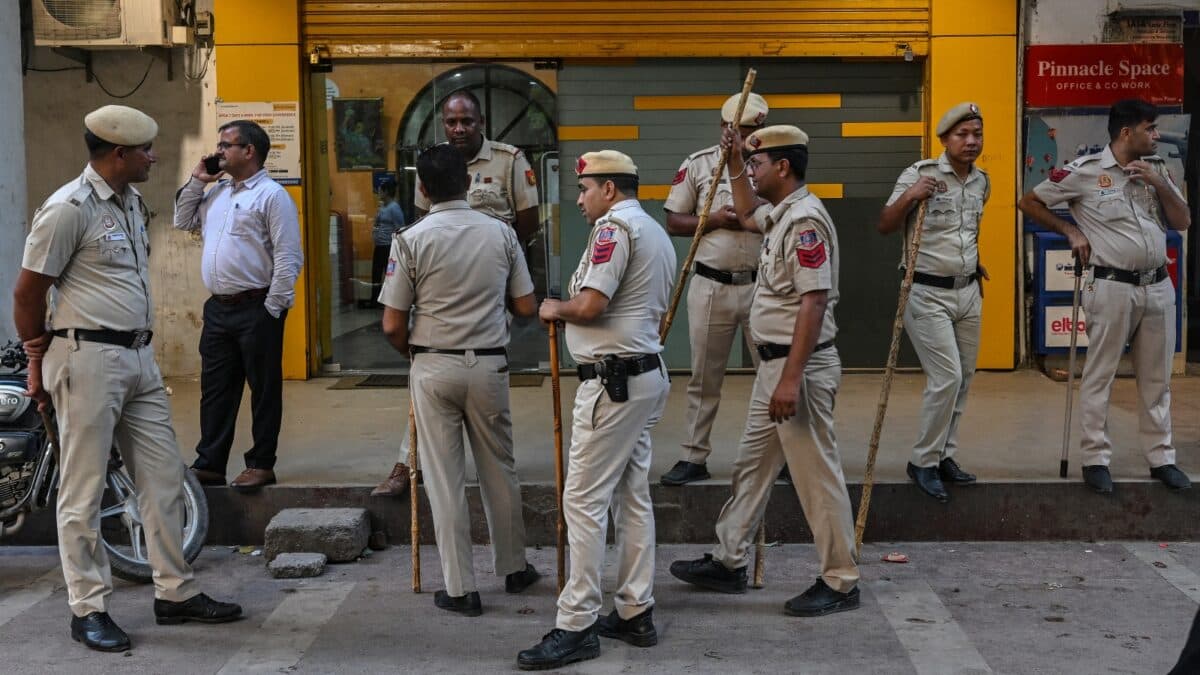
The underlying distrust between the two parties is palpable and stems from previous interactions. CJP founder Abhijeet Dipke recounted a prior meeting on July 20, where the group was left waiting for five hours, only to engage in a brief ten-minute conversation. He criticized the government's approach, stating, “Who does like that? It was a total wastage of time.” Dipke also pointed out the stark contrast between the meeting's invitation and the violent treatment of students during the protests. The Delhi High Court has intervened, demanding responses from the Centre and Delhi Police regarding petitions that claim over ninety students sustained injuries during the “Chalo Sansad” march. The court has ordered the preservation of CCTV footage and videography related to the events. Meanwhile, police have filed nine FIRs concerning rioting and other serious allegations, with both narratives now awaiting judicial resolution. Despite these tensions, the core demands of the movement remain unchanged: a thorough investigation into the alleged paper leak, accountability for those involved, and a transparent inquiry into the police actions on July 20.