









Nicobar Tribal Leaders Challenge Major Infrastructure Project Amid Local Concerns
On june 30, the tribal council representing the nicobarese communities of little nicobar and great nicobar submitted a formal request to union tribal affairs mi
On June 30, the Tribal Council representing the Nicobarese communities of Little Nicobar and Great Nicobar submitted a formal request to Union Tribal Affairs Minister Jual Oram, urging him to retract a government certificate issued in 2022. This certificate, which declared that forest rights on their ancestral lands were 'recognized and settled,' has been labeled as misleading by the council. They argue that it facilitated a massive infrastructure initiative worth Rs 81,000 crore, which threatens to destroy nearly one million trees in their traditional forests. The council's letter highlights the pressing need for attention to local issues, including the malfunctioning printer at the primary health center in Campbell Bay, where medical staff are forced to rely on photographs of X-rays and ECGs for patient diagnoses due to the lack of functional equipment.
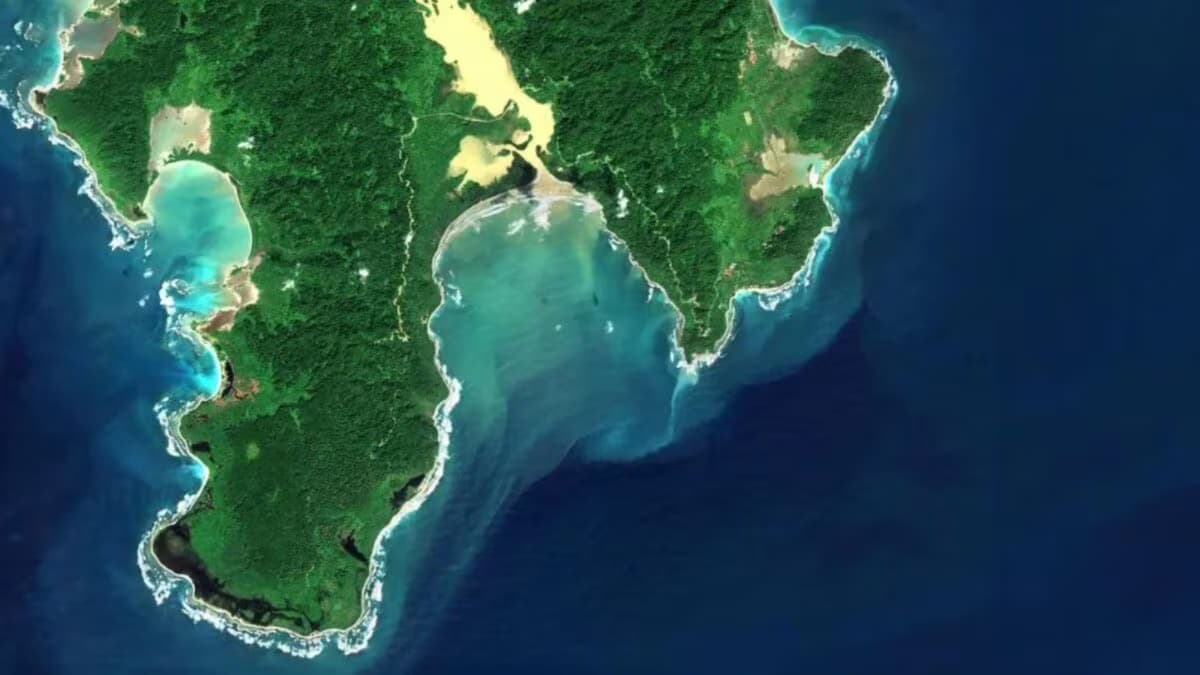
The ambitious Great Nicobar Island project encompasses an area of 166 square kilometers along the southern coastline and includes plans for a transshipment port, a civil and military airport, a township, and a substantial gas and solar power plant with a capacity of 450 MVA. However, approximately 130 square kilometers of this project area is situated on forest land, necessitating the removal of a significant number of trees. The Nicobarese, who inhabit the coastal regions, and the Shompen, a largely uncontacted group residing in the island's interior, are the two tribal communities that would be directly impacted by this extensive deforestation. The tribal council's contention revolves around a Recognition of Forest Rights (RoFR) certificate issued on August 18, 2022, by the Deputy Commissioner of Nicobar district, which they assert falsely claimed that forest rights over the affected land had been duly recognized and settled under the Forest Rights Act of 2006, a law designed to ensure that forest rights claims are resolved prior to any land diversion for development projects.