

Navigating the Fine Line Between Peaceful Protest and Unlawful Assembly
The welfare of the youth remains a paramount concern, as emphasized by prime minister narendra modi's recent announcement regarding the establishment of fast-tr
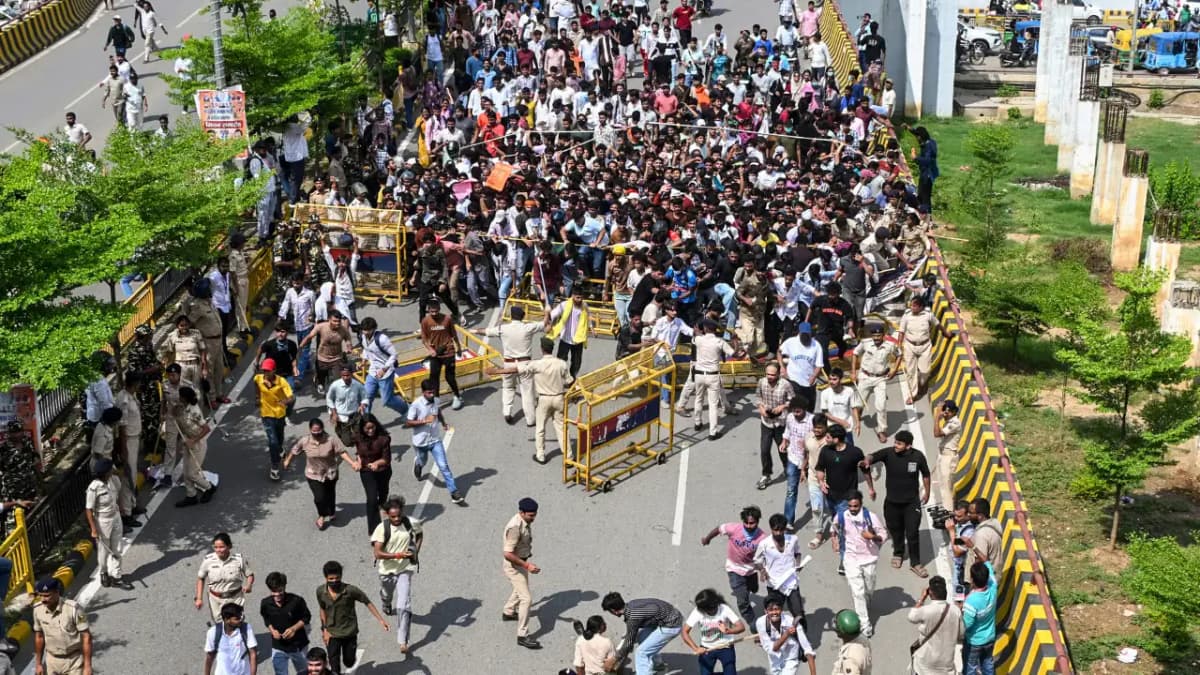
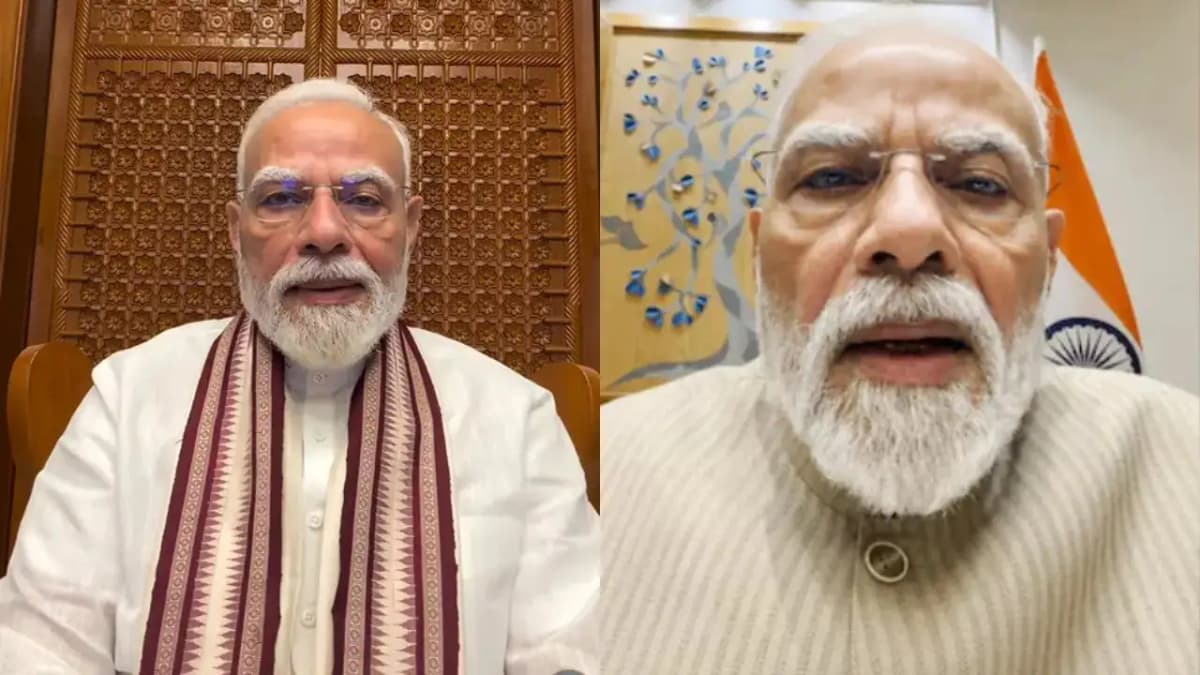
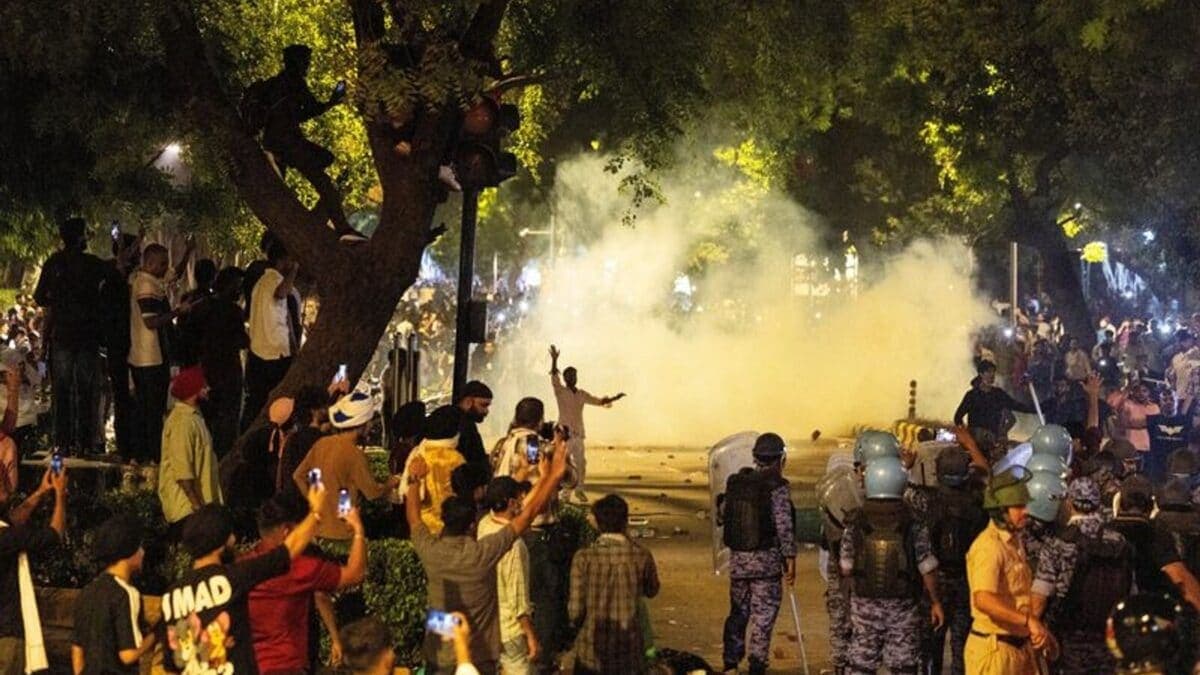
The welfare of the youth remains a paramount concern, as emphasized by Prime Minister Narendra Modi's recent announcement regarding the establishment of fast-track courts aimed at swiftly addressing cases of paper leaks. Modi's administration is committed to taking decisive actions to protect the interests of students, ensuring that those who jeopardize their future face stringent consequences. This initiative is part of a broader strategy to engage constructively with various stakeholders in education, contrasting sharply with the opposition's tactics, which some argue have co-opted peaceful protests to bolster their own political standing. The situation escalated recently when what began as a peaceful demonstration turned chaotic, with figures like Rahul Gandhi accused of exploiting the unrest for political gain. The protests, originally intended to voice legitimate grievances, devolved into disorder, with allegations of vandalism and violence, particularly involving individuals known for inciting unrest. The actions of these so-called 'Andolanjeevis' have drawn criticism for undermining the democratic process, as they advocate for confrontation over dialogue. The Indian Constitution guarantees the right to peaceful assembly and protest, enshrined in Article 19(1)(b) and (c). This fundamental right is essential for a functioning democracy, as it allows citizens to express dissent and hold authorities accountable. However, this right is not without limitations; the law delineates a clear boundary between lawful dissent and unlawful assembly. Under Article 19(3), free speech and assembly can be restricted to maintain public order and national integrity. An assembly becomes unlawful when it consists of five or more individuals with the intent to commit an offense, particularly if it turns violent. The recent protests at Jantar Mantar exemplify this delicate balance. Initially, the protests adhered to the guidelines set forth by law enforcement, allowing for a largely peaceful sit-in. However, the situation deteriorated significantly during the “Chalo Sansad” march, coinciding with the parliamentary monsoon session. Thousands attempted to breach police barricades, leading to violent confrontations that resulted in injuries to over 200 police personnel. Despite the chaos, the Delhi Police exhibited remarkable restraint in their response, filing FIRs against those responsible for rioting and vandalism. The escalation of violence, including stone-pelting and attacks on law enforcement, has raised critical questions about the nature of the protests and the responsibility of their organizers. The infiltration of the student-led movement by anti-social elements and opportunists has been noted, with many arguing that this shift has transformed the protests into a platform for chaos rather than constructive dialogue. The presence of organized aggression, as evidenced by video footage, suggests that the protests were no longer merely a spontaneous expression of student frustration but had devolved into a situation requiring legal intervention. This pattern of escalation mirrors previous protests in India, such as those at Shaheen Bagh, which similarly witnessed a shift from peaceful assembly to violent confrontation. The principle of rule of law must prevail; violence against law enforcement and public property cannot be justified as dissent. When protests cross the line into rioting, they lose their protection under the law, and organizers are held accountable for maintaining order. While large-scale demonstrations can effectively raise awareness, they also carry the risk of chaos and backlash. Sustainable solutions to issues like exam integrity are more likely to emerge through legal avenues and institutional reforms rather than through disruptive protests that risk public safety. The political landscape surrounding these protests has also been contentious, with figures like Rahul Gandhi facing criticism for their attempts to capitalize on student unrest for political gain. The internal strife within organizations like the CJP has further complicated the situation, leading to questions about their commitment to the welfare of students. As the protests continue, it is imperative for all involved to prioritize constructive dialogue and genuine advocacy for student issues over political maneuvering.